Phytosanitaries
Zinc nanoparticles and ozone eliminate postharvest anthracnose in mangoes
A combination of zinc oxide nanoparticles and ozone completely controls anthracnose in Nam Dok Mai Sithong mangoes while preserving fruit firmness quality and maintaining minimal residue levels
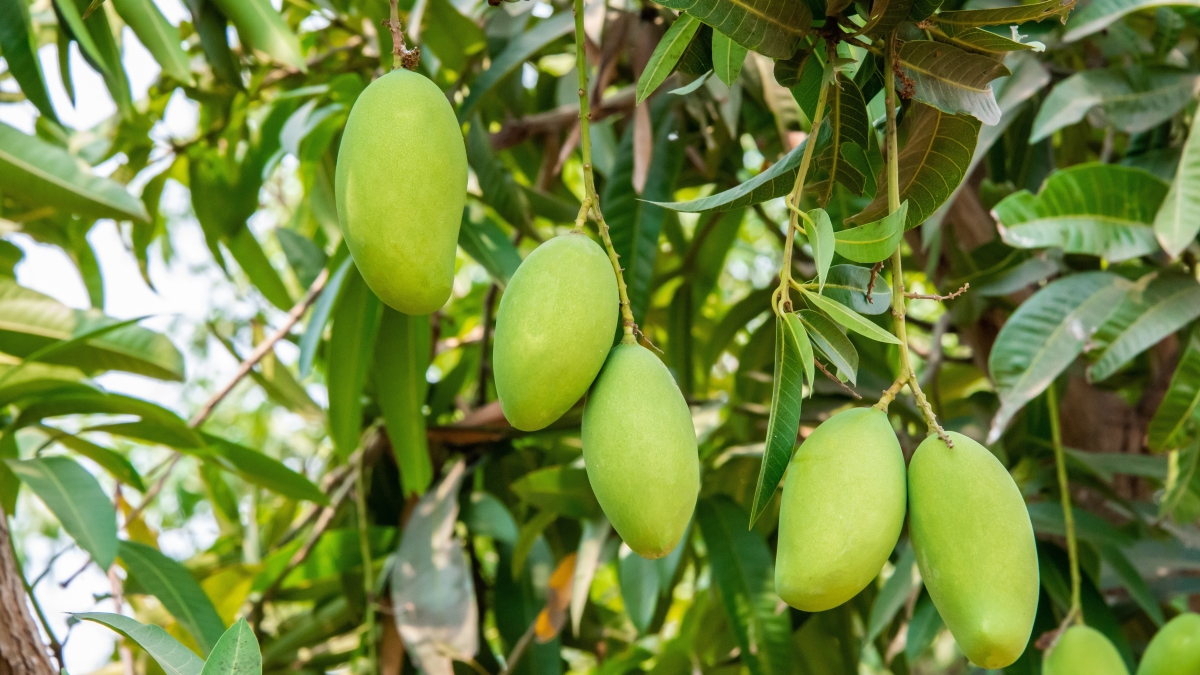
Integrated strategy improves anthracnose control in mangoes
Anthracnose, caused by Colletotrichum species, is one of the most important postharvest diseases affecting mangoes. Researchers have demonstrated that combining zinc oxide nanoparticles (ZnO) with ozone provides an effective and sustainable method for controlling the disease while maintaining fruit quality.
The study evaluated both treatments individually and in combination to develop an alternative to conventional fungicides.
Combined treatment delivers greater efficacy
Two different zinc oxide nanoparticle formulations were tested, with both showing significant inhibition of fungal growth. Ozone treatment at 40 mg/L completely prevented spore germination, although prolonged exposure caused slight lenticel damage.
A shorter 10-minute ozone treatment significantly reduced disease incidence without affecting fruit appearance.
Complete suppression of anthracnose
The sequential application of zinc oxide nanoparticles followed by ozone fumigation completely eliminated anthracnose, resulting in zero disease incidence and no lesion development on treated mangoes.
The combined treatment achieved 72.4% inhibition of Colletotrichum siamense colony growth, outperforming ozone alone and matching the effectiveness of zinc nanoparticles.
Fruit quality remains unaffected
Besides disease control, treated mangoes maintained firmness, higher soluble solids and excellent visual quality throughout storage.
Residue analysis also showed extremely low zinc concentrations, remaining within safe limits even at the highest application rates.
A sustainable postharvest alternative
Researchers conclude that combining zinc oxide nanoparticles with ozone offers an effective postharvest management strategy capable of replacing or reducing conventional fungicides while maintaining mango quality and ensuring food safety.
Source
Srikram, A., Jitareerat, P., Leesutthiphonchai, W., Piasai, O., Phadungkit, P., Umrung, S., & Khewkhom, N. (2026). Integrated Postharvest Management of Anthracnose in ‘Nam Dok Mai Sithong’ Mangoes with Zinc Oxide Nanoparticles and Ozone. The Horticulture Journal. https://www.jstage.jst.go.jp/article/hortj/advpub/0/advpub_SZD-108/_pdf