News
Bana+: Genetic Innovation for More Resilient and Sustainable Banana Crops
The Bana+ project focuses on developing banana varieties resistant to diseases like black sigatoka and fusarium. It combines breeding, genetic editing, and field trials to achieve more sustainable crops while reducing pesticide use and increasing crop diversity
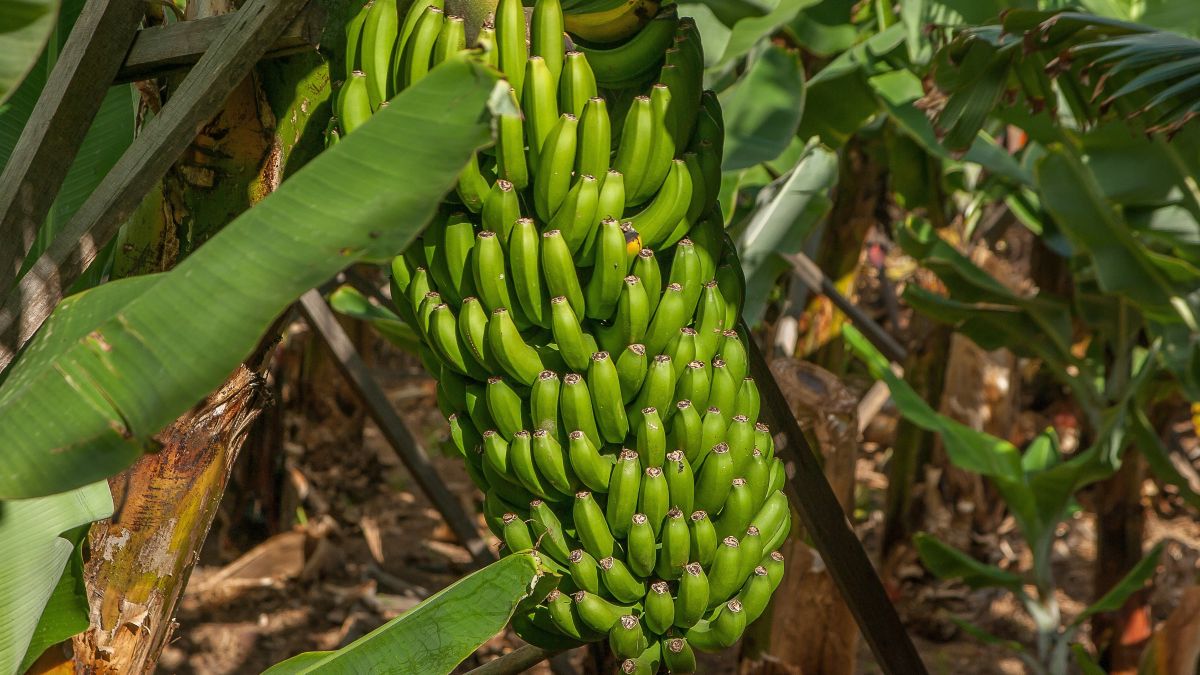
Banana cultivation currently faces major challenges that threaten its sustainability and productivity worldwide. Diseases such as black sigatoka and fusarium pose increasing risks to plantations across many regions. In response, the Bana+ project proposes an innovative strategy aimed at developing new banana varieties that are more resistant and better adapted to current agricultural needs.
Bana+ is an international collaborative initiative that brings together scientific and agricultural stakeholders to deliver practical solutions for banana producers, particularly in regions linked to French agriculture. The project combines genetic research, varietal improvement, and field trials to develop more resilient, diverse, and sustainable crops.
Its approach relies on integrating multiple scientific tools to expand the possibilities for creating new varieties. It is structured around three main research lines. The first focuses on conventional breeding through crossbreeding different banana varieties, enabling the selection of hybrids with desirable agronomic traits such as disease resistance and higher yields.
The second line involves genetic editing to enhance hybrid quality. Advances in biotechnology allow researchers to precisely modify specific genes to improve fruit quality, productivity, and tolerance to environmental stress.
The third line targets genetic editing of the Cavendish variety, one of the most widely cultivated bananas globally but highly susceptible to diseases. The goal is to develop more resistant versions against black sigatoka and fusarium using genomic techniques.
These strategies complement each other to create varieties that combine disease resistance, commercial quality, and adaptability to various growing conditions. The project also includes field trials in multiple locations to evaluate real-world performance and optimize cultivation systems.
Market testing is also conducted to assess consumer and distributor acceptance, which is essential for ensuring commercial viability.
Overall, Bana+ addresses key agricultural challenges, including reducing pesticide use, promoting agroecological practices, diversifying banana varieties, and anticipating future threats such as new fusarium strains and climate change.
It represents a clear example of how scientific research, technological innovation, and collaboration can drive a more resilient and sustainable agricultural model.
Source
Fruitrop. (2026). Bana+: innovation génétique pour l’avenir de la culture de la banane.
Bana+. (2026). Bana+ project.
.jpg)