
VDH Products
Measurements
Temperature, humidity and CO₂ control in fruit storage
Control systems help optimize preservation and extend product shelf life without compromising quality
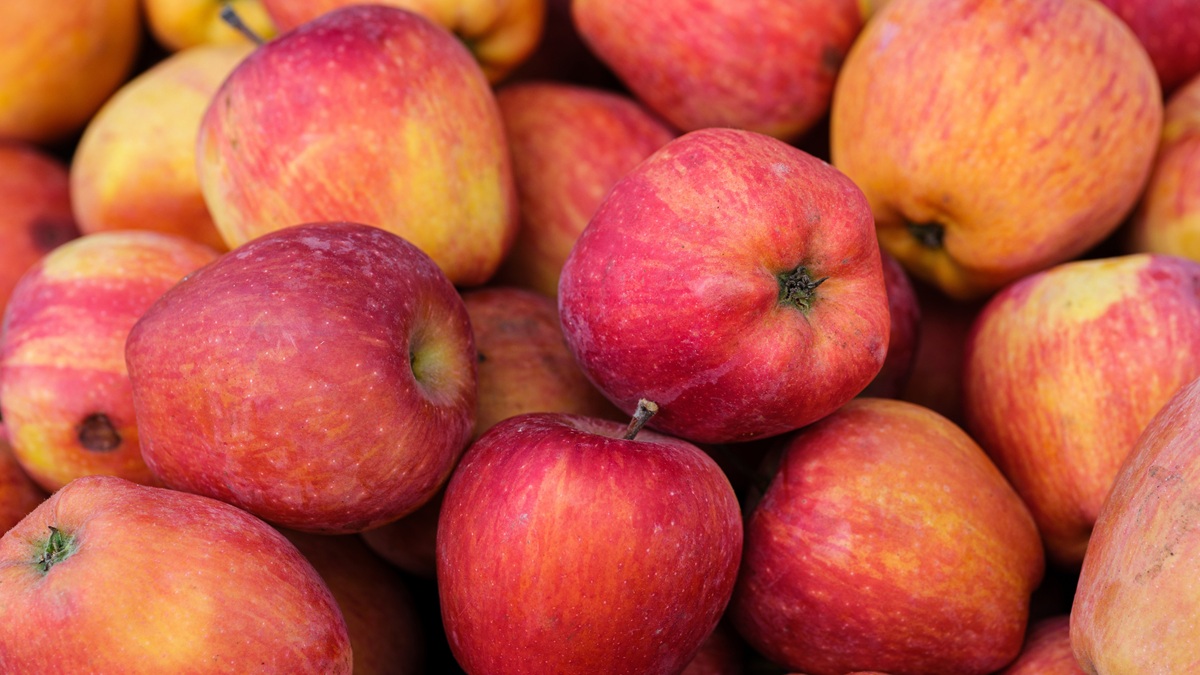
VDH Products develops measurement and control systems for fruit storage, in a context where precise environmental control is essential to maintain product quality over extended periods. Parameters such as temperature, relative humidity and CO₂ concentration directly influence the physiological evolution of fruit and its behavior during storage.
In long campaigns or with particularly sensitive products, small variations can lead to quality losses or reduced shelf life, making continuous and accurate control of storage room conditions necessary.
Integrated control in storage rooms
VDH solutions allow simultaneous management of key parameters such as temperature, humidity, ventilation, defrosting and CO₂ levels. This approach enables more efficient management, especially in facilities with multiple rooms and different requirements depending on product type or commercial destination.
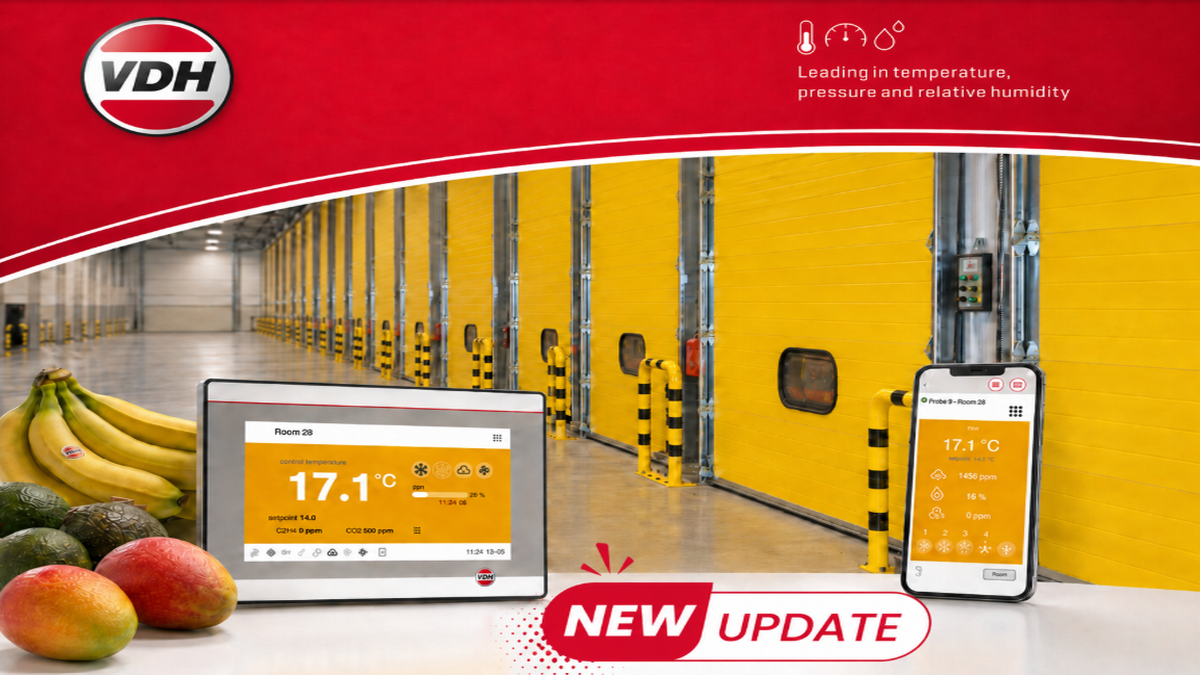
In this field, the MC3-Fruit and MC2-FC controllers are designed to adapt to different facility sizes. The MC3-Fruit model can manage several storage rooms from a single system, while the MC2-FC is aimed at more compact applications, maintaining a balance between functionality and ease of use.
The possibility of centralizing control or working with simpler solutions allows technology to be adapted to the reality of each operator.
Adaptation to changing conditions
One of the main challenges in fruit storage is variability. Conditions change between batches, seasons or destinations, and systems must be able to respond quickly.
Flexible programming makes it possible to configure different operating scenarios and adjust parameters according to product condition. In addition, the open architecture facilitates access to configuration settings without depending on third parties, providing greater autonomy in daily management. Sensor integration also enables continuous monitoring of room conditions, helping detect deviations and correct them before they affect the product.
Efficiency and process control
The use of low-consumption technologies and long-lasting components helps reduce energy and maintenance costs, factors that are increasingly relevant in postharvest facility management.
At the same time, process automation reduces manual intervention and improves condition stability, resulting in greater uniformity of stored product.
Maintaining control over every variable — temperature, humidity and CO₂ — makes it possible to extend storage periods without compromising quality, minimizing physiological disorders and preserving product characteristics until commercialization.
VDH Products