Conditioning
Blue light increases pungent compounds in postharvest pepper
The article “Blue light enhances capsaicinoids accumulation in postharvest pepper placenta”, by Hengshan Qin, Jingrong Zhang, Qiying Sun, Xinying Liu, Zheng Wang, Yaliang Xu and Qingming Li, analyses the effect of blue LED light on the accumulation of pungent compounds in pepper fruit after harvest
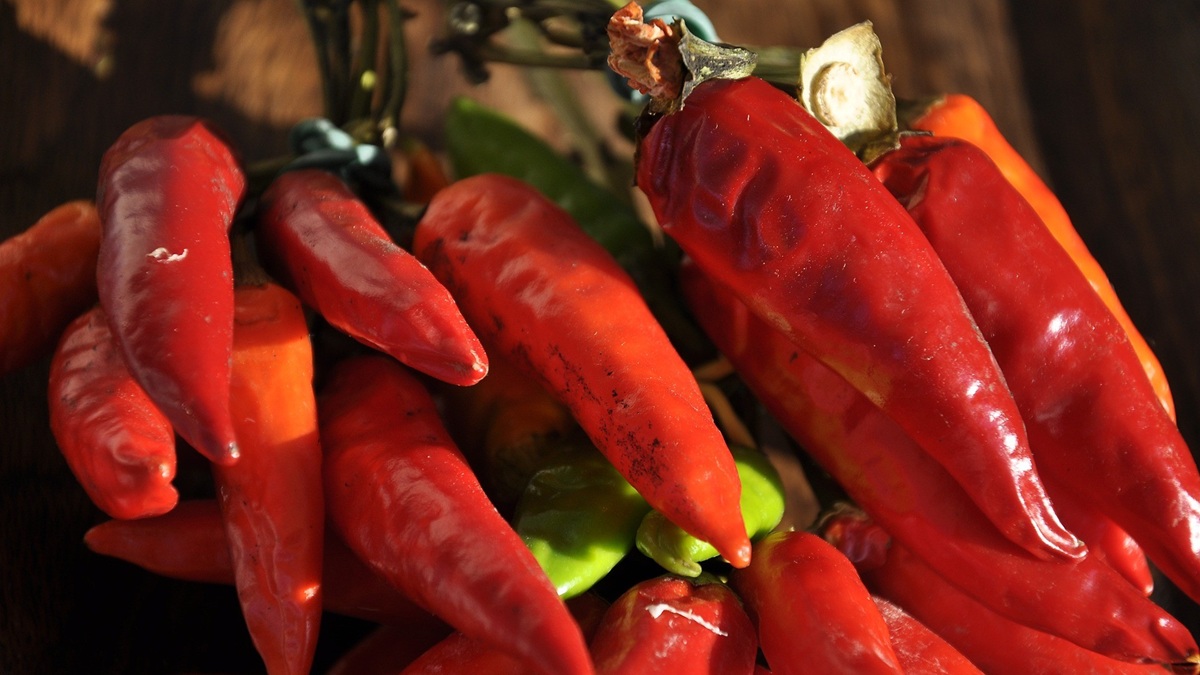
Physical postharvest treatments offer new possibilities to modulate fruit and vegetable quality without necessarily relying on chemical preservatives. Among them, blue LED light is attracting interest for its ability to influence the accumulation of bioactive compounds and the physiological response of stored produce.
In this context, the article “Blue light enhances capsaicinoids accumulation in postharvest pepper placenta”, published in Postharvest Biology and Technology, studies the effect of different light qualities on capsaicinoid accumulation in pepper (Capsicum annuum L.) during the postharvest stage. Capsaicinoids, including capsaicin and dihydrocapsaicin, are responsible for pepper pungency and are of interest for food, industrial and clinical applications.
Blue light, the most effective light quality
The study compared fruit kept in darkness with fruit exposed to white, red, blue, green and far-red LED light for 48 hours. The results show that blue light was the most effective light quality for promoting capsaicinoid accumulation in the fruit placenta.
After 48 hours of blue light exposure, capsaicin, dihydrocapsaicin and total capsaicinoid contents increased by 35.4%, 39.3% and 36.8%, respectively, compared with the initial control. In addition, capsaicin and dihydrocapsaicin accumulation peaked after 24 hours of treatment.
Interest for postharvest preservation and quality
The authors indicate that these findings support the potential use of blue LED light in postharvest preservation, protected cultivation and industrial pepper breeding. This type of technology could help increase bioactive compounds associated with pungency and the functional value of the fruit.
Beyond its effect on capsaicinoid concentration, the study analyses the molecular response of pepper fruit. Blue light may enhance this accumulation through changes in PAL and BCAT enzyme activities and in the expression of genes related to capsaicinoid biosynthesis.
Candidate genes involved
Transcriptome analysis identified several candidate genes that may be involved in blue light-induced capsaicinoid biosynthesis, including CaPIF4, CaERF12 and CaWRKY6. According to the authors, these genes may respond directly or indirectly to blue light and regulate the synthesis of these compounds, although the underlying mechanisms require further investigation.
Overall, the study reinforces the interest of LED technologies as postharvest management tools to regulate quality attributes in horticultural products. In pepper, blue light emerges as a physical strategy with potential to improve compounds of commercial, functional and industrial interest.
Source
Hengshan Qin, Jingrong Zhang, Qiying Sun, Xinying Liu, Zheng Wang, Yaliang Xu, Qingming Li, Blue light enhances capsaicinoids accumulation in postharvest pepper placenta, Postharvest Biology and Technology, Volume 239, 2026, 114404, ISSN 0925-5214, https://doi.org/10.1016/j.postharvbio.2026.114404.