Conditioning
From genomics to retail: Iberian researchers decode the keys to smart postharvest in Portugal
The Iberian #POST26 symposium in Faro presented the science of the future to help reduce fruit waste
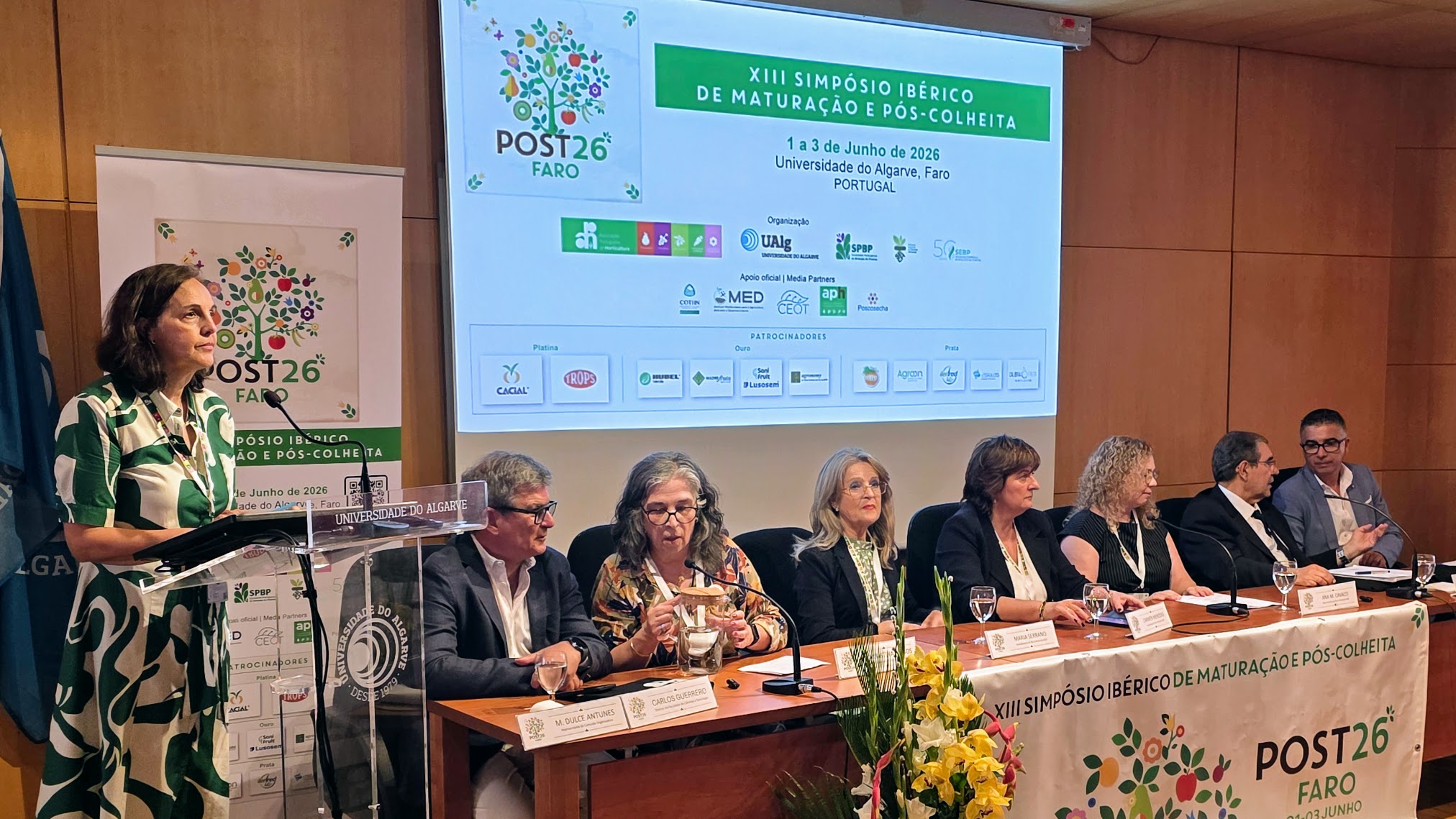

Artificial intelligence and biodegradable coatings are among the new resources in modern postharvest technology presented at #POST26.
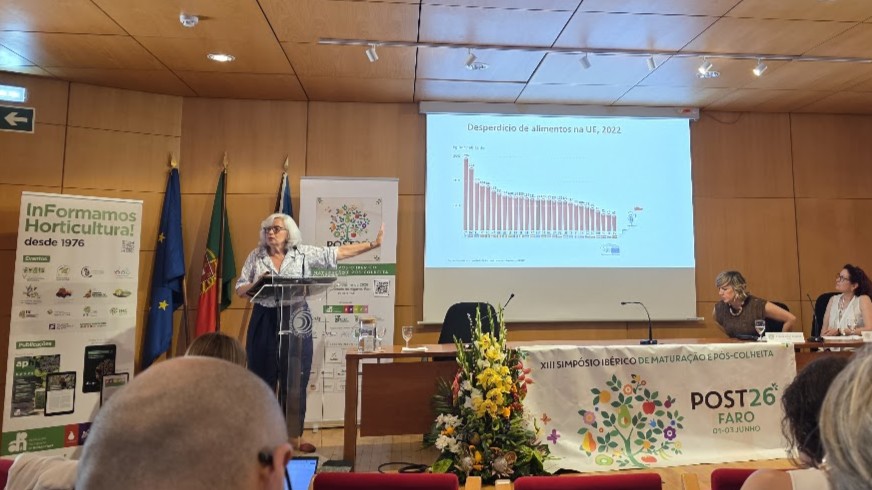
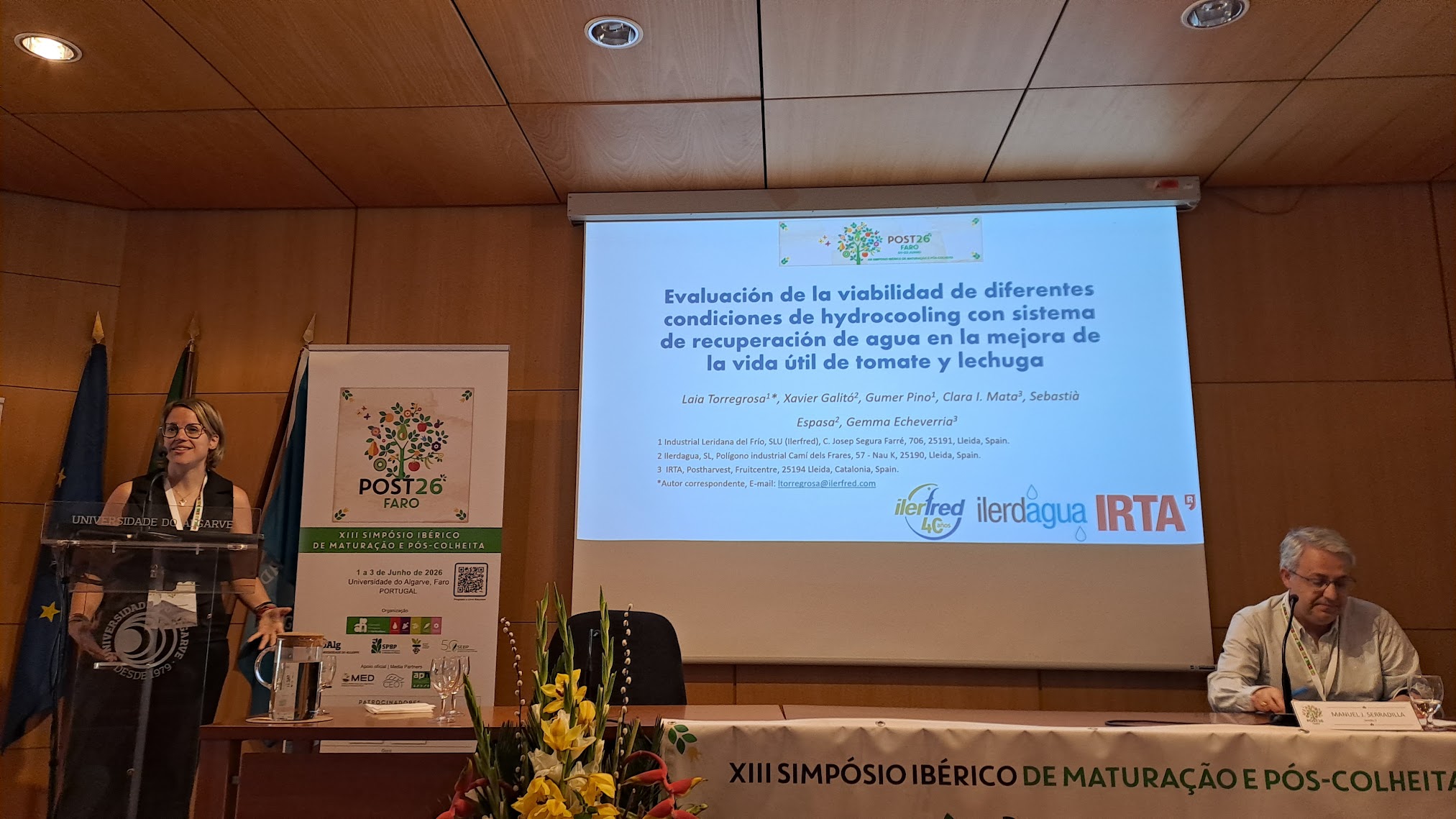
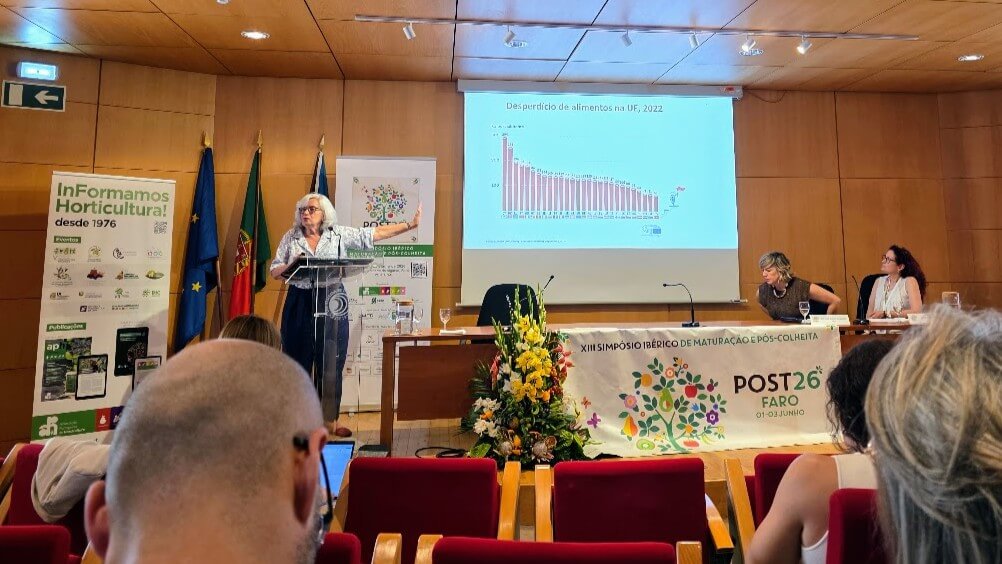
The #POST26 XIII Iberian Symposium on Ripening and Postharvest, held at the University of Algarve in Faro, Portugal, in early June 2026, became a hub for cutting-edge science aimed at mitigating one of the major problems in the supply chain: food waste. According to FAO estimates cited during the event, losses can reach 25% of fruits and vegetables from field to table.
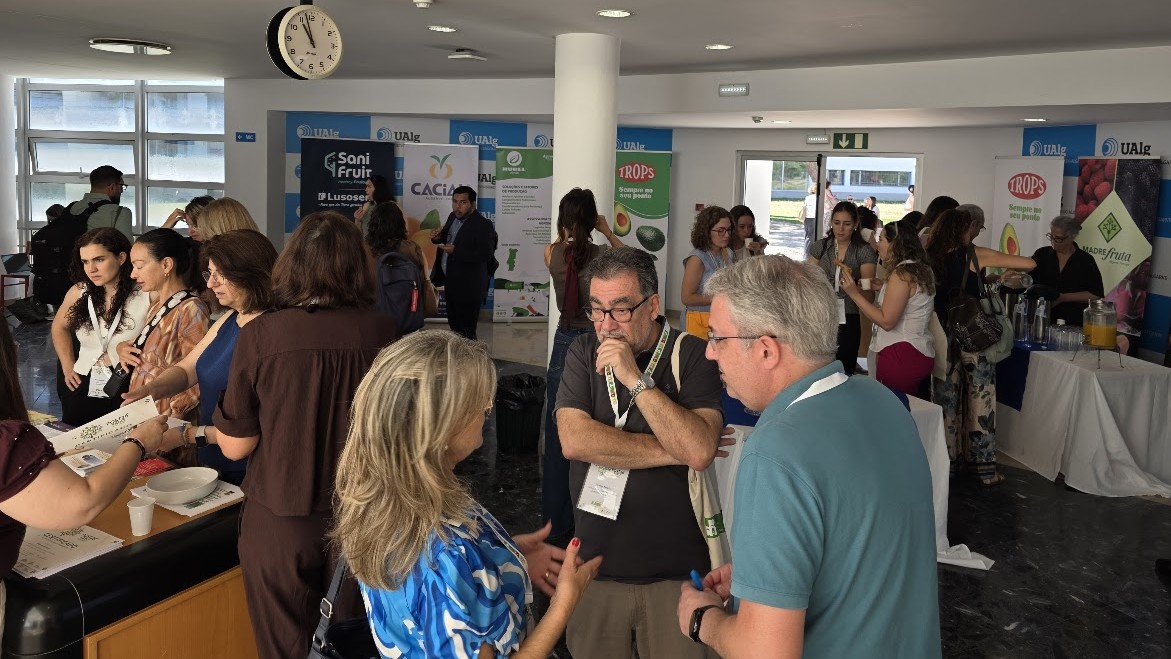
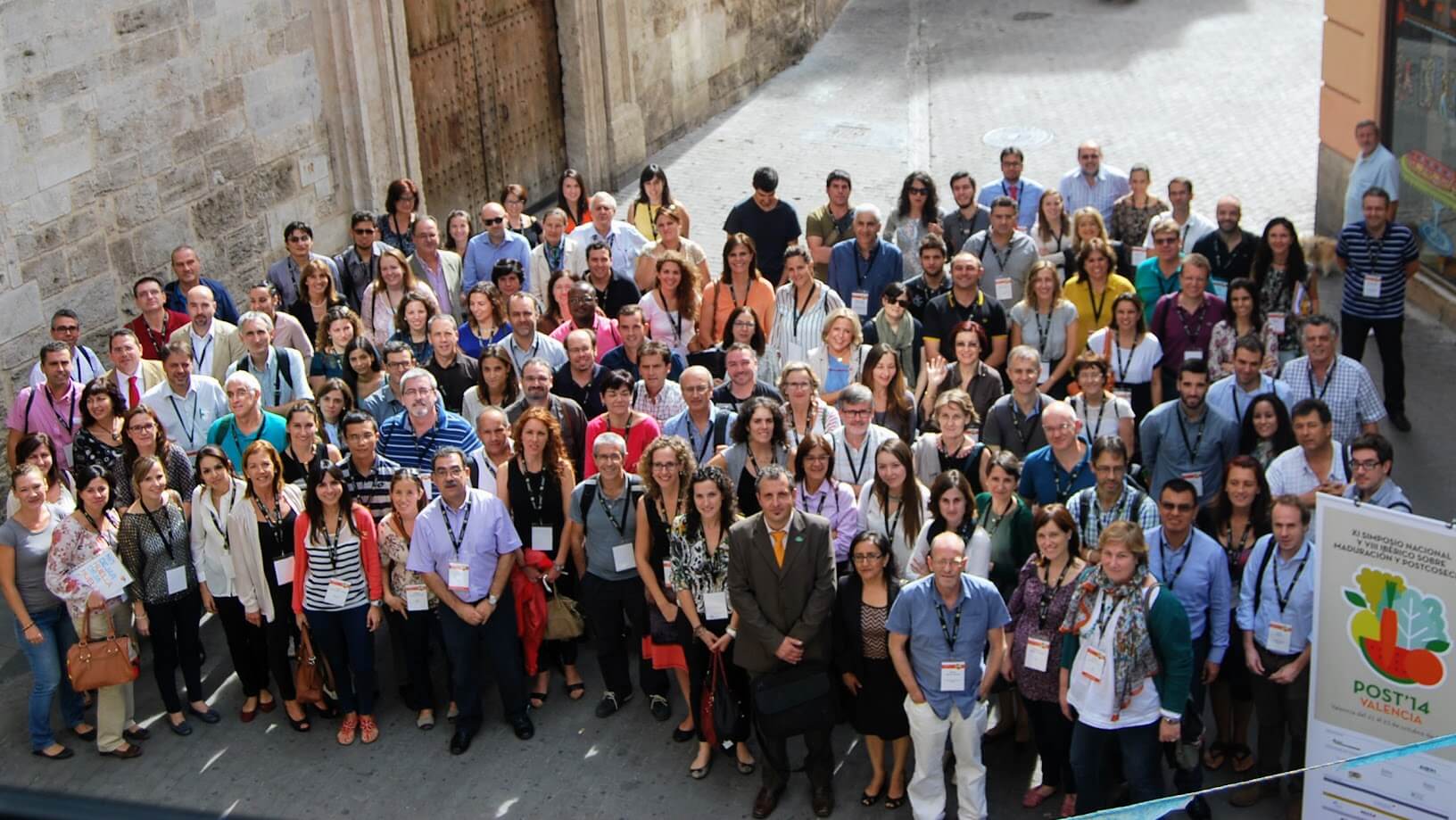
The symposium was jointly organised by the Portuguese Horticultural Association (APH) and the Spanish Society for Horticultural Sciences (SECH), together with their counterparts in plant biology. The event brought together more than 100 researchers and specialists from Spain, Portugal and Latin America, according to the Portuguese online newspaper Região Sul.
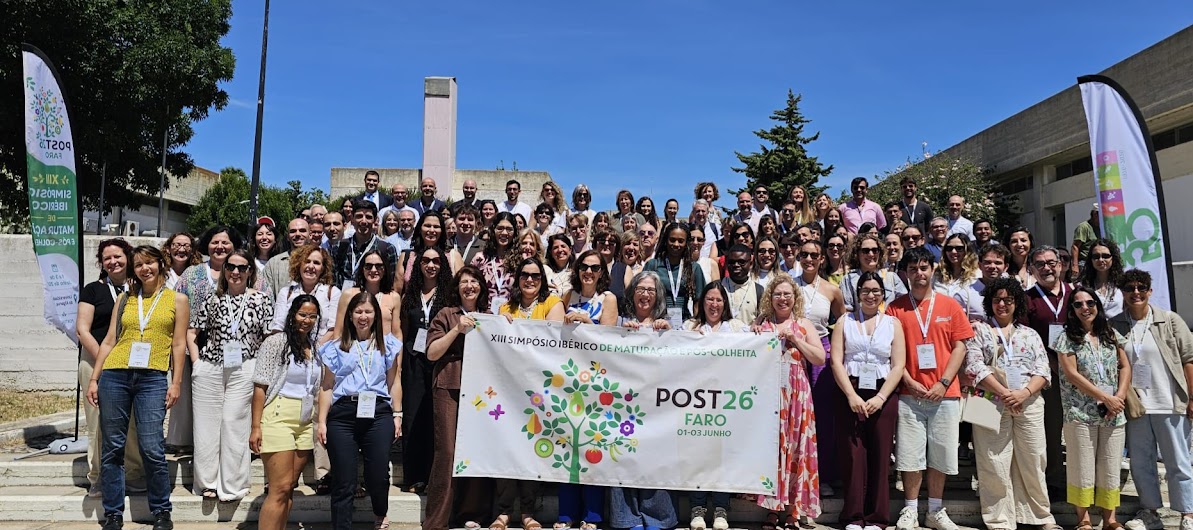
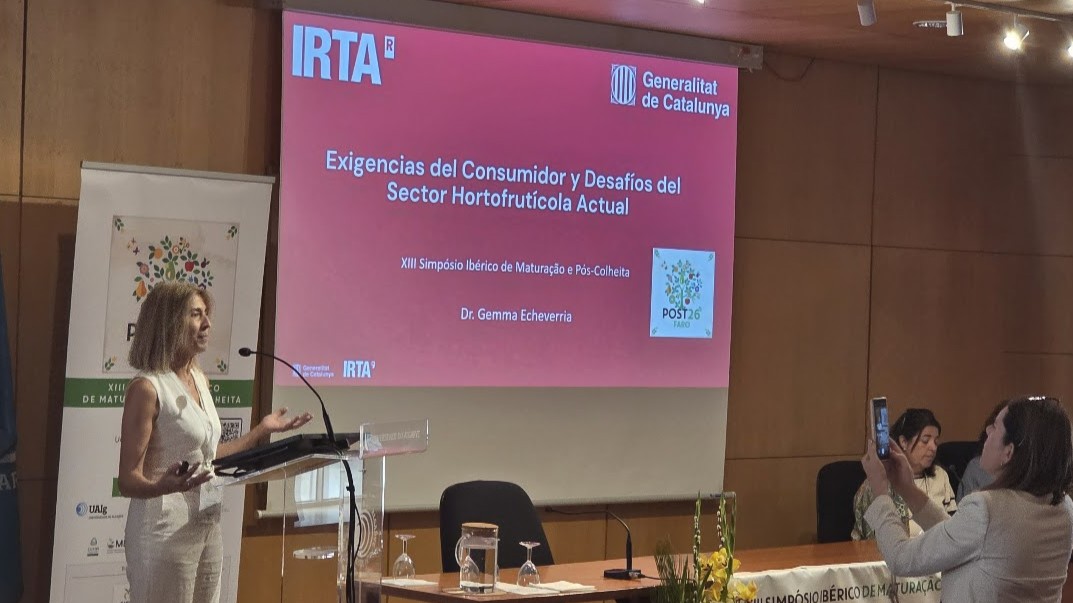
Consumers want fruit that is perfect, tasty, ripe and ready to eat, affordable, in some cases with an organic label, with no water footprint and in eco-friendly packaging, highlighted Gemma Echeverría during the congress. These are some of the challenges currently being addressed by experts in postharvest technologies.
The zucchini genome and commercial quality
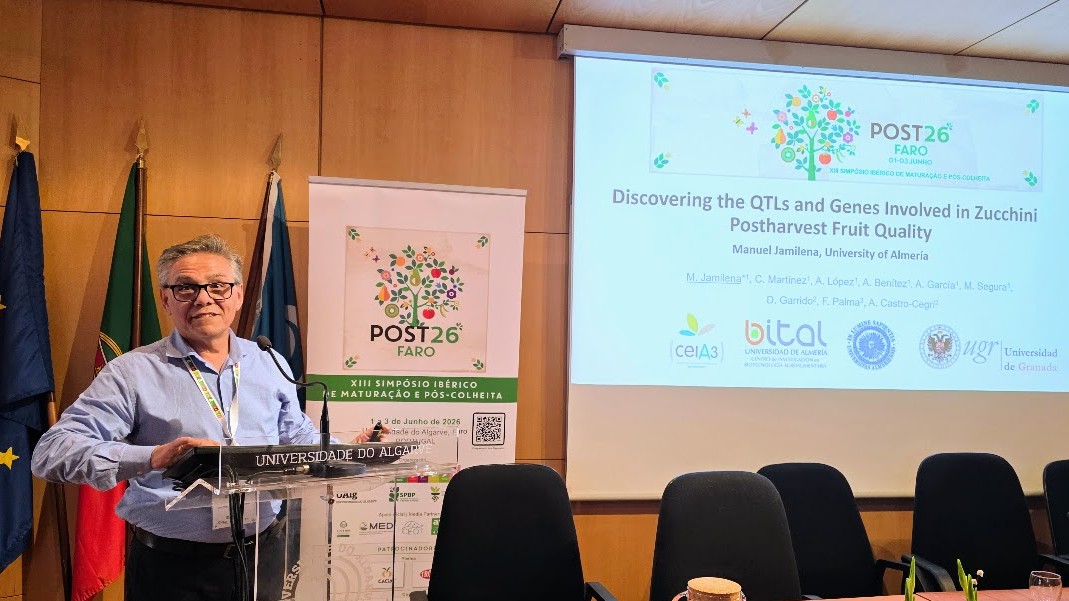
One of the invited plenary lectures in the opening session focused on the biology and physiology of ripening, with Manuel Jamilena Quesada, researcher at the CIAIMBITAL centre of the University of Almería.
Jamilena presented advances in breeding and genomics aimed at identifying the regions of plant DNA that regulate the ability of zucchini to maintain firmness, texture and colour after harvest. This is critical for producers, as it can support the selection of varieties better suited to long refrigerated logistics routes to northern Europe without losing commercial appeal.
His presentation was titled "Discovering the QTLs and genes involved in the postharvest quality of zucchini (Cucurbita pepo)".
Jamilena, professor at the University of Almería, also highlighted the 30,000 hectares of plastic greenhouses in the region, the largest concentrated area of intensive horticulture in Europe. He also referred to Almería as a major hub for horticultural technology companies, including agricultural plastics, automatic fertigation equipment, pollinator units and the development of new vegetable varieties by leading international seed companies.
Non-invasive technologies and AI
One of the major innovation blocks of #POST26 focused on how to assess fruit quality without damaging the product, using advanced algorithms.
Early detection and smart monitoring in postharvest are increasingly supported by applied artificial intelligence and computer vision systems that analyse fruit condition in real time inside packinghouses or cold rooms.
The industrial objective of these tools is to identify, invisibly and at an early stage, physiological disorders or fungal infections before they become perceptible to the human eye. This allows affected batches to be separated in time and helps optimise marketing windows before products deteriorate at supermarket level.
Gas treatments and redox regulation
Environmental control in controlled atmospheres was another notable area of knowledge addressed at the Faro symposium, particularly through the use of gases to extend the shelf life of fruits and vegetables.
Researchers from CSIC and Spanish universities presented studies such as short treatments with high CO₂ concentrations in blueberries.
The team, including researchers such as Toledo-Guerrero, Romero, Merodio and Sánchez-Ballesta, showed how these gas pulses modulate redox metabolism and gene expression related to plant stress hormones such as ethylene and abscisic acid (ABA), effectively slowing down berry ageing. Trade operators and consumers increasingly demand "fresh for longer" products.
The concept of "fresh for longer" refers to the set of postharvest technologies, treatments and strategies specifically designed to extend the commercial shelf life of fresh fruits and vegetables while reducing food waste and maintaining their organoleptic and nutritional properties, as defined by EIT Food.
The aim of "fresh for longer" postharvest solutions is to slow down the biological clock of these foods after harvest, so that they reach consumers in a fresher condition.
According to experts from Poscosecha.com, the four major "fresh for longer" technologies are edible and bio-based coatings, ethylene blockers and absorbers, smart and active packaging, and lighting and photoperiod simulation in retail.
Edible coatings and circular economy
In line with European regulations against single-use plastics, ecological coatings and the valorisation of waste occupied a significant part of the debate at #POST26.
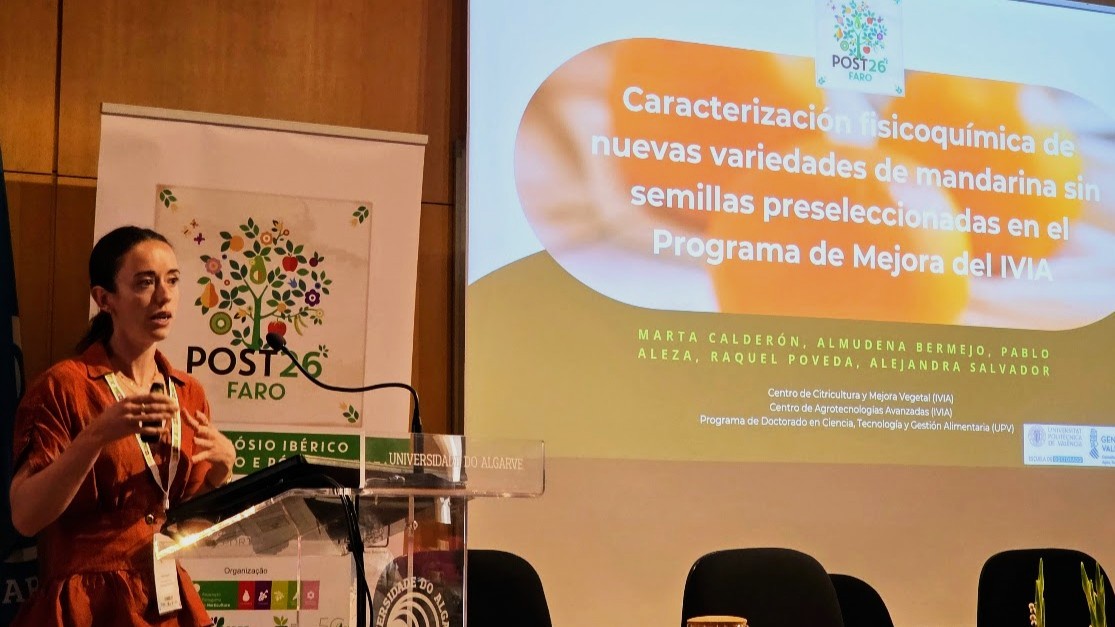
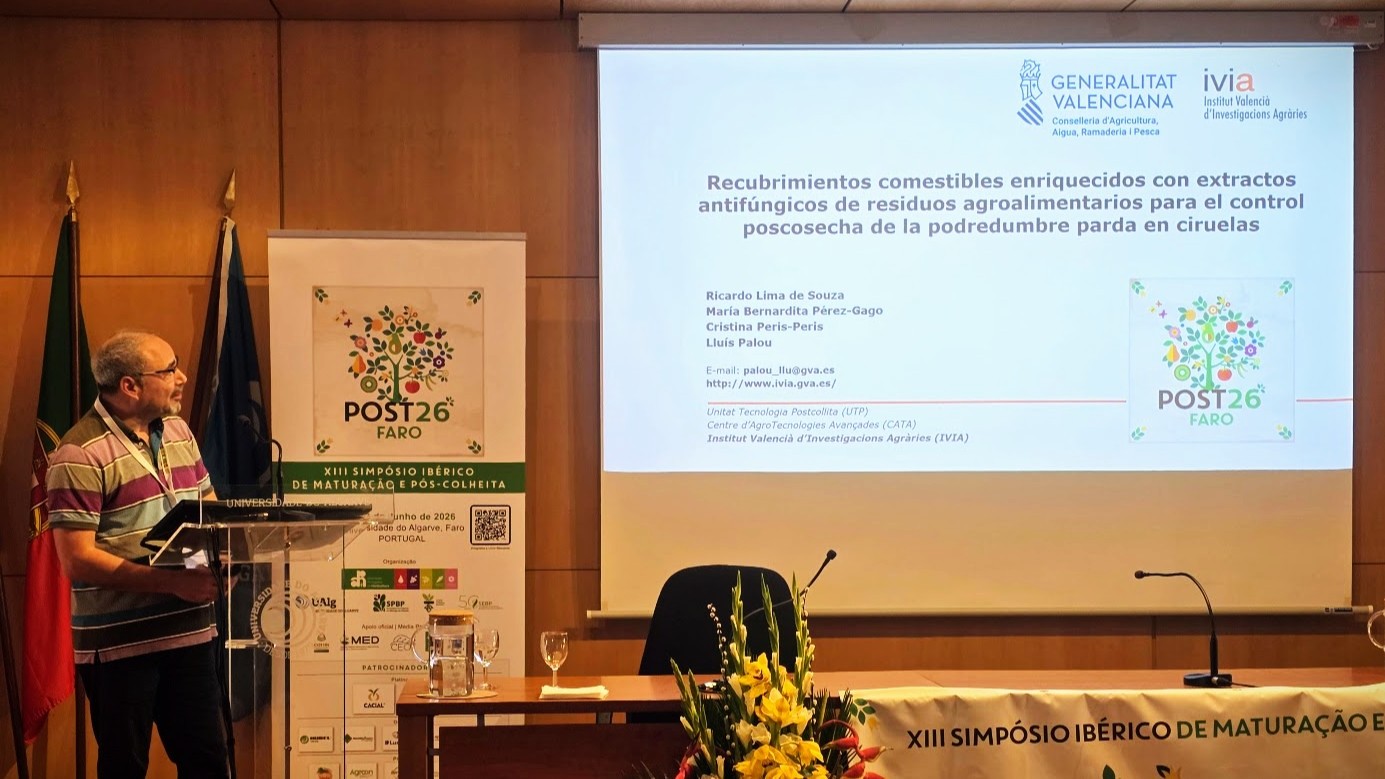
Scientists from both APH and SECH presented results from the application of commercial and bio-based coatings on high-turnover, high-value fruits such as "Hass" avocado, analysed by the IVIA team, among others, during cold storage.
These films act as an invisible second skin that reduces dehydration and slows down accelerated ripening, gaining key days of commercial shelf life on retail shelves without adding artificial plastic packaging.
For more information on edible coatings, the hashtag #EdibleCoatings can be used to search related content on Postharvest.biz.