Conditioning
Innovation expands dragon fruit’s agricultural potential
A review brings together progress in cultivation, nutritional quality, preservation and by-product use, while identifying barriers to wider commercial adoption
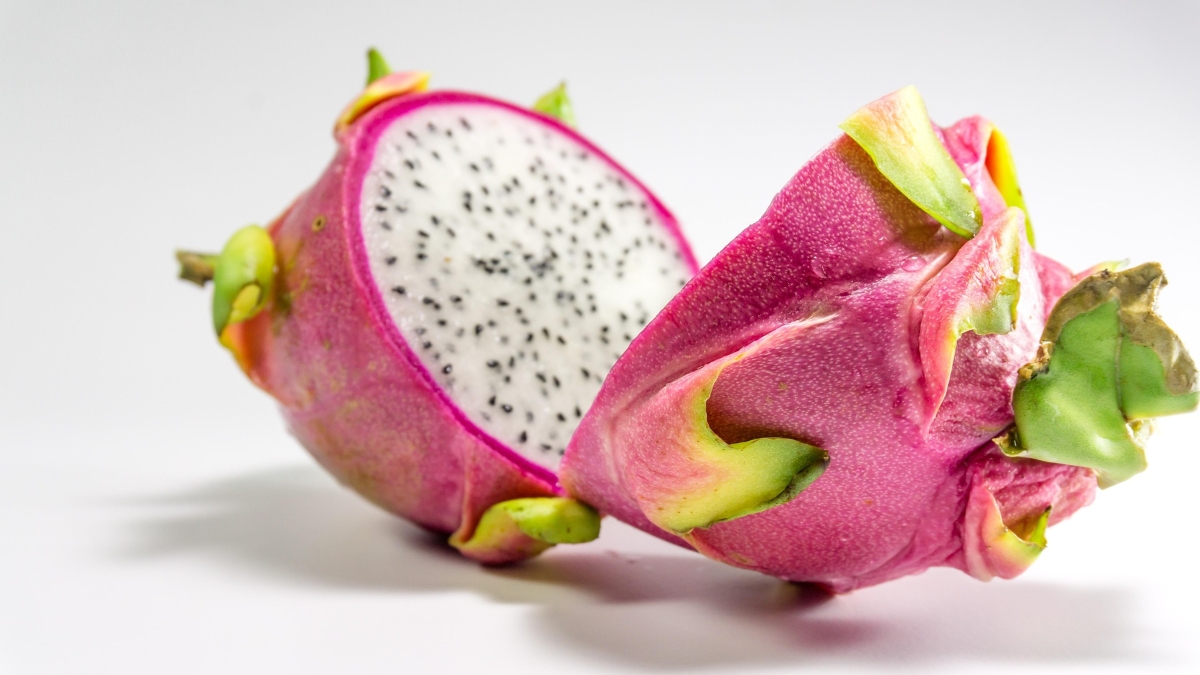
Pitahaya (Hylocereus spp.), also known as dragon fruit, is attracting growing commercial interest due to its nutritional attributes, adaptability to different environmental conditions and increasing market demand. A review published in Agriculture examines scientific and technological developments related to this species throughout the production chain.
The study brings together research papers and patent documents published between January 2019 and March 2026. The initial search identified approximately 170 scientific publications and 2,000 patent records. Following screening, the authors included 105 scientific publications and 96 patents in their analysis.
Advances in cultivation and agronomic management
The review covers improvements in vegetative propagation, greenhouse and soilless cultivation systems, and nutrient and environmental management. It also examines how agronomic and reproductive practices influence final fruit quality and postharvest performance.
The authors highlight the development of technologies for protected cultivation, support structures and digital agriculture. However, they note that crop-specific management protocols and broader quantitative comparisons between production systems are still needed.
Bioactive compounds and fruit quality
Another area of focus is dragon fruit’s nutritional composition and the characterization of its bioactive compounds. The review brings together available evidence on these substances and their potential health-related effects, while considering their relevance to product quality.
This integrated analysis helps connect cultivation conditions and crop management with fruit characteristics. Nevertheless, the authors emphasize the need for further scientific and technological research and validation.
Postharvest preservation and the circular economy
Postharvest preservation and by-product valorization are further areas of innovation identified in the review. Using fruit components that are not intended for direct consumption could create opportunities to develop higher-value ingredients and products, in line with circular bioeconomy principles.
The review suggests that integrating production, preservation and processing technologies could improve the overall utilization of this crop. However, commercial-scale feasibility must be assessed, and technology transfer needs to be strengthened before these solutions can be widely adopted by industry.
Challenges to commercial implementation
Despite the progress identified, challenges remain in large-scale technology validation, the standardization of cultivation practices and objective comparisons between production systems. Transferring research findings to the industry also remains a significant hurdle.
The authors conclude that developing dragon fruit as a high-value crop will require an integrated approach connecting production, nutritional quality, postharvest management and by-product utilization. Reliable protocols and industrial validation will be essential to turn scientific advances into practical solutions for the agricultural and food sectors.
Source
Olalde-Ramos, P., Gutiérrez-Antonio, C., Chandrakasan, G., Flores-Aguilar, P. S., Sánchez-Gutiérrez, A. E., Flores-Nieves, M. M., Rodríguez-Romero, S. A., & Soto-Zarazúa, G. M. (2026). Pitahaya (Hylocereus spp.) as an Emerging High-Value Crop: Advances in Production, Bioactive Compounds, Postharvest Technologies and Innovation. Agriculture, 16(20), 2261. https://doi.org/10.3390/agriculture16202261