Conditioning
LED lighting improves productivity and postharvest quality of ‘Scopatizzo’ unripe melon
A hydroponic cultivation study shows that supplemental red-blue LED lighting before harvest increases yield and improves firmness retention during cold storage in the traditional Italian ‘Scopatizzo’ melon, enhancing its postharvest performance
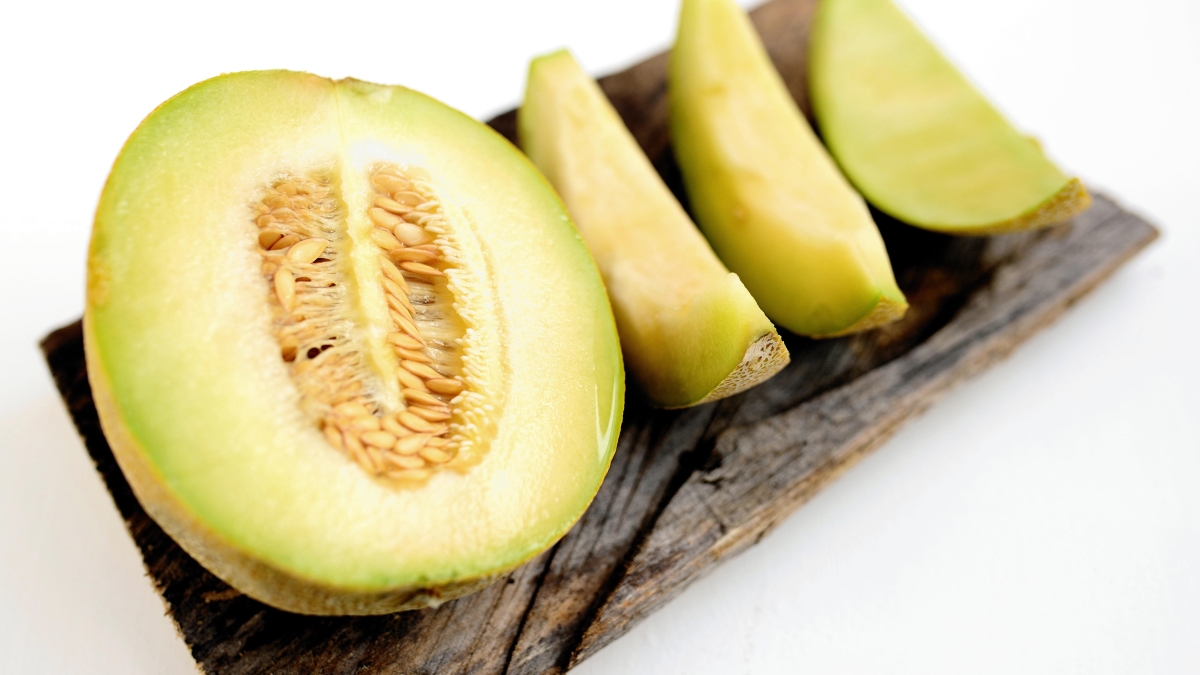
Light management during cultivation is increasingly becoming a strategic tool for improving both productivity and postharvest quality in fruit and vegetable crops. A study published in the Journal of the Science of Food and Agriculture evaluated the effects of supplemental LED lighting on the traditional Italian ‘Scopatizzo’ melon (Cucumis melo L.), an Apulian landrace consumed at the immature stage as an alternative to cucumber.
The experiment was conducted in a closed-cycle hydroponic system using red-blue LED lighting during cultivation. Results showed an approximately 29% increase in fruit production, with plants producing 14 fruits on average compared to 11 fruits under standard conditions.
Beyond yield improvements, supplemental lighting also enhanced postharvest performance. After 17 days of cold storage at 4 °C, fruits grown under LED lighting maintained around 18% greater firmness than untreated controls, an important attribute for extending shelf life.
At harvest, LED-treated fruits also contained up to 12% more chlorophyll and 28% higher glucose concentrations. However, no significant differences were observed in mineral composition between treatments.
During storage, both treated and untreated fruits exhibited increases in phenolic compounds and carotenoids, rising by 80% and 22%, respectively. According to the researchers, these changes were mainly associated with cold-induced metabolic responses rather than the lighting treatment itself.
The findings support the integration of LED light management and soilless cultivation systems as effective tools for enhancing local melon varieties, improving postharvest quality, and extending market opportunities for fresh produce.
Source
Palmitessa, O. D., Troilo, M., Porfido, C., Terzano, R., De Angelis, D., Renna, M., Caponio, F., & Santamaria, P. (2026). Preharvest supplemental lighting enhances productivity and modulates postharvest quality in hydroponically grown Apulian unripe melon ‘Scopatizzo’ (Cucumis melo L.). Journal of the Science of Food and Agriculture.
Related news