Conditioning
New insights into preventing postharvest browning in litchi
A scientific review examines the biochemical and environmental mechanisms responsible for skin browning in litchi after harvest. The study highlights the role of enzymatic activity, water balance and energy metabolism in developing strategies to extend shelf life and reduce postharvest losses
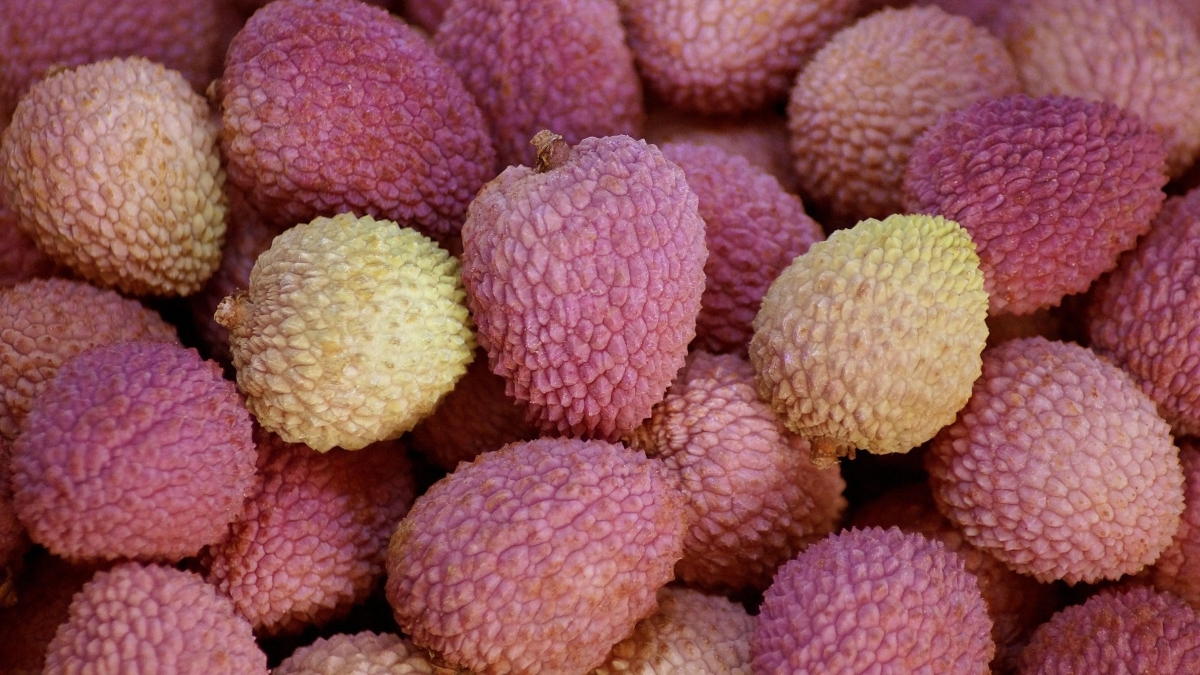
Maintaining litchi quality after harvest remains one of the main challenges for its commercialisation. The appearance of dark patches on the skin progressively reduces its visual appeal and consumer acceptance. A new scientific review examines the mechanisms behind this phenomenon and explores possible ways to delay its development.
The role of enzymes in colour loss
The review highlights the involvement of three groups of enzymes in the oxidation reactions associated with browning: polyphenol oxidase (PPO), peroxidase (POD) and laccase (LAC). Particular attention is given to laccase because of its involvement in the oxidation of phenolic compounds, such as epicatechin, and in processes associated with anthocyanin degradation.
Enzymatic activity does not operate independently. The availability of substrates, oxygen levels, pH and cellular compartmentalisation also influence the reactions responsible for discolouration.
Water and energy balance are essential for preservation
Another key aspect of the research is the relationship between fruit water status, energy metabolism and redox balance. Water loss can increase pericarp pH and membrane permeability, facilitating contact between enzymes and phenolic compounds.
At the same time, energy imbalance and excessive accumulation of reactive oxygen species can damage cell membranes and accelerate senescence. Maintaining antioxidant capacity and tissue integrity, on the other hand, helps preserve pigments and delay browning.
Susceptibility also varies between cultivars. The review identifies differences in browning rates, skin structure, water retention and phenolic composition, all of which can influence the ability of individual varieties to maintain quality during storage.
New strategies to extend shelf life
Looking ahead, the researchers propose integrating the study of water status, redox balance and energy metabolism to gain a better understanding of the mechanisms governing deterioration. They also identify the development of quantitative browning models, the selection of resistant cultivars through genetic improvement and the design of safe, effective and low-cost postharvest handling systems as research priorities.
The aim is to develop integrated strategies that preserve the commercial appearance of litchi for longer, extend its shelf life and reduce fruit losses throughout the distribution chain.
Source
Zhang, D., Mao, Z., Huang, S., Li, Y., Zhu, H., & Jiang, Y. (2026). Insights into postharvest pericarp browning in litchi. Preprints.org. https://doi.org/10.20944/preprints202610.2398.v1
Related news