Processing
Postharvest ethephon treatment enhances peach wine aroma
Research published in Food Chemistry: X shows that applying ethephon to commercially mature peaches can improve the quality of wine made from the fruit. The treatment helps preserve firmness and promotes the accumulation of compounds associated with floral, sweet and fruity aromas, while increasing flavonoid content and antioxidant capacity
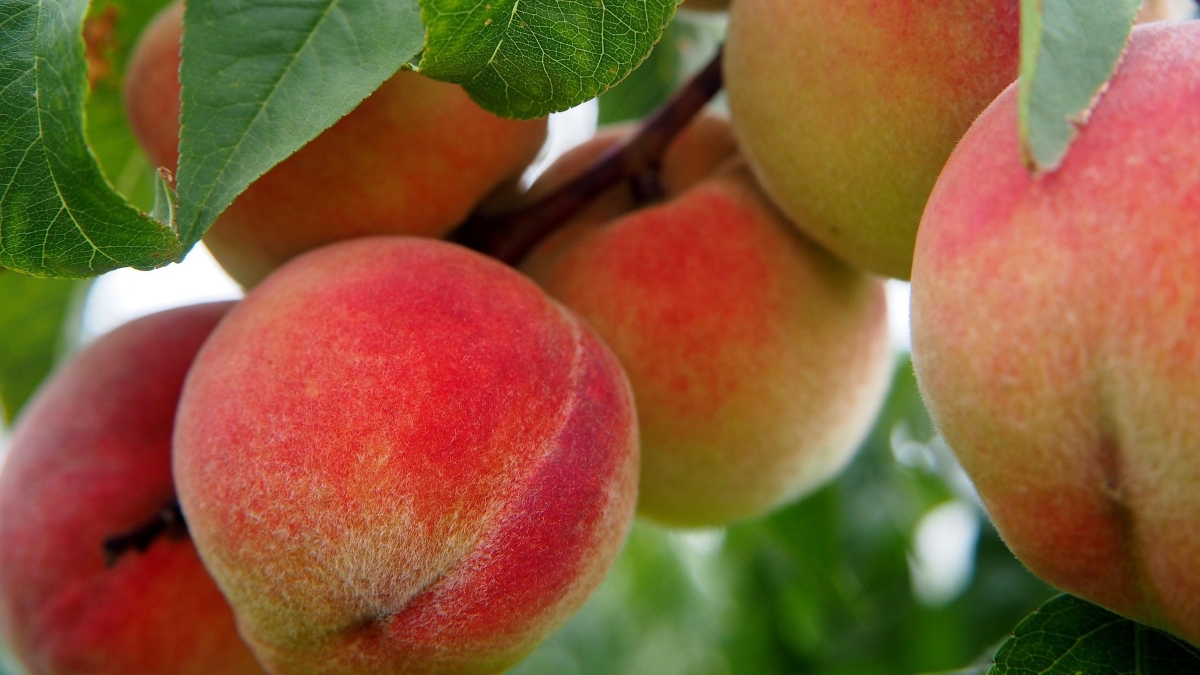
A study published in the scientific journal Food Chemistry: X has identified a postharvest strategy to improve the quality of wine made from peaches harvested at commercial maturity. The research examines how the application of ethephon, a plant growth regulator, influences the physicochemical properties, aromatic compounds and sensory characteristics of the final product.
The study compares wines made from fruit harvested at different ripening stages with wines produced from commercially mature peaches subjected to different ethephon treatments. The results show that this application helps preserve fruit firmness and produces wines with quality characteristics closer to those obtained from fully ripe peaches.
Higher concentrations of aromatic and antioxidant compounds
One of the main findings is an increase in the total flavonoid content and antioxidant capacity of wines made from ethephon-treated fruit. The researchers also detected stronger floral, sweet, fruity and fermentative aromas, which contribute to improving the sensory profile.
Eleven differential compounds were identified across the volatile and non-volatile profiles analysed. These include γ-decalactone and β-ionone, which are associated with aromatic characteristics, as well as ethyl 2-methylbutanoate and ethyl 2-hydroxybenzoate. Differences were also observed in compounds such as quinic acid, L-malic acid, L-valine, glutamic acid and caffeic acid.
An alternative for using fruit harvested at commercial maturity
Heatmap clustering analysis showed that wines made from ethephon-treated peaches had volatile compound and amino acid profiles similar to those obtained from fruit at 100% ripeness.
These findings suggest that postharvest treatment could help improve the characteristics of raw materials intended for fermented beverage production, without requiring fruit to be harvested at more advanced stages of ripeness.
New opportunities for adding value to peaches
The research presents postharvest ethephon treatment as a potential tool for improving peach wine quality and expanding the processing opportunities for this fruit.
This strategy could help diversify peach-derived products and add value to their industrial utilisation. However, further studies will be needed to assess its commercial-scale application and determine the most appropriate treatment conditions.
Source
Lv, Z., Jiao, Z., Liu, H., Qi, Q., Wang, X., Zhang, Q., Yang, W., Chen, D., Nawaz, M., & Liu, J. (2026). Postharvest ethephon treatment of commercial maturity peaches to improve the wine quality: A comparative study focusing on volatile and non-volatile profiles. Food Chemistry: X. Article 104717.