Conditioning
Vibration stress accelerates postharvest kiwifruit deterioration
Shocks and vibrations during transportation disrupt the antioxidant balance in kiwifruit and promote the accumulation of reactive compounds that damage its cells. The findings highlight the need to improve preservation and protection strategies against vibration throughout the supply chain
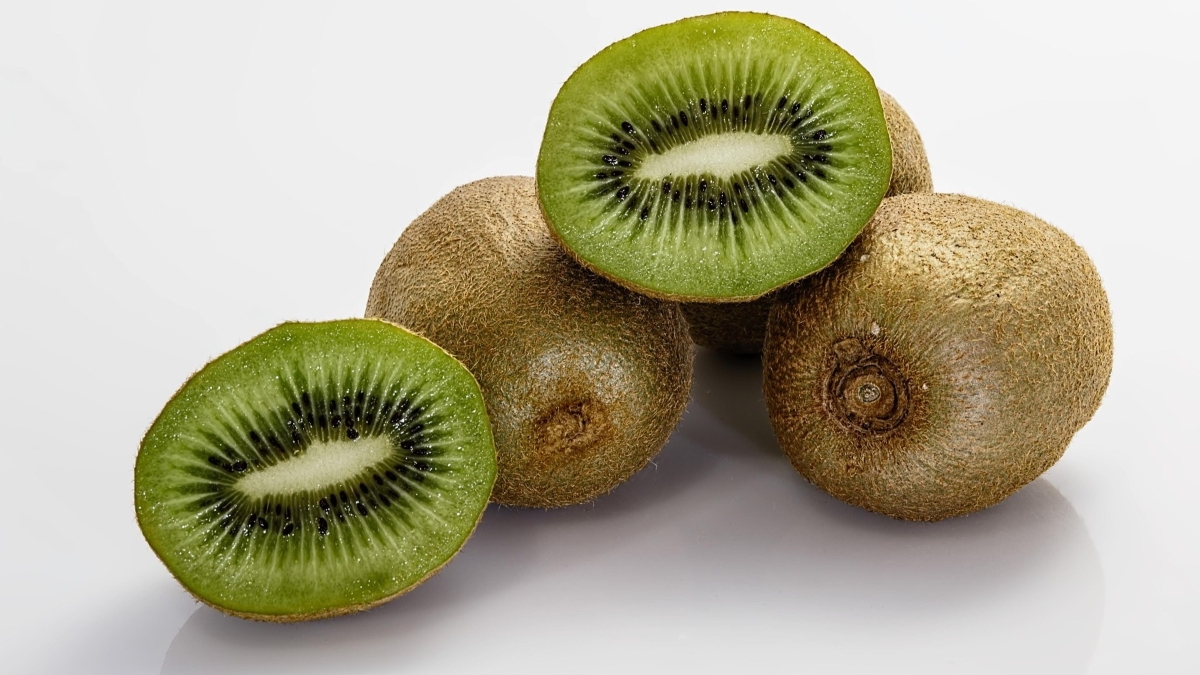
Mechanical vibrations during transportation represent a source of stress for fresh produce. In kiwifruit (Actinidia deliciosa), a climacteric fruit particularly susceptible to postharvest changes, prolonged exposure to these movements can accelerate quality loss and lead to significant economic losses.
The study “Postharvest vibration stress-induced oxidative damage accelerates the quality deterioration of kiwifruit (Actinidia deliciosa)”, published in Postharvest Biology and Technology, investigates the physiological and molecular mechanisms behind this deterioration. The researchers evaluated various quality parameters, reactive oxygen species (ROS) dynamics, antioxidant enzyme activities, flesh microstructure and changes in gene expression.
The results show that vibration stress increases weight loss, softening and colour changes. It also stimulates respiratory metabolism and ethylene synthesis, with ethylene production proving particularly sensitive to vibration.
Oxidative imbalance affects fruit cells
One of the main effects identified was the disruption of reactive oxygen species homeostasis. During vibration exposure, superoxide anion (O₂·⁻) levels showed an initial, temporary increase followed by a decline. In contrast, hydrogen peroxide (H₂O₂) accumulated continuously throughout the treatment.
This response was accompanied by a rapid decrease in superoxide dismutase (SOD) activity and a limited ability to induce other antioxidant enzymes, such as catalase (CAT) and peroxidase (POD). Transcriptomic analysis confirmed that vibration altered the expression of numerous genes involved in these defence systems. Most SOD and CAT transcripts were downregulated, while some showed a biphasic response, with an initial decrease followed by partial recovery. Meanwhile, genes from the POD family displayed different expression patterns.
The reduced ability to neutralise ROS, together with lower ascorbic acid and carotenoid contents, promoted membrane lipid peroxidation and impaired the structural integrity of fruit cells.
Implications for preservation and transportation
Overall, the study identifies oxidative stress as one of the main mechanisms underlying quality loss in kiwifruit exposed to prolonged vibration. The disruption of redox balance affects enzymatic and molecular responses as well as cellular structure, contributing to the deterioration of the fruit's commercial characteristics.
The authors indicate that these findings provide a basis for developing postharvest preservation strategies adapted to vibration stress. Future research could focus on candidate genes associated with fruit tolerance to this type of stimulus, with the aim of better understanding its response and reducing damage during transportation.
Source
Xie, J., Zhao, C., Song, S., & Niu, J. (2026). Postharvest vibration stress-induced oxidative damage accelerates the quality deterioration of kiwifruit (Actinidia deliciosa). Postharvest Biology and Technology. https://doi.org/10.1016/j.postharvbio.2026.114814