Cooling and CA
Salicylic acid protects mangoes against chilling injury during storage
Research published in Postharvest Biology and Technology shows that salicylic acid treatment helps reduce chilling injury in mangoes during low-temperature storage. The treatment preserves fruit firmness and peel color while regulating interactions between different phytohormones involved in stress responses and fruit defence mechanisms
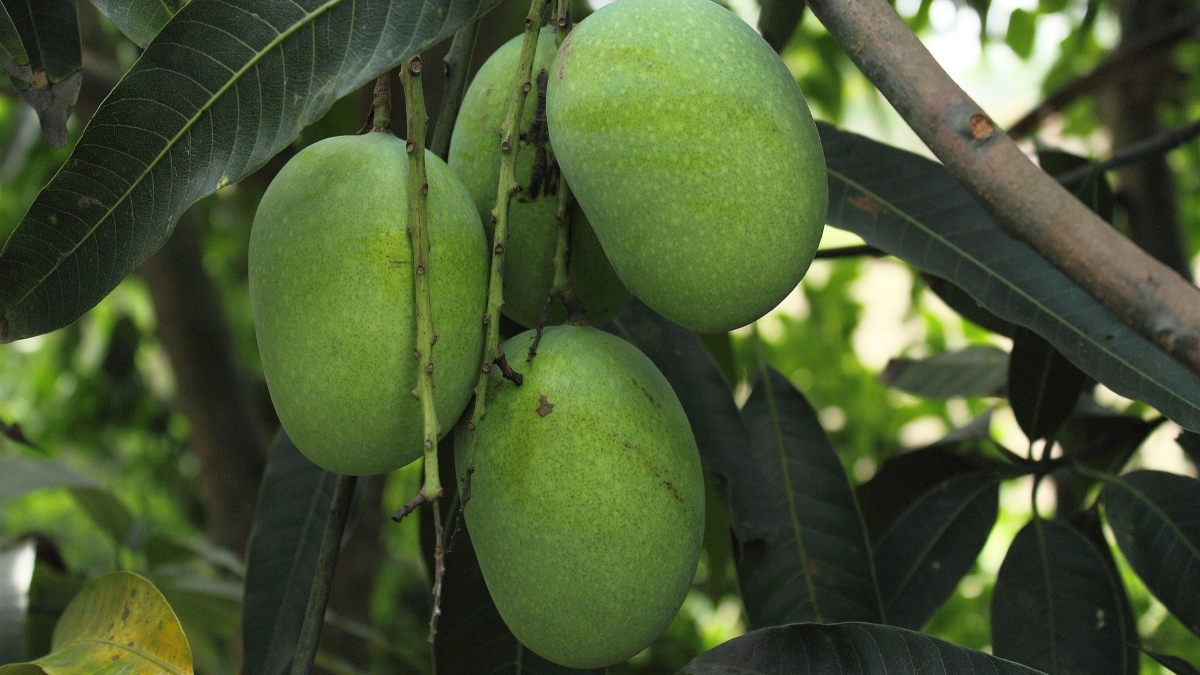
A study published in the scientific journal Postharvest Biology and Technology has identified the molecular mechanisms through which salicylic acid can reduce chilling injury in mango fruit (Mangifera indica L.) during postharvest storage. The research examines how this compound regulates interactions between different phytohormones and helps maintain fruit quality under low-temperature conditions.
To conduct the experiment, mature green mangoes were treated with a 2 mM salicylic acid solution, while another group received distilled water as a control treatment. The fruit was subsequently stored at 10 °C and 15 °C for up to 28 days.
The results showed that the treatment significantly reduced the increase in chilling injury and electrolyte leakage, indicating better preservation of cell membrane integrity. It also helped maintain fruit firmness and peel color, two important parameters for preserving mango quality.
Hormonal regulation improves cold tolerance
One of the main findings is the role of salicylic acid in regulating phytohormones involved in stress responses. Through transcriptomic and gene expression analyses, the researchers identified changes in hormonal pathways associated with fruit adaptation to low temperatures.
The treatment reduced ethylene and gibberellin accumulation, as well as the activity of their associated signalling pathways. It also modified the response of abscisic acid (ABA), increasing its internal levels while reducing the expression of certain components involved in its signalling.
Furthermore, salicylic acid reduced jasmonic acid (JA) biosynthesis while increasing the expression of MiJAZ, a negative regulator of its signalling pathway. At the same time, it promoted its own biosynthesis by activating genes involved in its production.
Reduced cellular damage and improved quality retention
The molecular and hormonal analyses indicate that salicylic acid coordinates different defence mechanisms to prevent excessive responses to cold stress. This regulation helps maintain tissue physiological balance and improves mango tolerance during refrigerated storage.
The study therefore highlights the importance of phytohormone interactions in postharvest preservation processes and fruit responses to unfavourable environmental conditions.
New opportunities for postharvest preservation
The findings identify salicylic acid as a potential tool for reducing quality losses associated with mango cold storage. Its ability to limit cellular damage and maintain characteristics such as firmness and peel color could contribute to improving postharvest management of this fruit.
However, further research will be needed to determine optimal application conditions and verify the effectiveness of the treatment across different varieties and commercial storage systems.
Source
Kongsuwan, A., Kondo, S., Charatsaengphaibun, R., Naradisorn, M., Suthiluk, P., Tomiyama, H., Abe, J., Makino, T., Aoki, K., Rahul, S. K., Saito, T., & Setha, S. (2026). Modulation of phytohormone crosstalk by salicylic acid alleviates postharvest chilling injury in mango fruit (Mangifera indica L.). Postharvest Biology and Technology.