Conditioning
New postharvest technologies improve peach quality and storage performance
Research highlights the potential of ozone treatments and Vis-NIR spectroscopy to reduce postharvest losses, preserve fruit quality and minimize chilling injury during peach storage
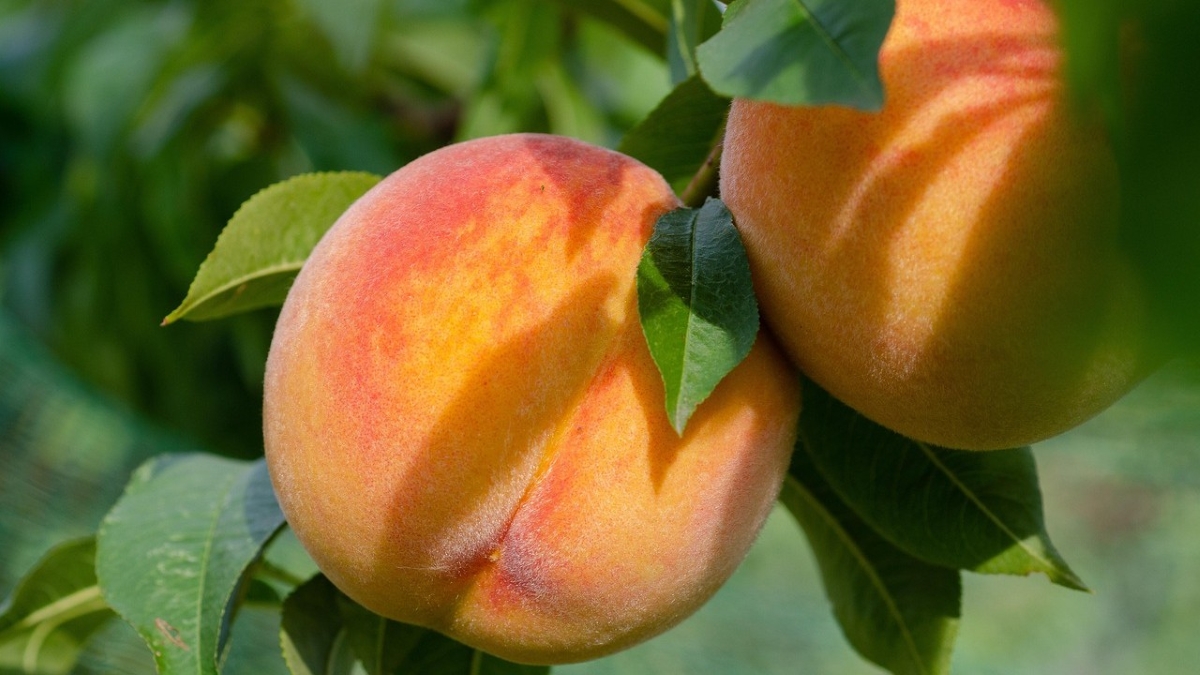
Maintaining peach quality after harvest remains one of the greatest challenges for the fruit industry. Rapid softening, decay development and physiological disorders caused by cold storage, particularly chilling injury, significantly reduce the commercial life of fresh peaches.
A recent study evaluated several postharvest management strategies designed to preserve fruit quality during storage, with particular emphasis on ozone-based technologies as alternatives to conventional sanitation methods.
Researchers compared aqueous ozone delivered through nanobubble systems with traditional sanitation practices, assessing their effects on fruit firmness, soluble solids content, titratable acidity, respiration rate, weight loss, colour, decay incidence and symptoms associated with chilling injury.
Additional experiments investigated gaseous ozone treatments applied during refrigerated storage under different concentrations and application conditions to determine their effects on fruit physiology, storage performance and quality in commercial peach cultivars.
The results showed that peach responses varied according to ozone concentration, application method and storage conditions. Although ozone technologies demonstrated considerable promise for postharvest management, their effectiveness depends on carefully optimised treatment protocols capable of balancing antimicrobial activity with quality preservation.
The research also confirmed that storing fruit at higher temperatures can reduce chilling injury. However, these conditions accelerate ripening, increase weight loss and promote decay, making them unsuitable for long-term storage or long-distance transportation.
The study further evaluated visible-near infrared (Vis-NIR) spectroscopy as a non-destructive tool for assessing fruit maturity and identifying variability associated with susceptibility to chilling injury.
Overall, the research provides a comprehensive assessment of alternative postharvest technologies and demonstrates how ozone treatments together with Vis-NIR sensing could be integrated into commercial handling systems to reduce losses and maintain peach quality throughout storage and distribution.
Source
Giannopoulos, O. (2026). Postharvest management strategies for maintaining quality and reducing physiological disorders in fresh peaches (Tesis doctoral). Bajo la dirección de Angelos Deltsidis y Dario Chavez. ProQuest.
Related news
New genomic techniques and postharvest, a key relationship for reducing losses