News
New genomic techniques and postharvest, a key relationship for reducing losses
The new European regulation distinguishes between plants equivalent to those obtained through conventional breeding and more complex modifications, opening up new possibilities for developing more resistant, stable varieties adapted to the demands of the fruit and vegetable chain
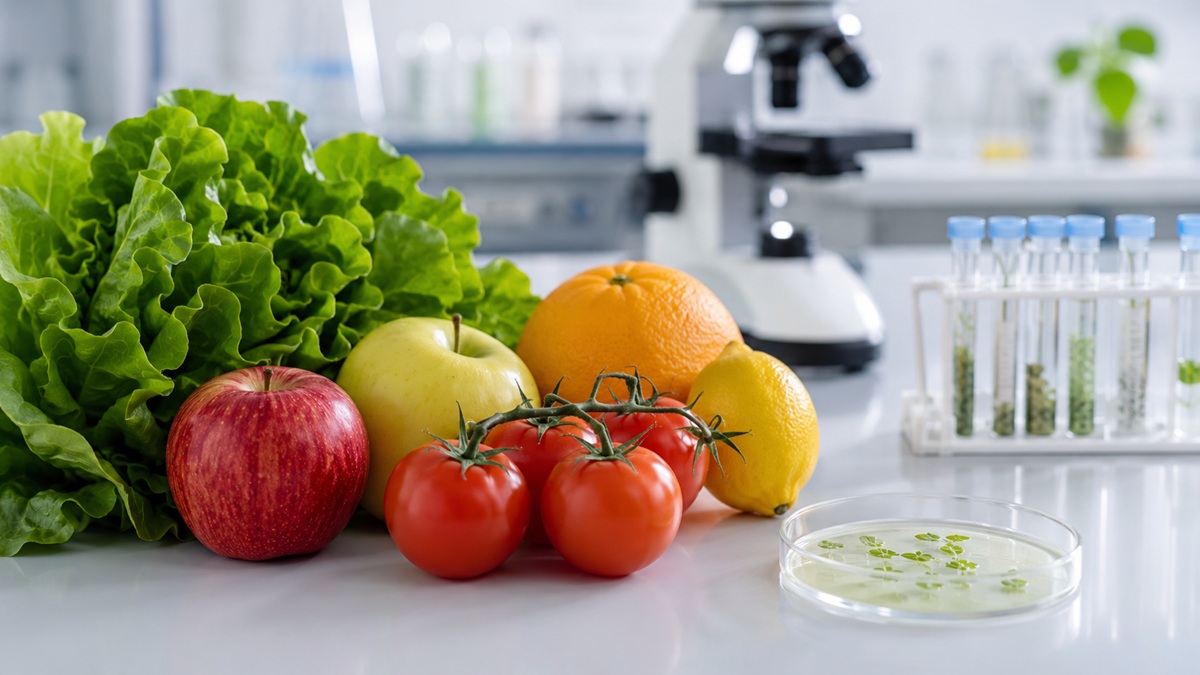
The European Parliament has approved new rules to facilitate access to plant varieties obtained through new genomic techniques, with the aim of promoting crops that are more resistant to climate conditions and pests, with higher yields and a lower need for pesticides. The regulation will enter into force 20 days after its publication in the Official Journal of the EU and will start to apply two years later.
Although the debate has focused on the field and agricultural production, its effects may also be relevant for postharvest. The development of varieties with greater stress tolerance, lower sensitivity to diseases, more controlled ripening or better behaviour during storage could become an additional tool to reduce losses and improve the commercial shelf life of fruit and vegetables. However, these potential effects will have to be assessed on a case-by-case basis, as they will depend on the crop, the variety and the specific trait developed.
What are new genomic techniques?
New genomic techniques, known as NGTs, are plant breeding tools that allow the genetic material of a plant to be modified more precisely than traditional methods. According to the European Food Safety Authority, these techniques can be used to design new traits of interest or strengthen characteristics already present in an organism, for example by adding, deleting or rearranging fragments of DNA.
These techniques include methods such as targeted mutagenesis, which induces specific changes in particular areas of the genome without introducing new genetic material, and cisgenesis, which uses sequences from the same species or from a closely related species. This differentiates them from classical transgenesis, in which genetic material from unrelated species may be introduced.
The new European legislation introduces an important change: plants obtained through NGTs will be regulated according to their final genetic composition, and not only according to the technique used to obtain them. In other words, the regulatory framework will distinguish between modifications that could also have occurred through conventional breeding and those that are more extensive or complex.
Two categories with different obligations
The new framework divides NGT plants into two categories. Category 1 NGTs correspond to plants with a limited number of modifications that could also have occurred through conventional plant breeding. Once they have been verified as meeting the established criteria, they will be treated in a similar way to conventional plants. However, seed bags and plant reproductive material will have to be labelled as "category 1 NGT", and the varieties will be included in a public EU database.
Category 2 NGTs include plants with more extensive or complex genetic modifications. In this case, they will remain subject to the current rules on genetically modified organisms, with risk assessment, authorisation, traceability and labelling before being placed on the market in the European Union.
The regulation also introduces relevant exclusions. Plants designed to tolerate herbicides or produce insecticidal substances will not be considered category 1 NGTs. In addition, the use of NGTs will not be allowed in organic production, although the technically unavoidable presence of category 1 NGT plants would not constitute a breach of organic rules.
Why they may matter in postharvest
In fruit and vegetables, final quality does not depend only on handling after harvest. The variety determines key aspects from the outset, such as firmness, sensitivity to mechanical damage, susceptibility to rots, response to cold, ripening speed, water loss, respiration, ethylene production or stability during transport and shelf life.
For this reason, new genomic techniques could have applications of interest for postharvest if they are aimed at developing varieties with greater resistance to stress, better behaviour against diseases or more uniform ripening. In practical terms, this could help reduce losses, improve logistics planning and extend the commercial life of certain products.
One possible area of work is disease resistance. The EU points out that these techniques can contribute to the development of varieties that are more resistant to pests and adverse climatic conditions, which may have consequences both in the field and in the phase after harvest. Fruit that is less weakened before harvest or less susceptible to certain pathogens can arrive at the packinghouse in better condition, provided that agronomic and postharvest management are appropriate.
Another relevant area is tolerance to climate stress. Droughts, heat waves, irregular rainfall or sudden temperature changes can affect fruit physiology and influence its subsequent behaviour in storage, transport or marketing. Varieties better adapted to these conditions could bring greater consistency to the chain, especially in seasons marked by greater climate variability.
A further area of interest may also open up around internal quality and shelf life. Traits related to texture, firmness, sensitivity to browning, weight loss, ripening rate or response to cold are decisive for maintaining commercial quality. If NGTs are applied to these objectives, they could complement existing postharvest technologies, such as controlled atmospheres, cold storage, coatings, packaging, ethylene control or treatments against rots.
Less dependence on treatments, but not a replacement for postharvest management
One of the arguments behind the new regulation is that these tools can contribute to obtaining crops that require fewer pesticides. In postharvest, this is especially relevant because the sector operates under increasingly strict maximum residue limits, demanding commercial requirements and growing pressure to reduce the number of active substances available.
However, NGTs do not replace postharvest management. A more resistant variety can reduce risks, but it does not eliminate the need for good harvesting practices, hygiene, selection, cooling, humidity control, atmosphere management, prevention of mechanical damage and maintenance of the cold chain.
The opportunity lies in combining genetics, technology and management. In a context of higher quality demands, lower tolerance for losses and greater regulatory pressure on treatments, improved varieties could become one more component within an integrated postharvest strategy.
Traceability, labelling and debate across the chain
The regulation maintains clear differences between the two categories. Category 2 NGT plants will remain subject to full traceability and labelling as GMOs, while category 1 NGT varieties will have to appear in a public database and their reproductive material will have to be identified as such.
This point will be important for growers, nurseries, breeders, marketers and retail chains, as market acceptance may vary depending on the country, crop, commercial channel and consumer profile. In fresh produce, where trust, origin, certification and commercial differentiation carry increasing weight, communication will be as important as varietal innovation.
The debate on intellectual property will also remain open. The European Parliament indicates that NGTs may be patented, except in the case of traits or sequences that occur in nature or through biological means, and introduces measures to avoid market concentration and promote fair access for farmers.
A new tool to reduce losses and gain stability
The approval of this regulatory framework does not immediately change the reality of fruit and vegetable packinghouses, but it may accelerate the development of new varieties adapted to the challenges of production and postharvest. In the coming years, interest will focus on which traits reach the market, which crops they are applied to and how they actually perform under commercial conditions.
For postharvest, the value of these technologies will not only lie in producing more, but in producing better: more stable fruit and vegetables, with lower incidence of damage, better conservation and a more predictable commercial shelf life. Genetics may therefore become an additional ally in addressing one of the sector’s major challenges: reducing losses without compromising quality, safety or consumer acceptance.
Source: European Parliament and European Food Safety Authority
Related news
A new approach to controlling Listeria in postharvest fruit and vegetable production