Conditioning
Phytochemicals open new ways to preserve flower quality after harvest
This review examines the role of phytochemicals in the post-harvest preservation of cut flowers and ornamental plants. It analyses the biosynthetic pathways and degradation mechanisms of compounds such as ethylene, phenolics, flavonoids, carotenoids, anthocyanins and terpenoids, which are associated with senescence, wilting, petal abscission and colour fading
Post-harvest preservation remains one of the main challenges facing the floriculture industry. Senescence, wilting, petal abscission and colour fading can rapidly reduce the commercial value of cut flowers, while conventional preservation treatments may have environmental drawbacks.
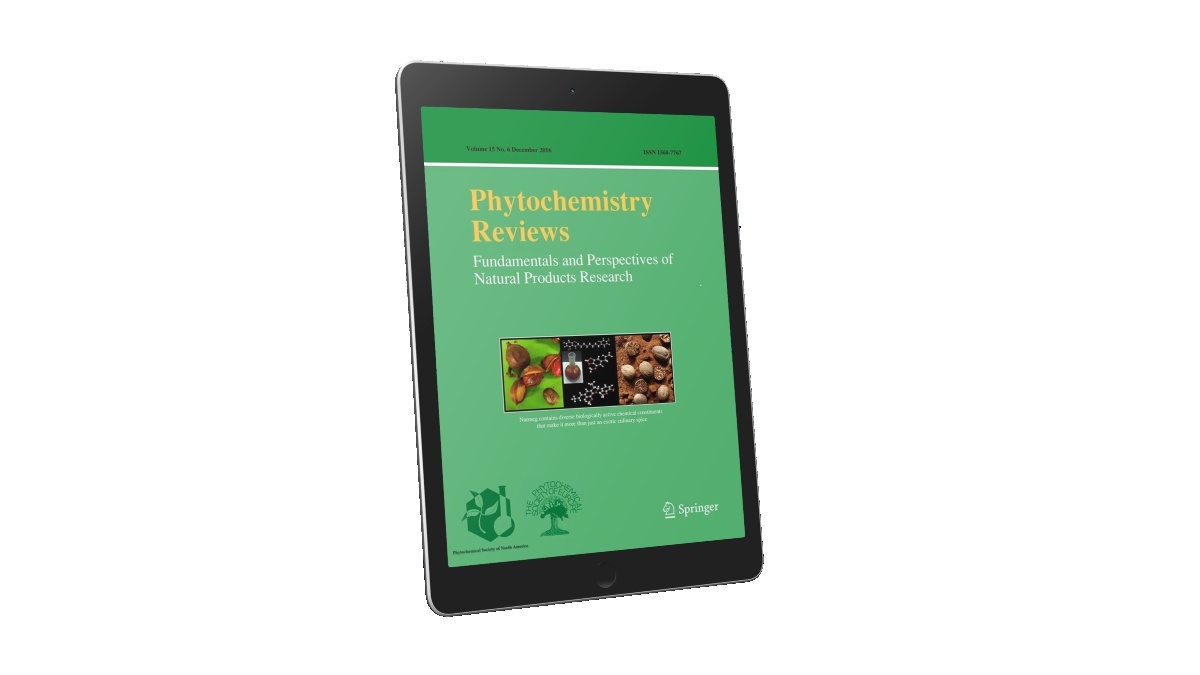
A review published in Phytochemistry Reviews examines the role of phytochemicals in these processes and brings together the main strategies that can be used to preserve flower quality after harvest. The study reviews more than 300 scientific publications and highlights naturally derived compounds as potential sustainable alternatives to some synthetic preservatives.
Phytochemicals play a role in flower senescence
The deterioration of cut flowers involves a complex interaction between different compounds and biochemical processes. These include ethylene, reactive oxygen species (ROS), phenolics, flavonoids, carotenoids, anthocyanins and terpenoids, together with enzymes involved in cell-wall modification.
The review examines the biosynthetic origins and degradation of these compounds, as well as the molecular mechanisms responsible for quality loss. Particular attention is given to phytohormones, especially ethylene and cytokinins, because of their role in regulating the expression of senescence-associated genes.
Understanding these biochemical pathways can help identify new intervention points to delay flower ageing and maintain their visual and ornamental characteristics for longer.
Natural alternatives to extend post-harvest life
One of the main approaches discussed in the study is the use of natural phytochemical-based preservatives. These include essential oils, plant extracts and different bioactive metabolites.
Such compounds can help control oxidative stress and strengthen antioxidant defence mechanisms in flowers, while also influencing processes associated with senescence.
The review also examines structure–activity relationships involving secondary metabolites and their ability to extend vase life, which could support the development of more targeted treatments for different ornamental species.
Technology and biotechnology for improved preservation
The future of post-harvest preservation will also depend on combining phytochemical knowledge with emerging biotechnological tools.
The review discusses different strategies for modifying flower phytochemical profiles and improving their response to degradation processes, including approaches involving ethylene signalling, reactive oxygen species and antioxidant systems.
It also includes detailed tables comparing the phytochemical composition of commercially important species, together with diagrams illustrating ethylene signalling, ROS cascades and the structures of bioactive molecules.
Towards more sustainable floriculture
The relevance of these strategies is not only technological. The global floriculture industry generates more than USD 50 billion in annual revenue, meaning that reducing post-harvest losses could have significant economic implications.
Phytochemical-based preservation strategies may also reduce dependence on synthetic preservatives and potentially lower the environmental impact and carbon footprint associated with flower preservation practices.
The review therefore provides a roadmap for future research focused on eco-friendly, phytochemical-based solutions capable of improving the preservation of cut flowers and supporting a more sustainable post-harvest floriculture sector.
Source
Chaubey, S., Mishra, V., Khuraijam, J. S., & Srivastava, M. (2026). Phytochemicals in post-harvest flowers: biochemical pathways, degradation mechanisms and strategies for quality preservation. Phytochemistry Reviews. Springer
Related news