Conditioning
Research examines how to preserve pepper quality after harvest
Temperature control, preservation treatments and the regulation of physiological and molecular processes are essential to reducing postharvest deterioration in peppers. A review published in Horticulturae examines advances in these techniques and the mechanisms that help maintain fruit quality during storage
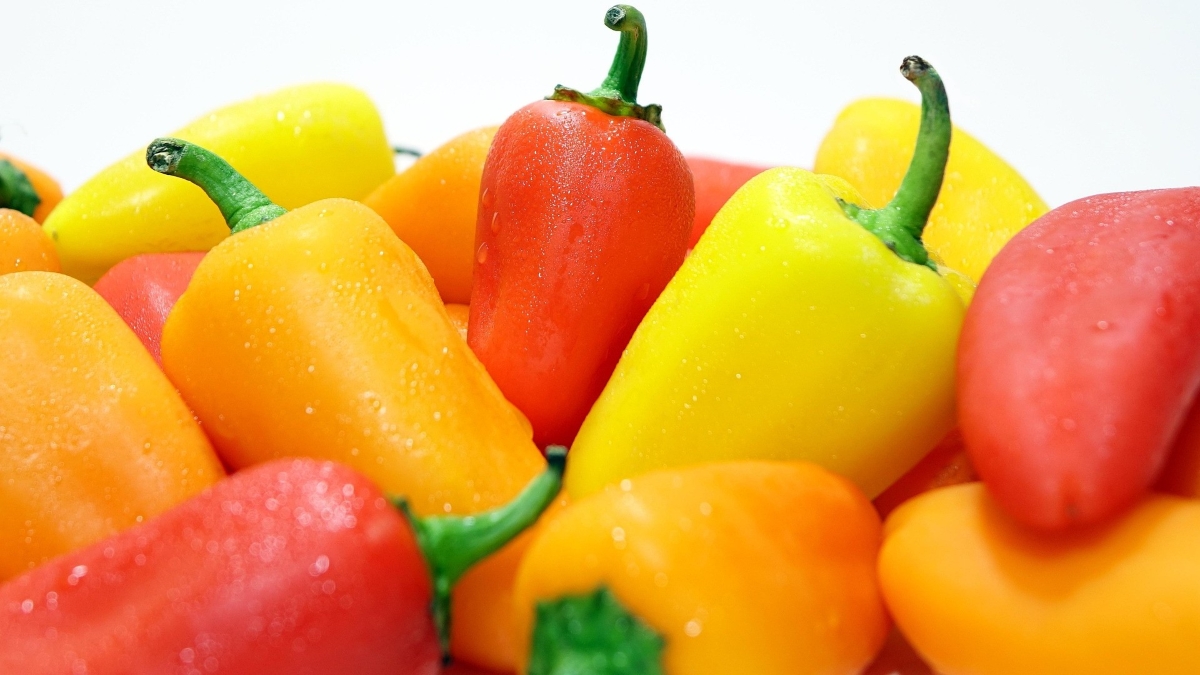
Peppers (Capsicum annuum L.), including both hot and sweet types, are an economically and nutritionally important crop. However, their postharvest behaviour varies depending on cultivar, maturity stage and ripening characteristics. While most sweet and bell pepper cultivars are considered non-climacteric, some hot pepper genotypes display climacteric-like or intermediate ripening characteristics.
After harvest, factors such as respiration, transpiration, microbial infections and chilling injury can accelerate quality loss. In particular, unsuitable storage conditions promote pigment degradation and physiological disorders that limit product shelf life.
Technologies to reduce postharvest deterioration
The review examines a range of chemical, physical and non-invasive strategies designed to delay senescence and restrict microbial growth. These include edible coatings, hot water treatments, ultraviolet irradiation, packaging methods and the control of storage conditions.
The effects of these technologies are associated with several cellular processes. The review highlights the importance of sugar and energy metabolism, antioxidant systems, membrane stability and cell wall metabolism. It also underlines the role of ethylene signalling and fruit defence responses in protecting produce against deterioration.
Molecular regulation opens up new preservation approaches
In addition to established physiological mechanisms, the article discusses the influence of epigenetic regulation on pepper ripening and deterioration. In particular, it examines the relationship between DNA methylation and non-coding RNAs and these processes, describing them as an additional regulatory layer that complements hormone-related pathways.
The authors suggest that understanding these mechanisms could contribute to the development of more targeted preservation solutions. Combining appropriate temperature management with technologies that act on signalling and defence pathways could help reduce chilling injury, pigment loss and food waste throughout the supply chain.
The review also identifies limitations affecting the application of these technologies and outlines future research directions aimed at developing more sustainable and effective methods for preserving peppers.
Source
Wei, L., Yuan, J., Zhong, Y., Zhai, J., Li, C., Wei, S., & Liu, Y. (2026). Physiological and molecular mechanisms underlying postharvest preservation of peppers. Horticulturae, 12(10), 1295. https://doi.org/10.3390/horticulturae12101295