Conditioning
Review examines pigment degradation and postharvest quality in peppers
A scientific review examines the mechanisms behind chlorophyll and carotenoid degradation in pepper and their impact on postharvest quality. The study identifies current knowledge gaps and highlights multi-omics and gene-editing tools as promising strategies to improve fruit preservation
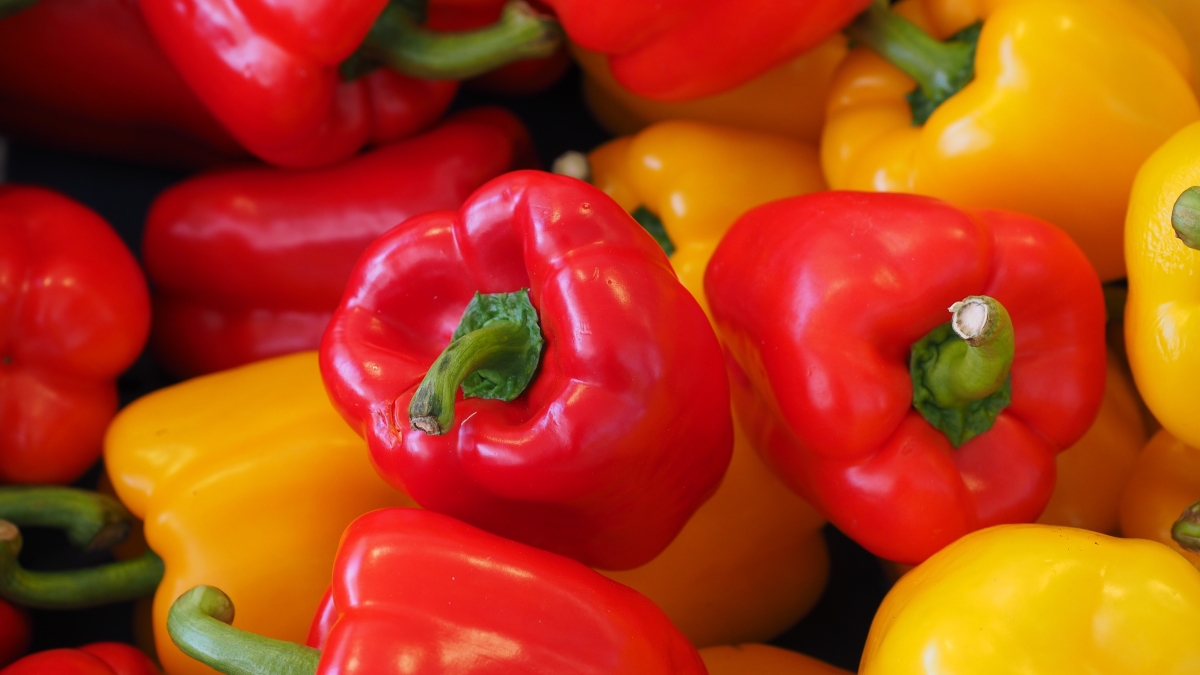
A review published in Food Reviews International brings together the latest research on chlorophyll and carotenoid degradation in pepper (Capsicum spp.), the two pigment groups responsible for fruit colour and key determinants of postharvest quality and processing stability.
The authors point out that, despite significant progress, major knowledge gaps remain. These include the molecular identification of key chlorophyll-degrading enzymes, limited functional evidence for specific enzymes involved in carotenoid breakdown, and the absence of integrated studies addressing both degradation pathways simultaneously.
The review examines enzymatic pathways, including the PAO pathway for chlorophyll degradation and the role of CCD and LOX enzymes in carotenoid breakdown, together with non-enzymatic mechanisms driven by reactive oxygen species, light, pH and metal ions. It also assesses how agricultural practices, postharvest handling, food processing technologies and environmental conditions influence pigment stability and overall fruit quality.
In addition, the authors highlight emerging technologies such as multi-omics approaches and CRISPR-Cas9 gene editing as promising tools to regulate pigment degradation, reduce postharvest losses and improve the storage stability of peppers through integrated research strategies.
Source
Wang, Y., Xu, T., Ji, J., Li, H., Chen, F., & Hu, X. (2026). Chlorophyll and Carotenoid Degradation in Pepper (Capsicum spp.): Pathways, Mechanisms, and Postharvest Implications. Food Reviews International. Taylor and Francis online.
Related news