Measurements
Chlorophyll fluorescence enables earlier detection of postharvest discoloration in potatoes and broccoli
A new study presents a chlorophyll fluorescence imaging system capable of detecting potato greening and broccoli yellowing at an early stage without damaging the produce. The technology identifies discoloration before it becomes visible, improving postharvest quality monitoring
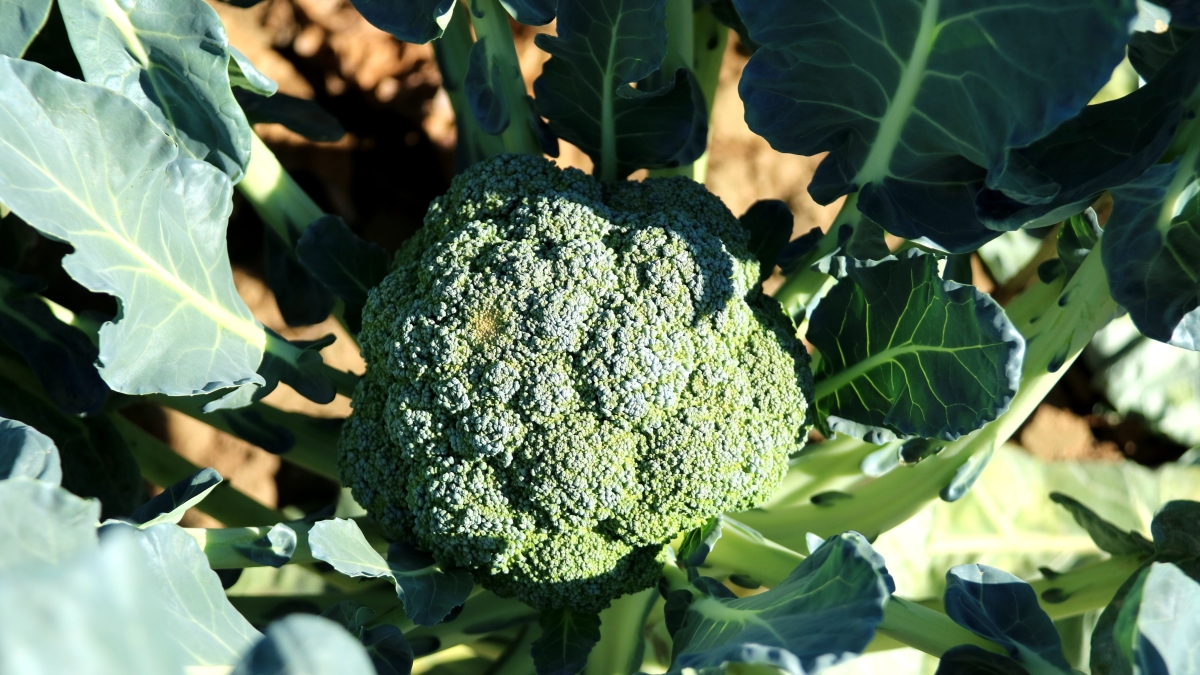
Researchers have developed a chlorophyll fluorescence imaging system that enables the early detection of postharvest discoloration in fresh produce without causing damage. The technology was validated using two representative examples: light-induced greening in potatoes and senescence-related yellowing in broccoli.
Chlorophyll is the main pigment responsible for the green colour of many fruits and vegetables and serves as an important indicator of product freshness. However, conventional visual inspections, spot colour measurements and destructive chlorophyll analyses often fail to detect the earliest stages of pigment degradation.
The new imaging system measures chlorophyll fluorescence under dark-adapted conditions by analysing the Fo, Fm and Fv/Fm parameters. Using semantic pseudo-colour maps, it provides a visual representation of both the severity and spatial distribution of discoloration. The study found that potato greening was associated with increasing fluorescence values, whereas broccoli yellowing showed the opposite trend as chlorophyll progressively degraded.
The researchers demonstrated that the technique detected potato greening one to two days before visible colour changes appeared. It also accurately monitored the progression of broccoli yellowing and identified localized discoloration patterns, such as spots and patches, that could easily be overlooked by conventional sampling methods.
According to the authors, chlorophyll fluorescence imaging offers a valuable, non-destructive tool for monitoring freshness and postharvest quality in fruits and vegetables with active chlorophyll metabolism, helping improve storage management and reduce food losses throughout the supply chain.
Source
Wang, D., Zhang, M., Zhu, Q., Bhandari, B., & Rui, L. (2026). Chlorophyll fluorescence imaging for early visual detection and measurement of postharvest discoloration: Potato greening and broccoli yellowing. Food Control. ScienceDirect
Related news