News
Olive stones find new outlets as a by-product of the olive industry
A project selected by Barcelona City Council is transforming this biomass into biochar for use in lower-carbon asphalt mixes
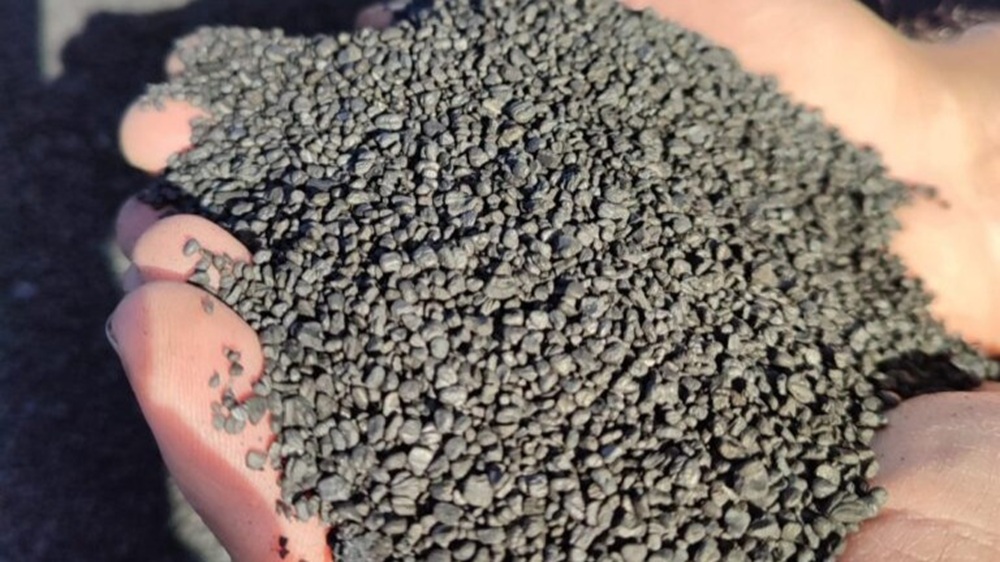
Olive stones could find new industrial applications through their conversion into biochar, a carbon-rich solid material produced through the thermochemical processing of biomass. One such use is being explored in Barcelona, where a project proposes incorporating the material into asphalt mixes for urban pavements.
The Biochar initiative was selected as one of the winning solutions in "The 21st-century street section" urban challenge, launched to support the decarbonisation of city infrastructure. The project was submitted by Agustí i Masoliver (AMSA) and Asfaltos y Construcciones Elsan (ELSAN), in collaboration with the Universitat Politècnica de Catalunya (UPC).
From olive stones to asphalt mixes
The proposal involves fully replacing the conventional filler used in asphalt mixes with biochar produced from biomass, mainly olive stones and pine residues. The material would be incorporated into the uppermost layer of the road surface.
Carboliva is supplying the project with biochar manufactured from olive stone biomass. In this way, a by-product of the olive industry is converted into a raw material for the development of new urban construction materials.
Trials carried out so far have taken place at laboratory scale. According to Carboliva, the biochar-enriched mixes have shown performance equal to or better than conventional alternatives, including improved resistance to water damage, greater toughness against cracking and suitable behaviour under temperature changes. Institutional information from Barcelona's BIT Habitat foundation also indicates that the laboratory mixes maintain the performance of conventional asphalt.
Replacing conventional materials must therefore meet both environmental targets and the technical requirements of urban pavements. The project will assess whether the results achieved in the laboratory can subsequently be maintained under real urban conditions.
An estimated emissions reduction of up to 76%
Biochar can store carbon originating from the biomass used in its production. By incorporating it into road surfaces, the project aims to reduce emissions associated with asphalt manufacturing while keeping part of this carbon locked within the material.
Carboliva estimates that the solution could reduce CO₂ emissions linked to pavement production by around 76%. BIT Habitat places the expected reduction at approximately 75% for the asphalt layers in which the material is used. These figures remain project estimates and will need to be verified during the next stages of development.
The initiative illustrates how agro-industrial by-products can enter value chains beyond the sectors in which they are generated. In this case, the valorisation of olive stones connects the olive industry with the development of construction materials designed to reduce the carbon footprint of urban infrastructure.
The approach may also be relevant to other olive-producing regions across the Mediterranean, where the processing sector generates significant volumes of olive-derived biomass and is exploring new higher-value applications for its by-products.
Prototypes in 2026 and urban trials in 2027
The project has received €90,000 in funding for its applied research and prototyping phase, which is scheduled to continue until September 2026. During this period, the asphalt formulations will continue to be developed and validated before being tested in urban spaces.
The first pilot sections using Carboliva biochar are planned for streets in Barcelona in 2027. Once installed, their performance will be monitored to assess the technology and its potential for wider use in other Spanish and European cities.
The project therefore remains at the research stage and does not yet represent the widespread use of this material across Barcelona's streets. Its development will help determine whether olive stones converted into biochar can become a viable new industrial outlet for by-products from the olive sector.
Sources
Carboliva. Information on the use of biochar produced from olive stones in asphalt mixes.
Related news