Conditioning
Short-term anoxia delays peel degreening and firmness loss in banana during postharvest storage
The study evaluates 8 and 16 hour anoxia treatments in banana during postharvest storage showing that 8 hours delay peel degreening and firmness loss through regulation of genes related to ethylene pigments and cell wall
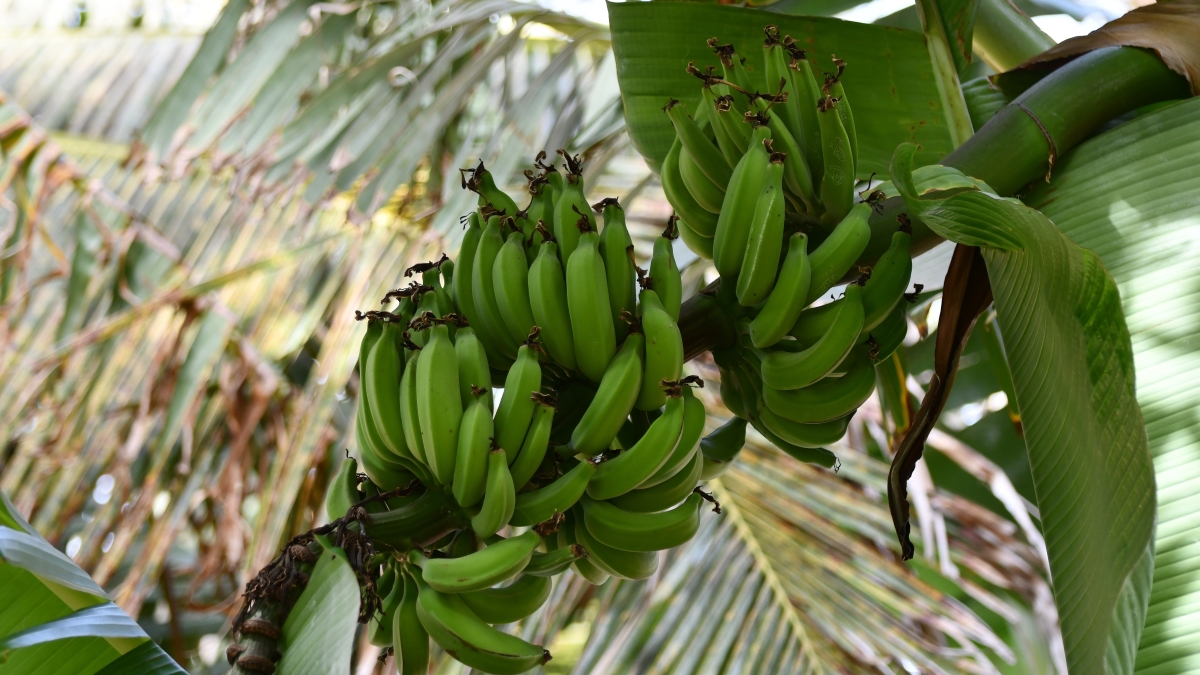
A postharvest strategy that alters fruit ripening dynamics
The study demonstrates that short-term anoxia applied during postharvest storage can significantly modify banana ripening and improve ambient storage quality
Two treatments of 8 and 16 hours were evaluated showing clear effects on peel color firmness and expression of ripening-related genes
Eight-hour treatment shows the best quality preservation
Results indicate that 8 hours of anoxia is the most effective treatment in delaying peel degreening and reducing firmness loss during ambient storage
The 16-hour treatment also improves preservation but induces a stronger stress-related transcriptional response suggesting a more intense physiological impact
Gene regulation of ethylene pigments and cell wall metabolism
At molecular level the study reports changes in genes involved in fermentation ethylene biosynthesis pigment degradation and cell wall modification
Downregulation of MaADH1 and rapid upregulation of MaADH2 were observed together with transient suppression of MaACO and reduced expression of carotenoid-related genes such as MaPSY and MaPDS as well as MaSGR contributing to delayed color change
Maintenance of firmness through reduced cell wall degradation
Firmness retention is associated with lower expression of cell wall degrading genes such as MaPG1 and MaXTH while MaGLC is upregulated only under prolonged anoxia conditions
These results indicate a direct modulation of enzymatic pathways responsible for fruit softening
Disruption of ripening coordination
Global expression analysis suggests that anoxia disrupts the normal coordination between ethylene signaling and downstream ripening pathways leading to delayed ripening progression
Source
Techavuthiporn, C., Thammawong, M., & Nakano, K. (2026). Short-term postharvest anoxia delays peel degreening and firmness loss through regulation of color- and cell wall–related genes in banana. ScienceDirect.
Related news