Cooling and CA
Cold treatment and aloe vera extend banana shelf life by five days
Combining a brief low-temperature treatment with a natural aloe vera coating helps delay ripening and preserve fruit quality during ambient storage. A 15-day trial recorded lower weight loss and better retention of several quality parameters
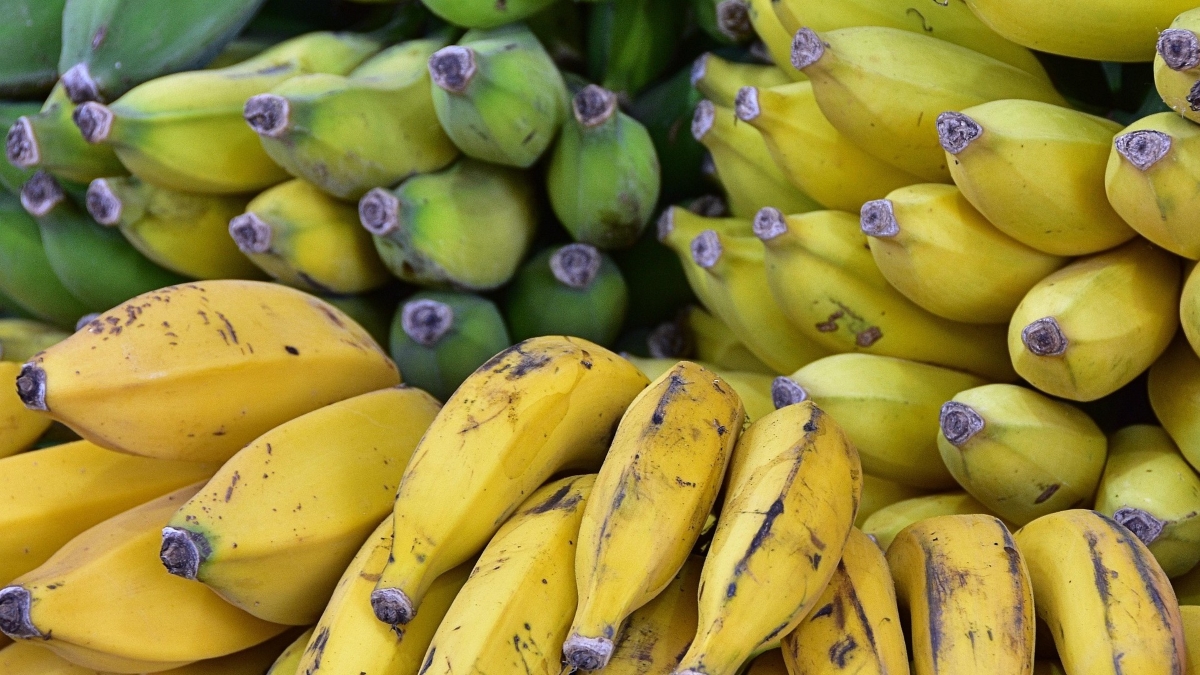
The study evaluated three postharvest treatments: a 40-minute cold shock at 0 ± 1 °C, a 20% aloe vera gel coating, and the combination of both. The fruits were subsequently stored at 31 ± 2 °C and 45–50% relative humidity, ambient conditions that typically accelerate ripening.
After 15 days of storage, the combination of cold shock and coating reduced physiological weight loss by 51.3% compared with the control treatment. It also maintained lower total soluble solids levels and reduced polygalacturonase activity by 56.2%. This enzyme is associated with cell-wall degradation and fruit softening.
The treatment also delayed chlorophyll degradation and helped maintain higher titratable acidity. In treated fruit, this parameter reached 0.253 ± 0.02%, compared with 0.057 ± 0.01% in untreated bananas. Vitamin C content and DPPH free-radical scavenging activity also remained significantly higher throughout the evaluation period.
The most notable effect was observed in shelf life: bananas receiving the combined treatment maintained their marketable quality for five days longer than the control fruit. The authors conclude that combining cold shock and aloe vera gel could offer a low-cost approach to delaying senescence and reducing postharvest losses, particularly in regions where refrigeration during storage and distribution is limited.
A technique with potential to reduce postharvest losses
The research highlights the potential of combining physical treatments and edible coatings to extend the storage life of perishable fruit. In this case, cold shock involves briefly exposing the fruit to temperatures close to 0 °C, while aloe vera gel forms a coating on its surface.
The combined application achieved better results than the individual treatments under the conditions tested. However, these are experimental findings obtained over 15 days and under specific storage conditions. Further research will be needed to assess its performance across other banana varieties, commercial scales and distribution chains.
Published in the African Journal of Science, Technology, Innovation and Development, the study highlights the potential of a strategy that combines two relatively simple treatments to improve banana preservation without relying on a continuous cold chain.
Source