Packaging
Nanochitosan and modified atmosphere packaging improve strawberry preservation
Combining an edible coating with a CO₂-enriched atmosphere reduces bacterial load and delays strawberry deterioration. An optimization model identifies suitable conditions for balancing microbial control and quality retention
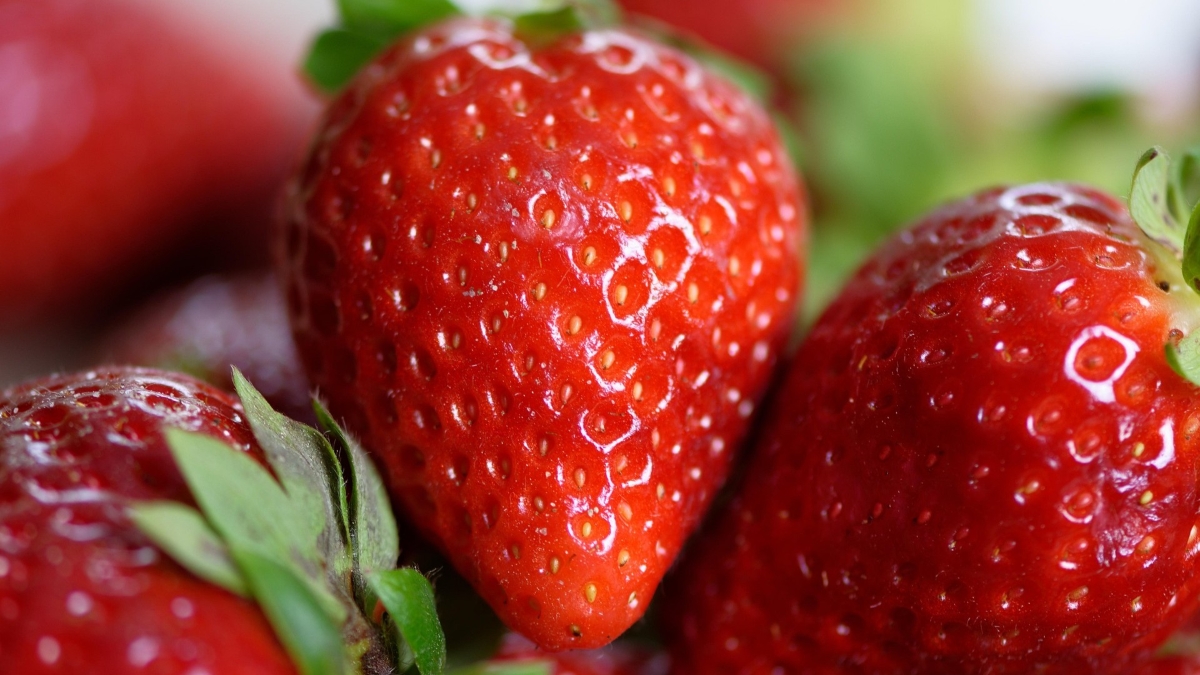
The combined application of nanochitosan edible coatings and modified atmosphere packaging (MAP) could help maintain strawberry quality during postharvest storage. This is the conclusion of a study published in Postharvest Biology and Technology, which evaluated the effects of both technologies on bacterial load and several fruit quality indicators during storage.
The research examined the influence of three factors on preservation: carbon dioxide (CO₂) concentration inside the package, the proportion of nanochitosan used in the coating, and storage duration. To do so, the researchers applied response surface methodology based on a face-centred central composite experimental design.
The variables analysed included total aerobic mesophilic bacterial counts, antioxidant activity, vitamin C content, total phenolic content and anthocyanin retention. These parameters make it possible to assess both microbiological changes and the retention of compounds associated with the nutritional and functional quality of strawberries.
Reduced bacterial growth and improved retention of bioactive compounds
The results showed that combining nanochitosan and modified atmosphere packaging significantly reduced total aerobic mesophilic bacterial counts and delayed quality deterioration compared with the individual treatments.
This behaviour suggests a complementary effect between the two technologies. On the one hand, the nanochitosan coating acts as a surface barrier with the potential to limit microbial development. On the other, modifying the gas composition inside the package makes it possible to adjust the product's storage conditions.
The study also developed mathematical models to predict the response of the different indicators analysed. The quadratic models achieved coefficients of determination equal to or greater than 0.975, indicating a high level of fit to the experimental data and allowing outcomes to be estimated under different treatment combinations.
Optimization identifies suitable preservation conditions
By simultaneously optimizing microbiological and quality variables, the researchers identified an optimal combination of 54.6% CO₂, a 2% nanochitosan coating and a storage period of 6.1 days.
This combination provided a balance between bacterial load reduction and the retention of the quality parameters considered in the study. The findings support the potential of integrating nanochitosan coatings and modified atmosphere packaging as a preservation strategy for fresh strawberries.
In addition to offering a technological alternative for delaying deterioration, the research provides a predictive model that could help adjust packaging and treatment conditions according to preservation objectives. However, the identified conditions correspond to the experimental optimization carried out, and their application at commercial scale and under different distribution and storage conditions will require further evaluation.
Source
Hazbawi, I., & Etezadi, H. (2026). Optimization of nanochitosan coating and modified atmosphere packaging for bacterial load control and quality preservation of strawberry during postharvest storage. Postharvest Biology and Technology. https://doi.org/10.1016/j.postharvbio.2026.114756