Genetics could help blueberries retain bioactive compounds after harvest
An analysis of 165 genotypes has identified differences in the amount and composition of flavonoids and phenolic acids during cold storage. The findings support the use of genomic selection to develop cultivars that better retain their nutritional value
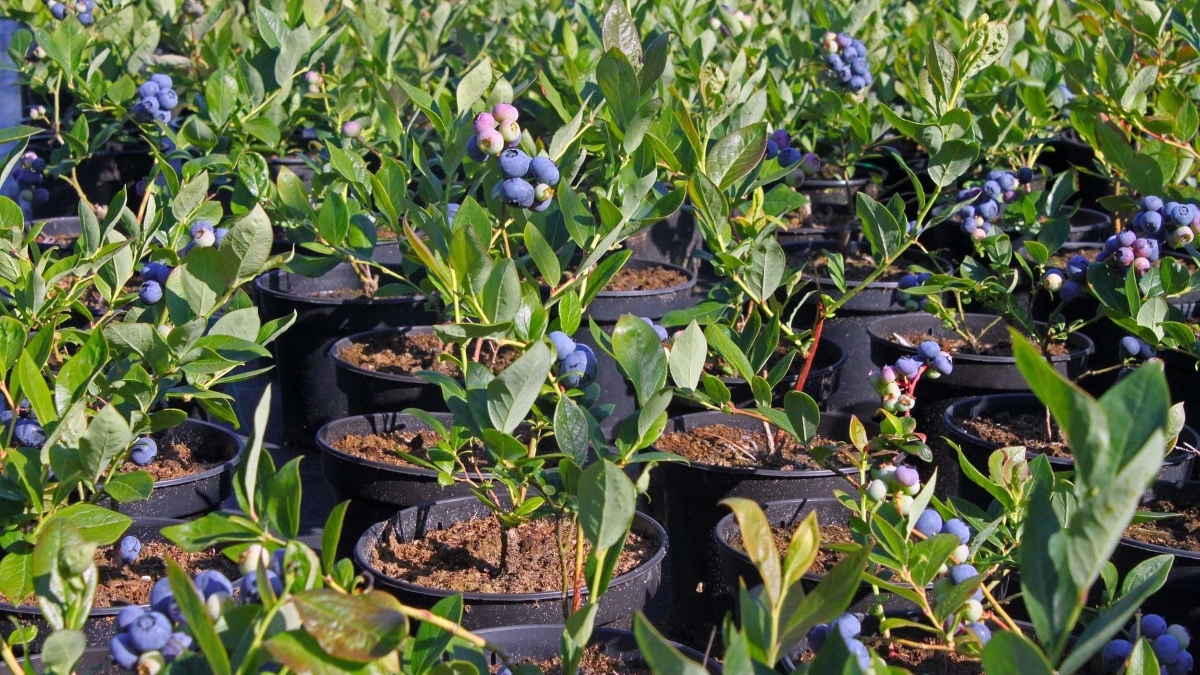
The research analysed 165 advanced southern highbush blueberry genotypes and assessed changes in their bioactive compounds after one day and seven weeks of storage at 1°C. The study examined flavonoid and phenolic acid profiles using longitudinal statistical models combined with genomic information.
The results revealed substantial differences between genotypes, both in the concentration and composition of these metabolites. Although most compound groups generally declined during extended storage, their behaviour was not consistent across all genetic backgrounds. Some genotypes retained certain compounds more effectively and even showed increases in specific flavonoids.
The analysis also identified moderate to high heritability for many of the traits studied. This indicates that genetics has a significant influence on bioactive compound levels and their behaviour during postharvest storage, meaning these characteristics could be incorporated into breeding programmes.
Storage responses depend on genotype
One of the study's key findings is the interaction between genotype and storage time. For most metabolites, changes differed according to genetic background, highlighting that storage conditions do not affect all blueberry genotypes in the same way.
At population level, flavonoids generally tended to decrease after seven weeks at 1°C. However, some groups, such as flavonol glycosides and methylated flavonols, included genotypes in which concentrations increased during this period. These differences show that plant material selection can influence the retention of certain nutritional compounds throughout the supply chain.
The study also examined the relationship between bioactive compounds and other quality parameters, including berry size, firmness, soluble solids content, acidity and yield. No significant associations were found between metabolite profiles and the main fruit quality attributes in this breeding population. This suggests that blueberries could potentially be selected for improved phytochemical profiles without necessarily compromising other commercial characteristics.
Genomic prediction as a tool for breeding
The team evaluated genomic prediction models to estimate the ability of different genotypes to retain bioactive compounds during storage. Prediction accuracy varied depending on the approach used.
When the models attempted to predict the performance of new plants without previous phenotypic data, prediction ability was generally low, with values close to 0.2. However, incorporating information collected at the first assessment improved predictions for seven weeks of storage, reaching values between 0.42 and 0.75 for most of the traits analysed.
This difference highlights the value of combining genomic data with measurements taken before storage. The approach could help breeding programmes identify promising plant material earlier, particularly genotypes with greater potential to retain nutritional properties during distribution and marketing.
The authors suggest that integrating metabolomic, transcriptomic and phenotypic information in future studies would provide a deeper understanding of the mechanisms regulating changes in these compounds after harvest. The long-term aim is to develop blueberry cultivars that maintain favourable bioactive profiles throughout extended storage and transportation.
Source
Tavares Flores, E., Casorzo, G., Adunola, P., Strauch, R., Grace, M., Lila, M. A., Azevedo, C. F., Ferrão, L. F., & Munoz, P. R. (2026). Genetic control underlying dynamics of blueberry bioactive compounds during postharvest can drive breeding for functional fruits. The Plant Genome, 19(4), e70317. https://doi.org/10.1002/tpg2.70317