Cooling and CA
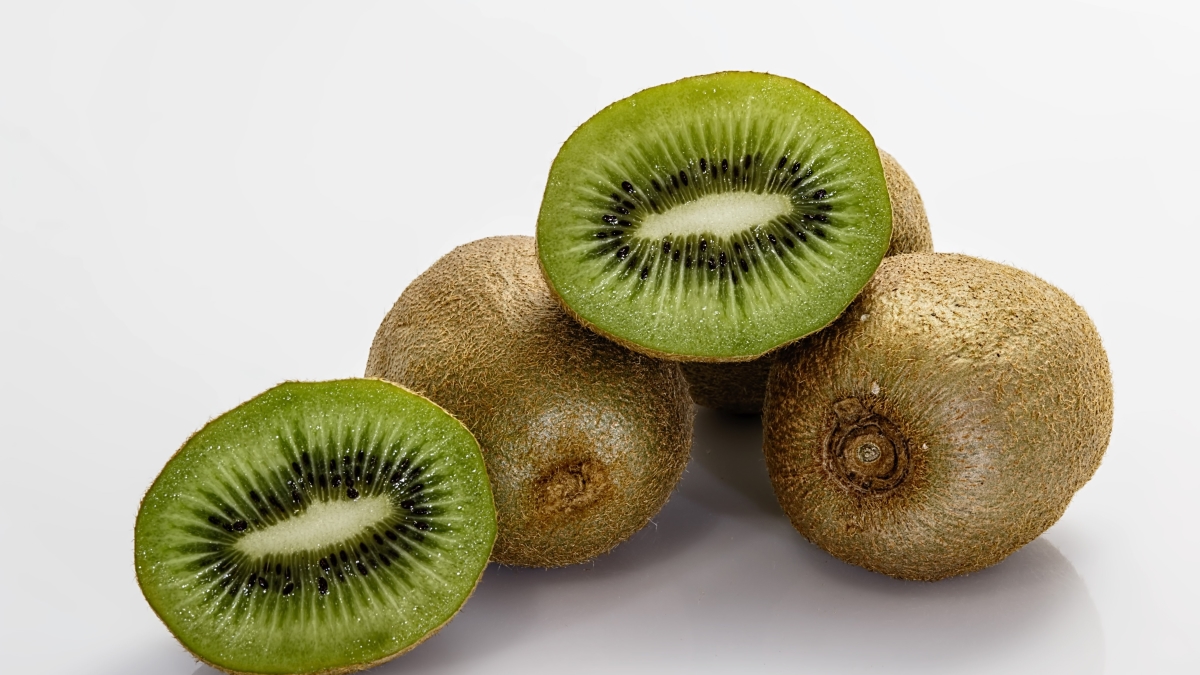
Controlled atmosphere with 4% CO₂ improves storage of Jinyan kiwifruit
A study has identified the sensitivity of ‘Jinyan’ kiwifruit to low CO₂ concentrations during storage. Results show that an atmosphere containing 5% O₂ and 4% CO₂ better preserves firmness, reduces quality losses and lowers decay incidence during storage
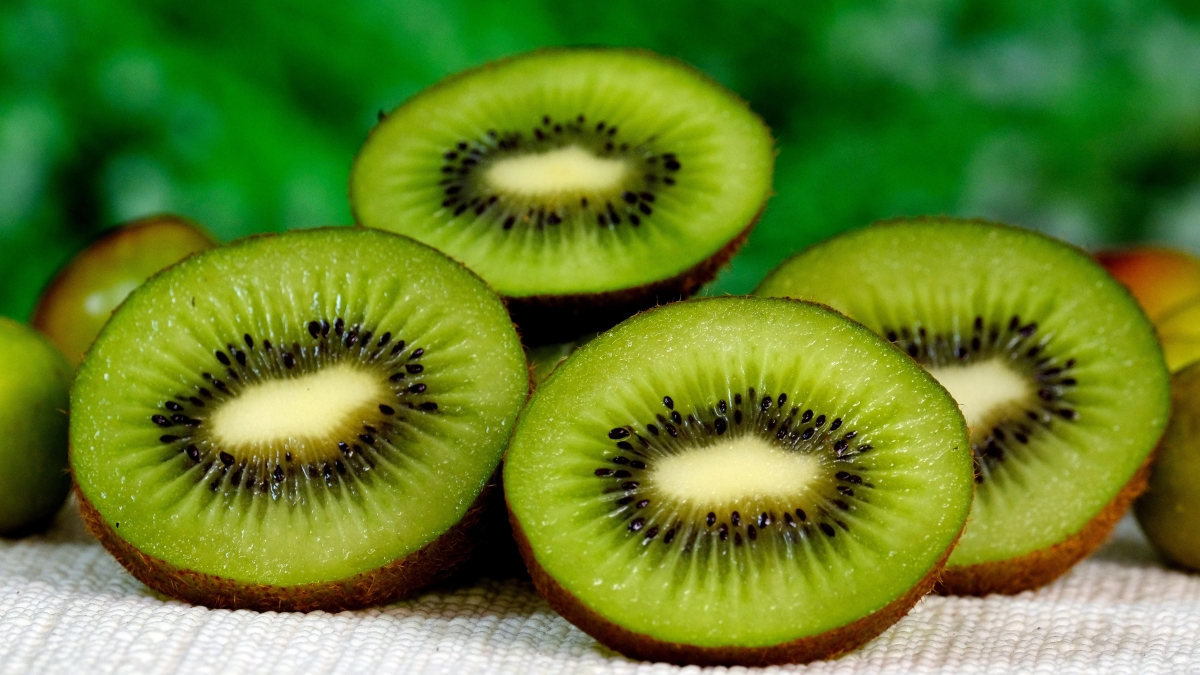
The challenge of storing Jinyan kiwifruit
‘Jinyan’ kiwifruit is valued for its flavour and storage potential, but it tends to soften rapidly and is susceptible to postharvest decay.
Researchers evaluated different carbon dioxide concentrations under controlled atmosphere conditions to improve storage performance.
Assessing different CO₂ levels
Fruit was stored at 1 °C under 5% oxygen with CO₂ concentrations ranging from 1% to 4%, alongside air and 1-MCP controls.
The study revealed that this cultivar is particularly sensitive to low CO₂ levels.
Risks associated with low CO₂
Storage under 2% CO₂ caused abnormal softening and reduced the activity of the antioxidant enzyme superoxide dismutase (SOD) within the first 40 days.
These findings indicate a critical safety threshold between 2% and 3% CO₂, creating potential risks under commercial conditions where gas concentrations may fluctuate.
Better performance with 4% CO₂
The atmosphere containing 5% O₂ and 4% CO₂ delivered the best storage results.
This treatment delayed losses of firmness, acidity and vitamin C while reducing decay incidence by 43.7% after 200 days of storage.
Kinetic analysis also showed a 39.2% reduction in fruit softening rate.
Recommendation for commercial storage
The researchers recommend a maximum storage period of 160 days under 1 °C, 5% O₂ and 4% CO₂.
Under these conditions, fruit maintained higher firmness, lower decay levels and better flesh colour retention, providing a safety margin against low-CO₂ injury.
Source
Sipu Zhang, Jiajia Niu, Wei Cui, Ke Zhang, & Yunfeng Lu. (2026). Effects of CO₂ Concentration on Postharvest Quality of ‘Jinyan’ Kiwifruit Under Controlled Atmosphere Storage: Evidence of Low CO₂ Sensitivity. Horticulturae, 12(6), 725. Artículo en Horticulturae (MDPI)