Measurements
Volatile biomarkers enable early detection of postharvest diseases in kiwifruit
A study has identified volatile organic compounds that act as early biomarkers for major postharvest diseases in kiwifruit. Using artificial intelligence, researchers developed a model capable of detecting gray mold, soft rot and anthracnose with 100% accuracy
Towards early detection of postharvest diseases
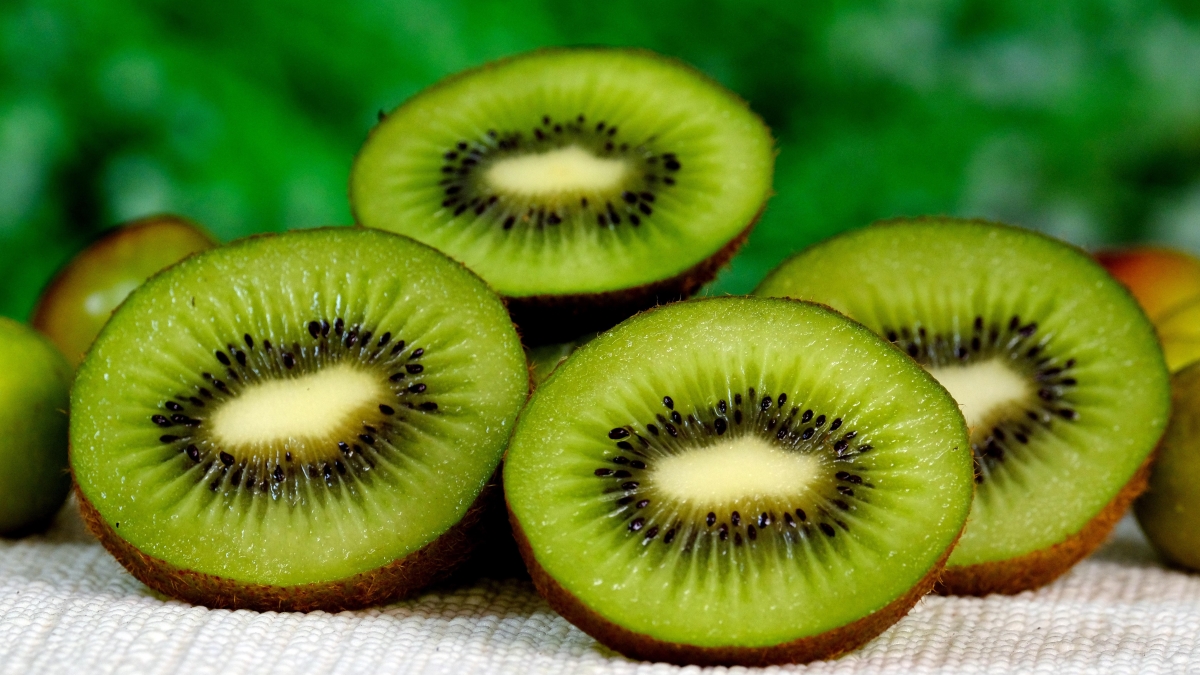
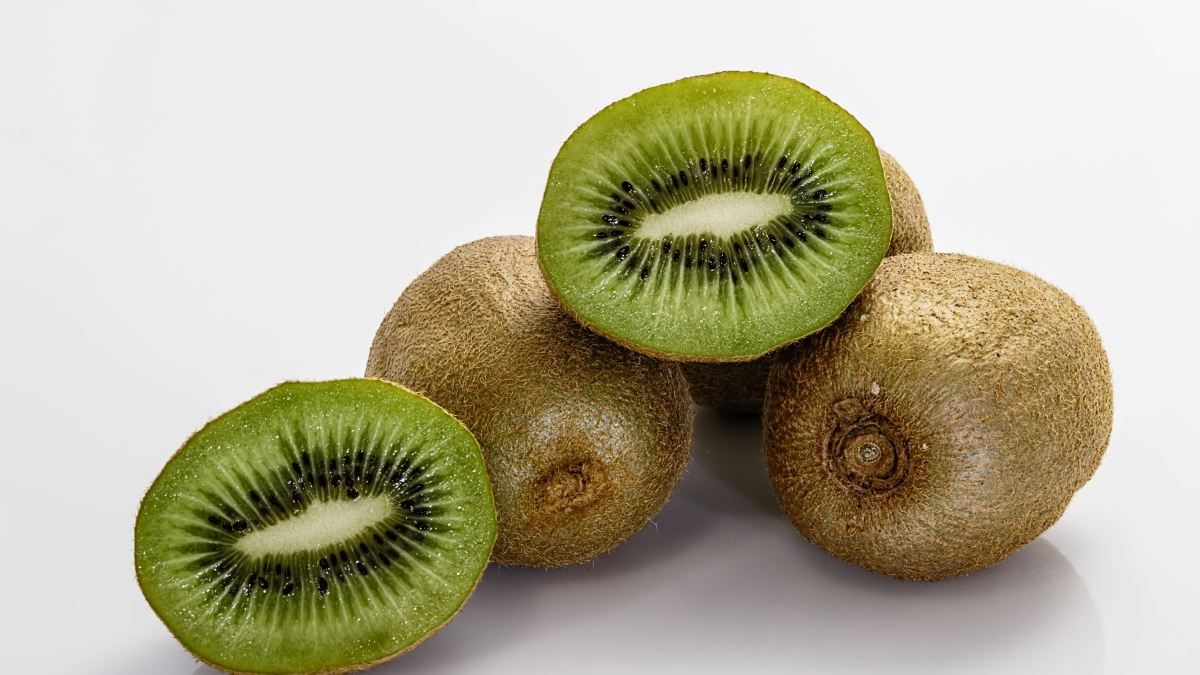
Kiwifruit is highly susceptible to fungal infections after harvest, leading to significant losses during storage and marketing.
To improve early disease detection, researchers investigated the evolution of volatile organic compounds (VOCs) associated with major postharvest diseases.
Analysis of three key diseases
The study focused on gray mold, soft rot and anthracnose.
Using headspace solid-phase microextraction coupled with gas chromatography-mass spectrometry (HS-SPME/GC-MS), VOC changes were monitored over a period of 0 to 7 days after infection.
Researchers identified 101 volatile compounds in gray mold-infected fruit, 90 in soft rot and 85 in anthracnose.
Identification of specific biomarkers
Dynamic analysis revealed distinct accumulation patterns and critical transition points for VOCs associated with each disease.
Characteristic biomarkers were identified for different infection stages, enabling early differentiation among the three pathologies.
Artificial intelligence for diagnosis
Based on these biomarkers, the research team developed a backpropagation artificial neural network (BP-ANN) model.
The system enabled early and accurate recognition of the diseases under study.
100% identification accuracy
The model achieved an overall success rate of 100% in distinguishing gray mold, soft rot and anthracnose.
According to the authors, this work fills an important research gap in the early detection of postharvest diseases in kiwifruit.
Supporting disease management
Early identification of infections can facilitate timely intervention, helping reduce pathogen spread and minimize economic losses during storage and distribution.
Source
Zhengfeng Liu, Yuhan Zhu, Lan Yang, Qingchao Gao, Siyu Zhang, Fen Zhang, Zhishuang Ma, Xueyan Ren, & Qingjun Kong. (2026). Dynamic analysis of volatile biomarkers for three types of postharvest diseases in kiwifruit and construction of early diseases identification model. Postharvest Biology and Technology. Artículo en ScienceDirect