Phytosanitaries
Cold plasma improves postharvest quality and disease resistance in cherry tomatoes
A study shows that cold plasma treatment using a dielectric barrier discharge system improves postharvest quality and enhances resistance to gray mold in cherry tomatoes. The technology reduces microbial load, preserves firmness and activates the fruit’s natural defense mechanisms
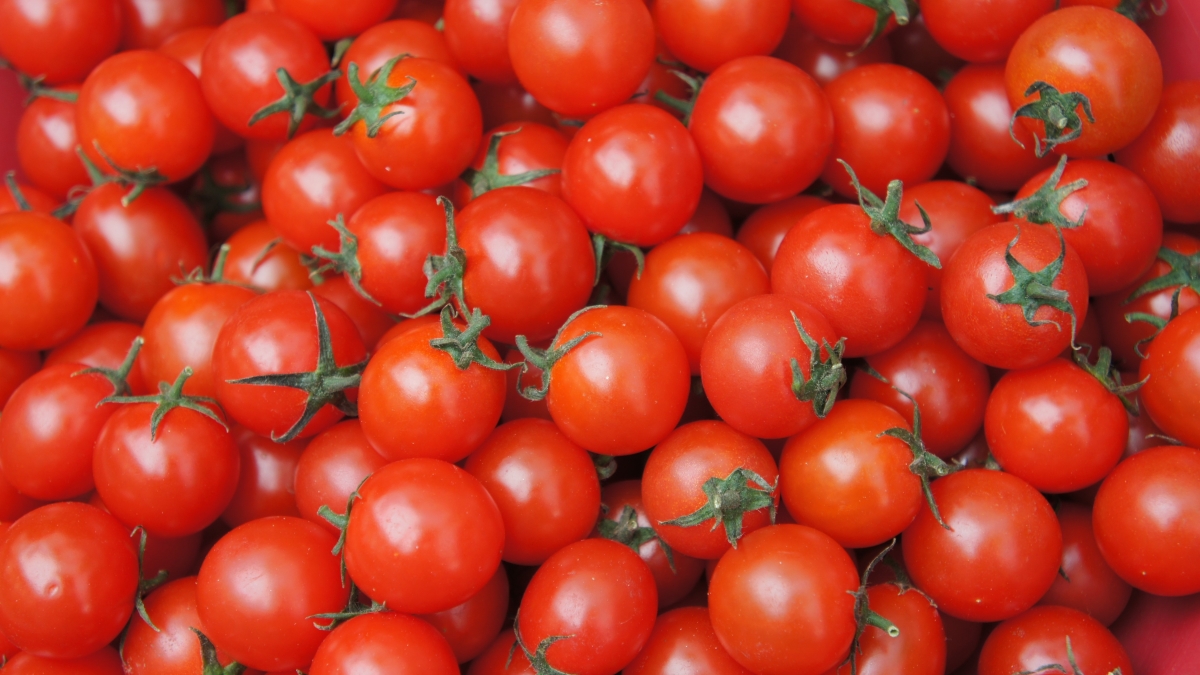
Cold plasma as a postharvest tool
Cold plasma technology is attracting increasing attention as a solution for improving the storage life of fresh produce.
A recent study evaluated the use of a dielectric barrier discharge (DBD) system in cherry tomatoes to assess its effects on fruit quality and resistance to gray mold (Botrytis cinerea).
Improved quality during storage
The results showed that cold plasma treatment helped preserve several quality parameters throughout storage.
Application at 41.5 kV for three minutes increased lycopene content by 27.02% compared with untreated fruit.
The treatment also reduced microbial populations, lowering bacterial counts by 0.31 log CFU/g and fungal counts by 0.36 log CFU/g.
Reduced weight loss and better firmness
Cold plasma treatment mitigated weight loss during storage and delayed the decline in fruit firmness.
Researchers also observed a slower reduction in soluble solids content, helping maintain overall fruit quality.
Enhanced resistance to gray mold
The strongest disease-control effect was achieved with a treatment of 31.4 kV for 3.6 minutes.
Under these conditions, lesion size caused by Botrytis cinerea decreased by 35% compared with untreated fruit.
Activation of defense mechanisms
Cold plasma stimulated the activity of several defense-related enzymes, including POD, SOD, CAT, APX, PAL and C4H.
Changes were also detected in enzymes associated with respiration and cell wall metabolism, with increased SDH and CCO activity and reduced PG and Cx activity.
Potential for tomato preservation
The researchers conclude that cold plasma offers significant potential as a postharvest technology for cherry tomatoes.
The findings provide physiological and biochemical evidence supporting its ability to maintain quality, reduce disease incidence and extend storage life.
Source
Miaomiao Ge, Ruirui Qiu, Xinzhi Fang, Ling Li, & Jian Guo. (2026). Cold plasma treatment enhanced defense responses against gray mold and enhances postharvest quality in cherry tomatoes. Food Research International. Artículo científico en ScienceDirect