Cooling and CA
High-voltage electrostatic fields improve Yu Lu Xiang pear storage quality
High-voltage electrostatic field treatment helped preserve firmness, maintain soluble solids and delay ripening processes in Yu Lu Xiang pears, providing a non-chemical solution to extend postharvest storage life
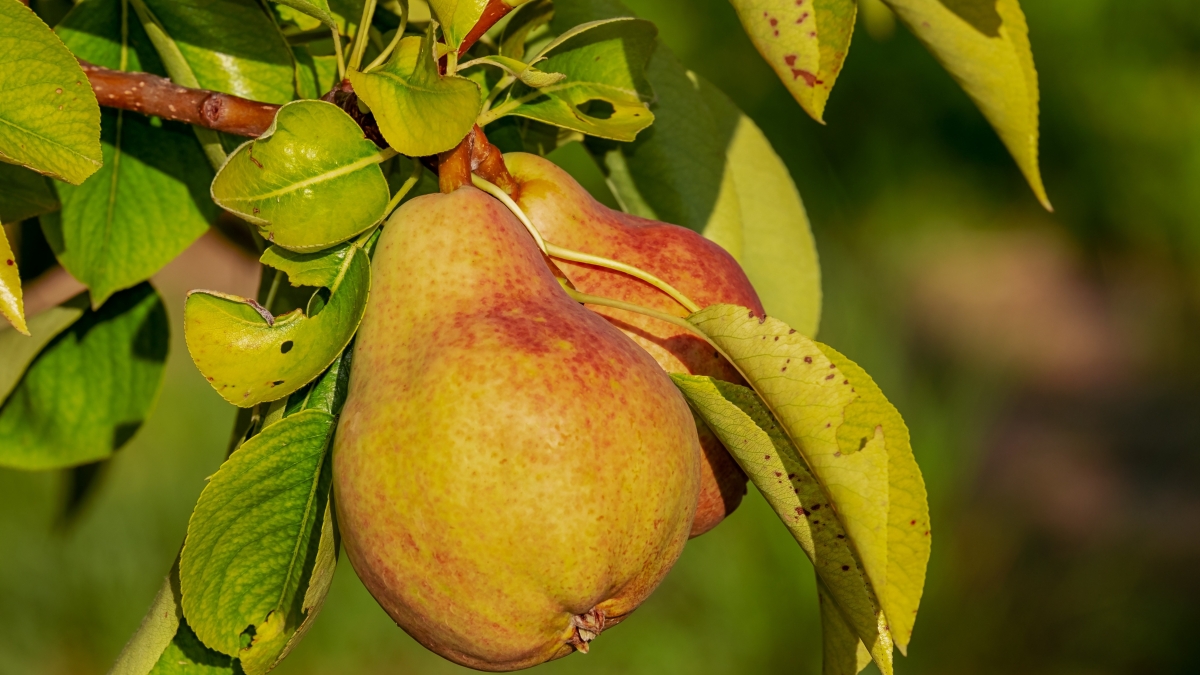
Maintaining pear quality during storage remains a major challenge for the fruit industry. To identify new preservation strategies, researchers evaluated the effects of high-voltage electrostatic field treatment on the storage quality and postharvest physiology of Yu Lu Xiang pears.
The experiments were conducted under storage conditions of 24 °C and 85–90 % relative humidity. Fruits were exposed to three electric field intensities—50, 100 and 150 kV/m—for treatment periods of one, two and three hours. After treatment, the pears were stored for 45 days and compared with untreated control fruit.
Several quality and physiological parameters were monitored throughout the storage period, including firmness, soluble solids content, color development, respiration rate and ethylene production, which plays a central role in fruit ripening.
The findings revealed that treatment at 100 kV/m was the most effective in preserving fruit firmness and maintaining soluble solids content. Meanwhile, the 50 kV/m treatment achieved the greatest reduction in respiration rate and ethylene release, helping to slow ripening and senescence processes.
Among all the combinations tested, applying a 100 kV/m electrostatic field for one hour delivered the best overall performance, effectively delaying quality deterioration and extending storage life.
According to the authors, high-voltage electrostatic field technology represents a practical and effective postharvest preservation method capable of maintaining pear quality and improving storage performance without relying on chemical treatments.
Source
Li, Z. M., Zhang, S. J., Cui, Z. H., Ran, S. M., Yang, S., & Wang, Y. (2026). Effects of high voltage electrostatic field treatment on the storage quality and postharvest physiology of Pyrus 'Yu Lu Xiang'. China Fruits, 3, 39–44. CAB International. CABI Digital Library.
Related news