Cooling and CA
Salicylic acid preserves blueberry aroma and postharvest quality
Salicylic acid treatment delayed postharvest deterioration in blueberries by preserving firmness, reducing decay and maintaining important phenolic compounds and aroma-related volatiles during cold storage
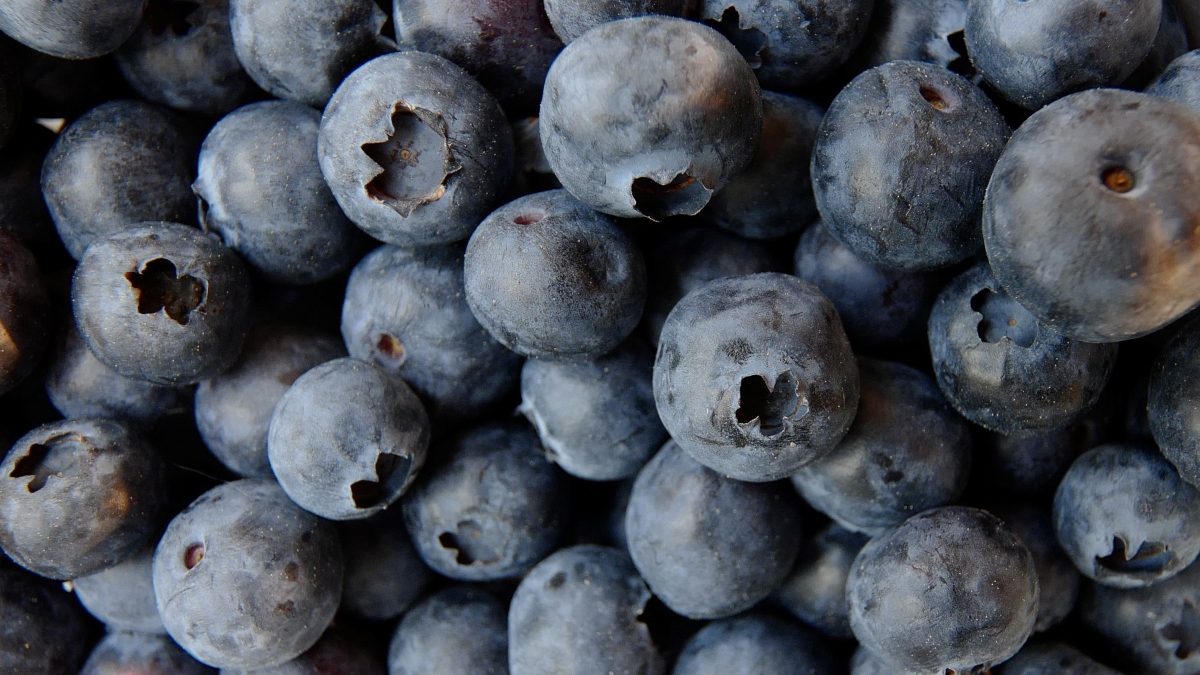
Salicylic acid may offer an effective solution for extending blueberry shelf life and preserving fruit quality after harvest. A recent study evaluated the impact of different salicylic acid concentrations on blueberry storage performance during a 20-day cold storage period.
Blueberries are highly susceptible to softening, flavor loss and decay after harvest. To address these challenges, researchers tested several treatment concentrations and found that 1 mmol L⁻¹ salicylic acid provided the most effective protection against quality deterioration.
The treated fruit maintained a more attractive appearance, showed lower decay incidence and experienced a slower decline in firmness compared with untreated blueberries. In addition, higher levels of total soluble solids and titratable acidity were preserved, helping to maintain the sensory quality valued by consumers.
The research also demonstrated that salicylic acid slowed the degradation of important bioactive compounds. Higher concentrations of total phenols, flavonoids, anthocyanins and phenolic acids, including chlorogenic, caffeic and ferulic acids, were retained throughout storage, enhancing the nutritional and antioxidant value of the fruit.
A particularly significant finding was the preservation of aroma-related compounds. Blueberries treated with salicylic acid maintained higher levels of volatile organic compounds such as linalool and geraniol, which contribute to the characteristic aroma profile of fresh fruit.
According to the authors, this effect is linked to the regulation of key enzymes involved in volatile compound biosynthesis and degradation. By modulating these biochemical pathways, salicylic acid helped stabilize aroma metabolism and reduce the loss of sensory quality during storage.
The researchers conclude that salicylic acid treatment represents a promising and environmentally friendly postharvest strategy capable of preserving fruit quality, maintaining nutritional compounds and protecting aroma characteristics in blueberries during refrigerated storage.
Source
Cao, S., Jin, J., Yang, Y., Zhao, Z., Li, J., Luo, D., & Ba, L. (2025). Salicylic acid enhances postharvest blueberry quality by maintaining phenolic acids and improving aroma volatiles during storage. Food Quality and Safety.
Related news