Cooling and CA
Hot water and cold storage extend jujube shelf life
A 50 °C hot water treatment combined with 14 °C cold storage reduced jujube deterioration enhanced antioxidant defenses and extended postharvest shelf life
Heat treatment combined with refrigeration delays senescence
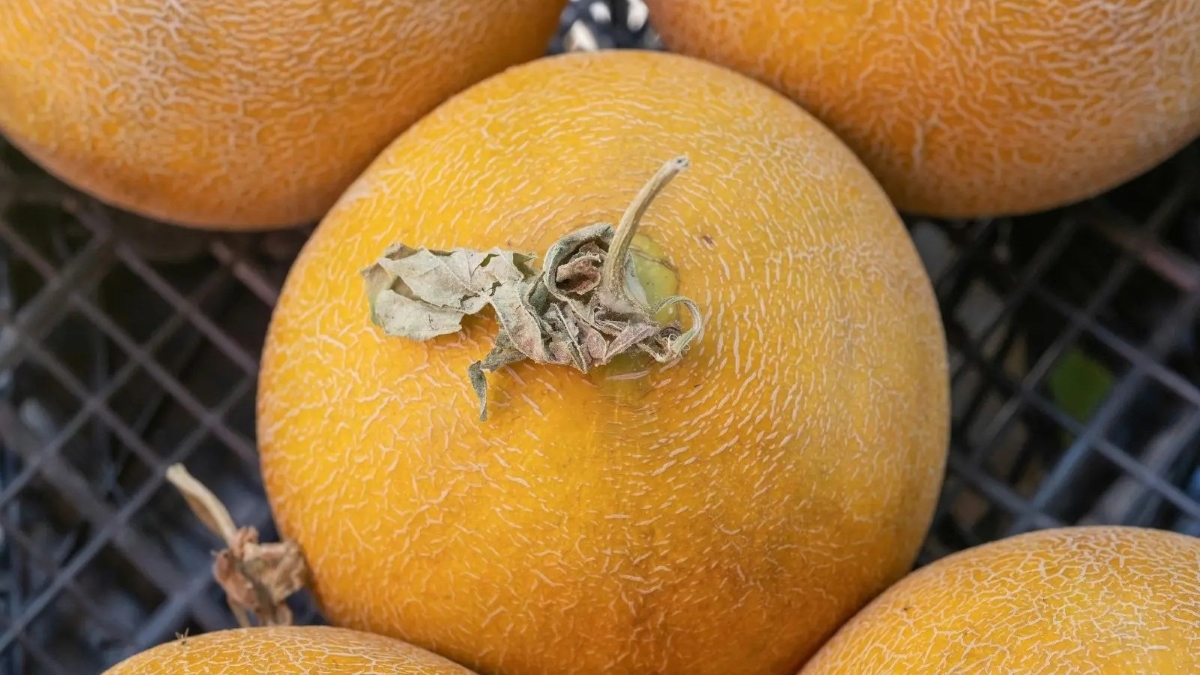
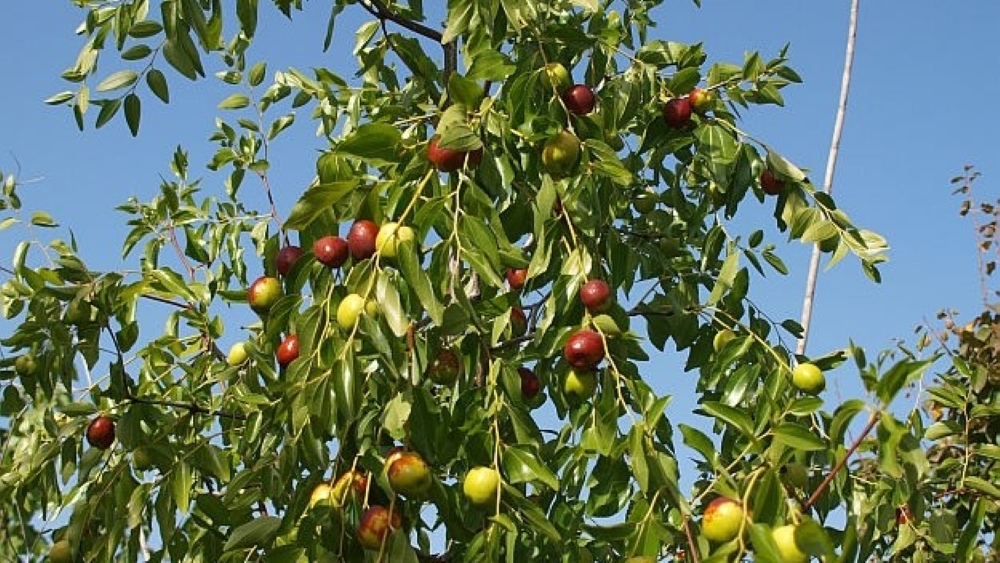
Jujube (Ziziphus mauritiana Lamk.) is a nutritious and climate-resilient fruit, but its commercial value is limited by rapid postharvest deterioration. A recent study evaluated whether combining hot water treatments with refrigerated storage could improve fruit quality and extend shelf life.
Researchers tested hot water treatments at 40, 45 and 50 °C combined with either ambient storage (26 ± 1 °C) or refrigerated storage (14 ± 1 °C) for 30 days, assessing physicochemical quality, oxidative metabolism and antioxidant responses.
Reduced weight loss and improved quality retention
As storage progressed, fruit weight loss increased while soluble solids rose and titratable acidity declined, reflecting normal ripening and senescence.
The 50 °C hot water treatment proved the most effective, reducing weight loss from 18.79% in untreated fruit to 15.02% while maintaining higher levels of ascorbic acid.
Enhanced antioxidant protection
The treatment significantly reduced hydrogen peroxide and malondialdehyde accumulation while increasing the activity of antioxidant enzymes, including superoxide dismutase, catalase, peroxidase and ascorbate peroxidase.
These responses strengthened the fruit's antioxidant defense system, limiting oxidative damage and delaying senescence during storage.
An effective postharvest strategy
According to the researchers, combining a 50 °C hot water treatment with refrigerated storage at 14 °C offers the best strategy for preserving jujube quality after harvest.
The approach delays senescence, maintains physicochemical quality, enhances antioxidant protection and significantly extends commercial shelf life, providing a practical and low-cost solution for postharvest management.
Source