Processing
Sustainable strategies improve postharvest preservation of edible mushrooms
A review highlights innovative sustainable technologies that extend the postharvest life of edible mushrooms while preserving quality and reducing food losses
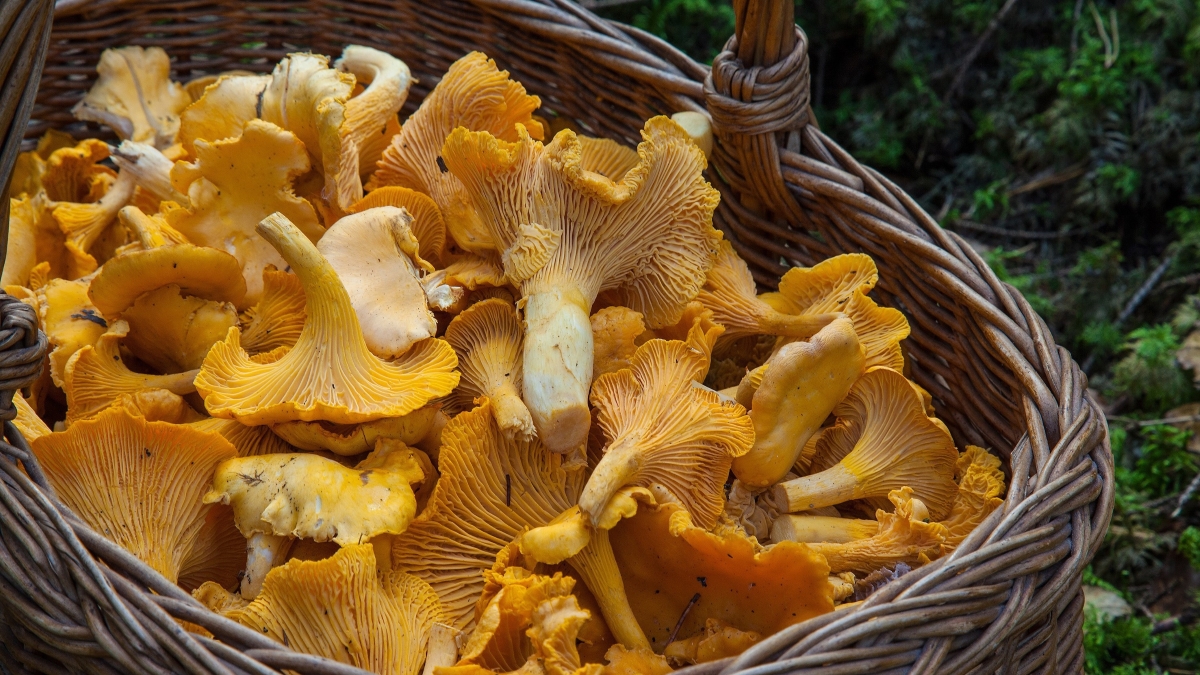
High moisture shortens shelf life
Edible and medicinal mushrooms are highly valued for their nutritional composition and bioactive compounds, but their very high moisture content and intense metabolic activity after harvest make them extremely perishable.
These characteristics accelerate physiological deterioration and microbial spoilage, limiting storage, transport and market distribution.
Emerging alternatives to conventional preservation
Traditional preservation methods such as drying, freezing and marination remain widely used, but research is increasingly focused on innovative technologies that preserve fresh mushroom quality for longer periods.
Cold plasma has emerged as one of the most promising solutions, effectively reducing microbial growth without chemical residues or thermal damage.
Edible coatings and intelligent packaging
Natural biopolymer-based edible coatings made from chitosan, alginate and starch help reduce moisture loss, delay enzymatic browning and preserve mushroom texture and nutritional quality.
Active and intelligent packaging systems further improve storage by controlling humidity, releasing antimicrobial compounds and monitoring product quality throughout distribution.
Advanced preservation technologies
Other emerging approaches include antimicrobial photodynamic therapy and electrostatic treatments, both of which have demonstrated the ability to suppress microbial development while maintaining sensory quality.
Circular economy solutions
The review also highlights biodegradable packaging materials and natural preservatives obtained from food industry by-products as sustainable preservation alternatives consistent with circular economy principles.
Combined with advanced monitoring technologies, these innovations can significantly reduce postharvest losses while improving food system sustainability.
Source
Innovative and sustainable postharvest preservation strategies for edible and medicinal mushrooms. (2026). CRORIS – Croatian Scientific Bibliography. https://www.croris.hr/crosbi/publikacija/prilog-skup/951454
Related news