Cooling and CA
How rapid cooling improves the postharvest quality of pears and peaches
A study published in Journal of Food Science and Technology analyses the effect of hydrocooling on the quality, aroma, texture and biochemical attributes of ‘Conference’ pears and ‘Sweet Dream’ peaches
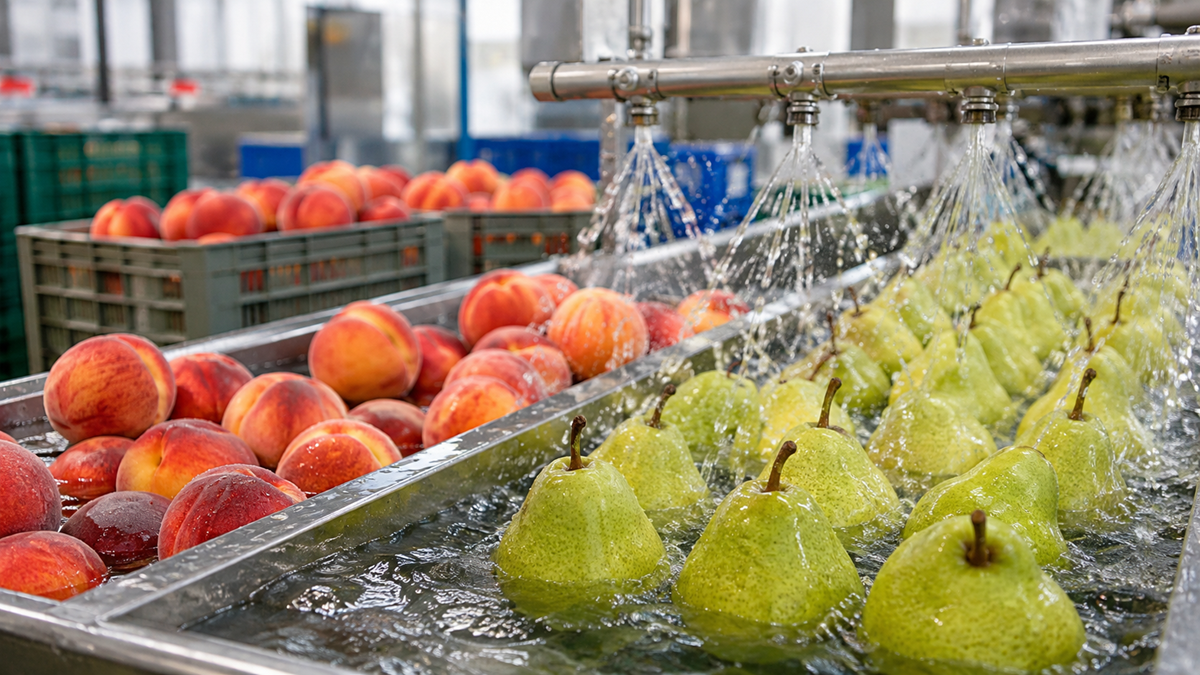
Hydrocooling can be an effective tool for preserving the postharvest quality of pears and peaches, especially when applied as a rapid precooling treatment after harvest. This is highlighted in the article “Effect of hydrocooling on postharvest quality, aroma and biochemical attributes of ‘Conference’ pears and ‘Sweet Dream’ peaches”, published in Journal of Food Science and Technology.
The study, carried out by Laia Torregrosa and Gemma Echeverria, evaluated the effect of hydrocooling on ‘Conference’ pears and ‘Sweet Dream’ peaches, two commercially important European cultivars commonly stored under cold conditions to maintain quality. Gemma Echeverria is affiliated with IRTA Postharvest, Fruitcentre, in Lleida.
Rapid cooling to slow deterioration
Pears and peaches are highly perishable fruits, and high temperatures at harvest accelerate metabolic activity and postharvest deterioration. The article points out that immediate precooling is essential to remove field heat, slow physiological processes and extend shelf-life. Even short delays in cooling can reduce commercial life and increase losses.
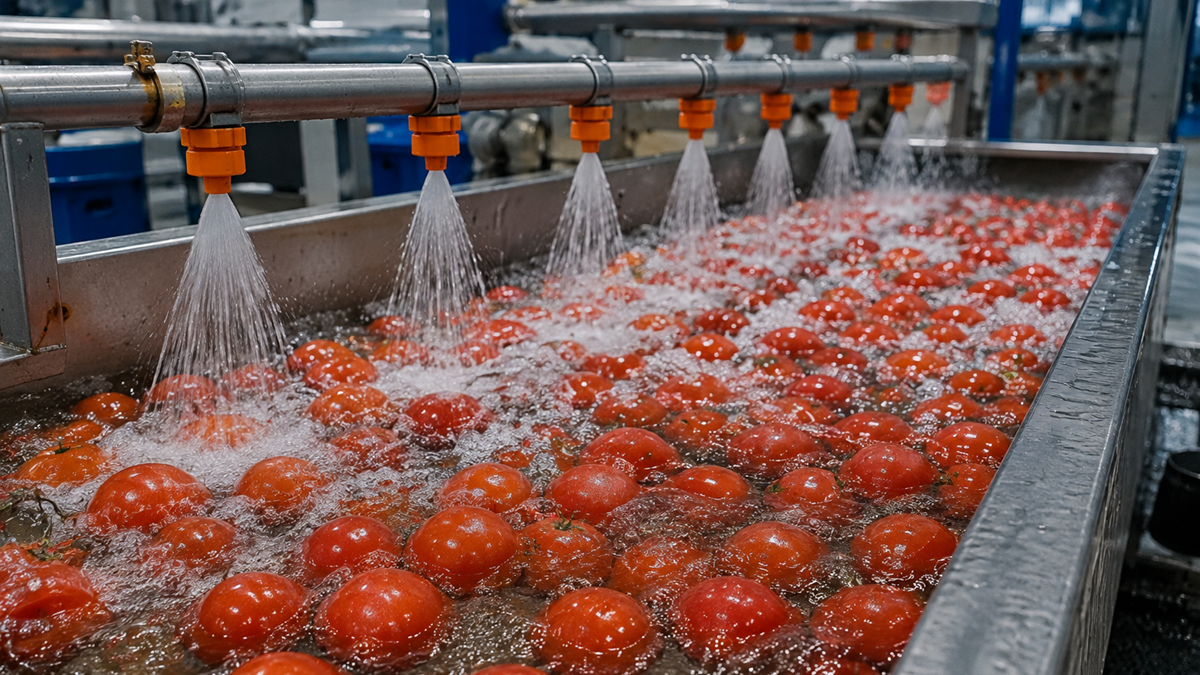
Hydrocooling stands out for its high efficiency, as it removes heat faster than air-based techniques. It also provides a hydration effect that can reduce shrivelling and improve the appearance of slightly dehydrated fruit.
‘Conference’ pears and ‘Sweet Dream’ peaches
In the trial, pears and peaches were harvested from a commercial orchard near Lleida. Pears were stored for 5 months under normal cold storage and for 7 months under controlled atmosphere, while peaches were kept for 15 and 30 days under normal cold storage. After storage, the fruit underwent shelf-life periods at 20 ºC.
The treatments compared fruit cooled directly in a cold room with fruit subjected to hydrocooling until fruit core temperature was reduced by 10 ºC or 15 ºC. The 10 ºC reduction treatment, known as H10, most often showed the most favourable results.
Better quality retention and fewer disorders
The results indicate that hydrocooling slowed ripening, preserved sensory and nutritional quality and helped reduce losses. Overall, the H10 treatment was particularly effective during long-term storage, maintaining firmness, total soluble solids and titratable acidity.
Hydrocooling also reduced the incidence of physiological disorders. In ‘Conference’ pears, it reduced problems such as black spot and superficial scald; in ‘Sweet Dream’ peaches, it reduced internal browning and flesh bleeding.
Aroma, antioxidants and sensory perception
The study included a broad assessment of fruit quality, covering physicochemical parameters, respiration, ethylene production, antioxidant capacity, phenolic compounds, volatile compounds and sensory analysis. This approach made it possible to evaluate not only firmness or colour, but also attributes related to aroma and consumer acceptance.
In pears, the H10 treatment showed better preservation of phenolic compounds after long-term controlled-atmosphere storage and subsequent shelf-life. In peaches, differences in phenolic compounds appeared mainly after 15 days of storage, with higher values in H10-treated fruit compared with the control.
From a sensory point of view, hydrocooling did not compromise flavour. In several storage scenarios, it improved texture-related attributes, especially firmness and crunchiness. In peaches stored for 30 days and then kept for three days at 20 ºC, fruit treated with H10 and H15 were firmer than the controls.
A scalable and efficient alternative
The conclusions of the article highlight the effectiveness of hydrocooling, especially the H10 treatment, in preserving the quality of ‘Conference’ pears and ‘Sweet Dream’ peaches during cold storage and subsequent shelf-life. The treatment helped maintain physicochemical, nutritional and sensory attributes, reduced physiological disorders and supported the preservation of texture and aroma.
Source
Torregrosa, L.; Echeverria, G. Effect of hydrocooling on postharvest quality, aroma and biochemical attributes of ‘Conference’ pears and ‘Sweet Dream’ peaches. Journal of Food Science and Technology, 2026. https://doi.org/10.1007/s13197-026-06867-6
Related news