Phytosanitaries
Antimicrobial control gains importance in postharvest water management
A project led by CEBAS-CSIC reassesses postharvest wash-water management and suggests that antimicrobial control and short immersion times may be more decisive than maintaining strict temperature differentials
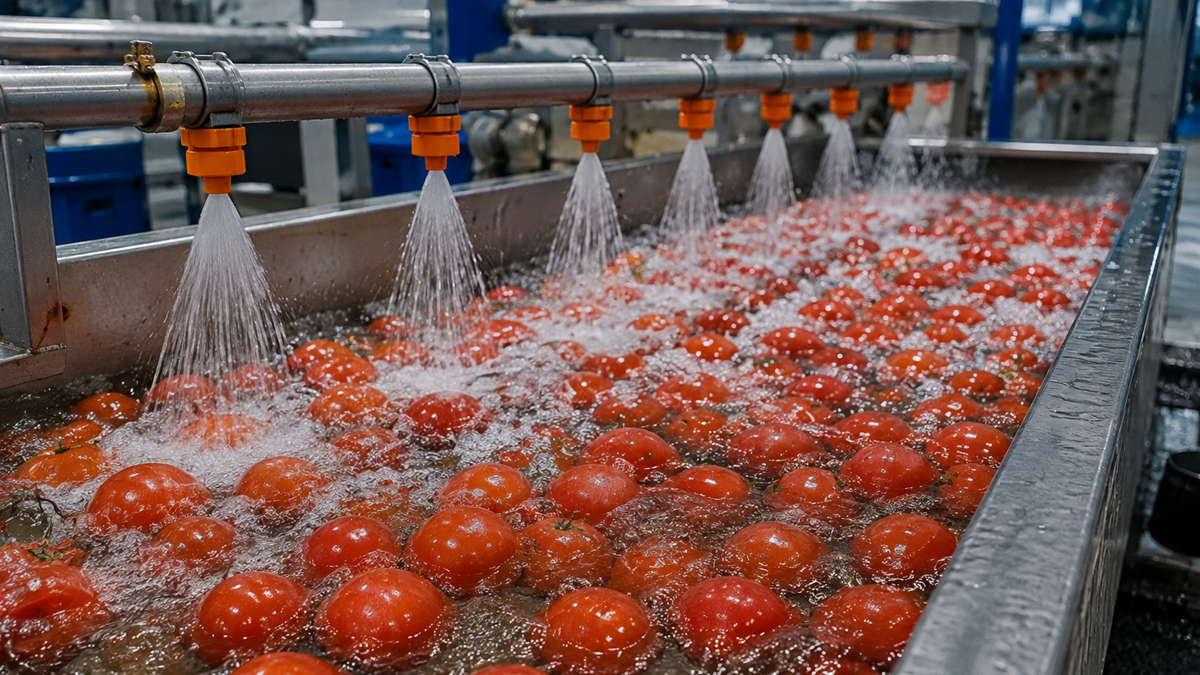
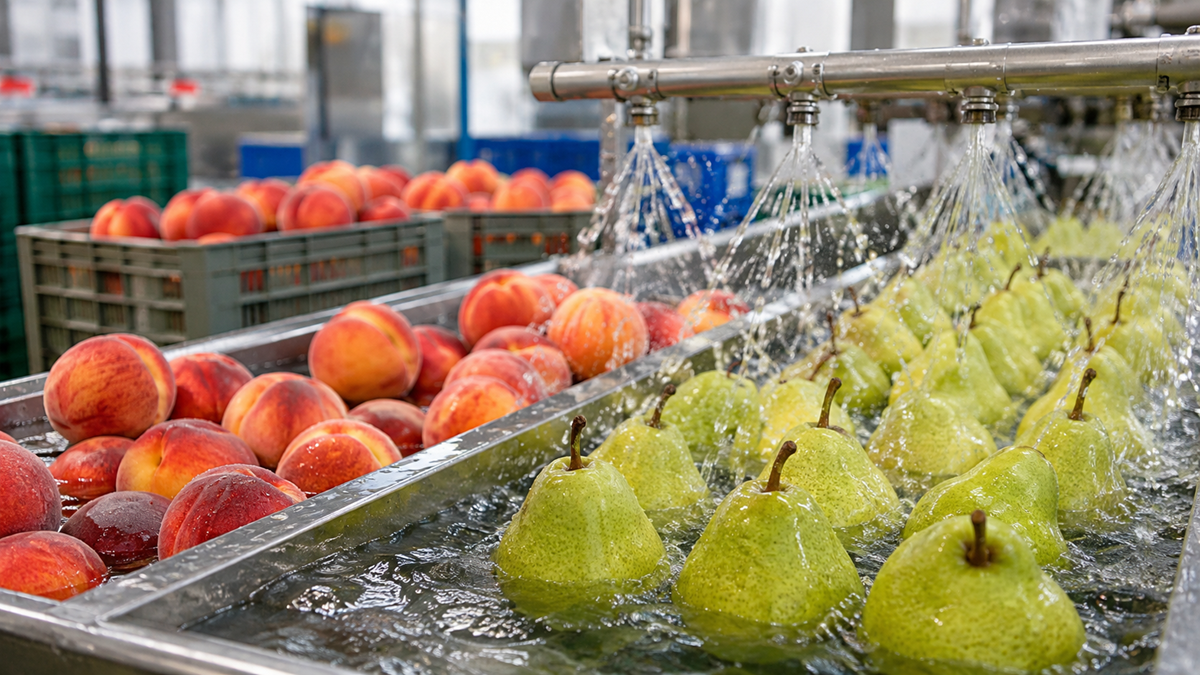
Postharvest water management is a critical control point for preventing pathogen infiltration during the washing of fresh produce. Current industry guidelines recommend that wash water should be warmer than the product to reduce the risk of bacterial internalisation, such as Salmonella in tomatoes or Listeria in melons. However, maintaining these temperature differentials can be difficult due to seasonal and operational variability.
A project led by Mabel Gil, from CEBAS-CSIC, reassesses whether these strict temperature requirements are necessary when other control measures are applied, such as maintaining effective antimicrobial concentrations and reducing immersion time to less than 30 seconds.
Temperature, sanitizers and immersion time
The project analyses whether temperature differentials between tomatoes and wash water influence Salmonella internalisation under controlled laboratory conditions. It also evaluates whether free residual chlorine or peracetic acid can mitigate this risk without the need for strict temperature control.
In addition, the research compares short immersion times, below 30 seconds, with longer exposures of 2 minutes, using commercial wash water. The aim is to generate practical recommendations for postharvest water management in tomatoes and melons.
Preliminary results
Results obtained to date show that Salmonella infiltration occurred only when the calyx was deliberately removed immediately before washing. No infiltration was observed in retail stemless tomatoes.
In the trials, washing with 150-160 ppm free chlorine at pH 6.0-6.5 completely prevented Salmonella infiltration, regardless of the temperature differential or immersion time. Similar results were also obtained with lower chlorine concentrations and with peracetic acid. In contrast, when no sanitizer was applied, infiltration occurred consistently.
Towards more practical protocols
According to the project, these data can help the fresh produce industry develop more flexible and cost-effective food safety protocols. The research suggests that maintaining effective antimicrobial control may be more relevant than strictly complying with temperature differentials, provided that immersion times and water conditions are properly managed.
The project runs from 1 January to 31 December 2026 and involves industrial collaborators including AMC Global, Grupo Paloma and Grupo Perichán.
Source: Project “Reassessing postharvest water management for pathogen infiltration/internalization”, presented at the CPS Research Symposium. Authors: Mabel Gil, Natalia Hernández, Silvia Andújar, Diego Sabater, Juan Antonio Tudela and Pilar Truchado.
Related news