Cooling and CA
Nonchemical Postharvest Technologies Improve Apple and Berry Storage
A scientific review concludes that physical and biological postharvest technologies can extend the shelf life of apples and berries while maintaining fruit quality when treatment conditions and cold chain management are properly optimized
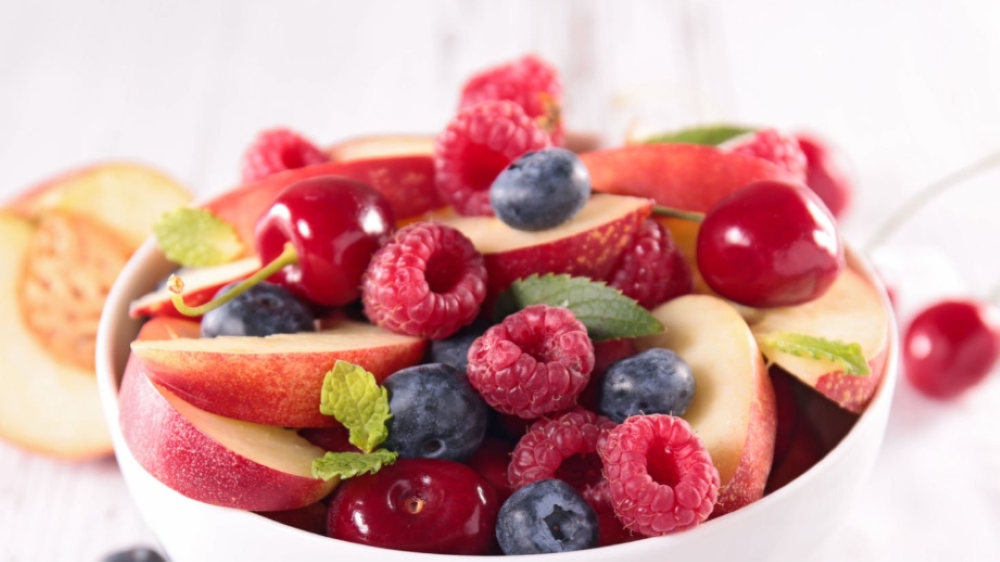
Nonchemical technologies strengthen postharvest fruit preservation
Postharvest losses remain one of the greatest challenges for fresh fruit supply chains, particularly for high-value crops such as apples and berries, which differ considerably in their physiology and storage requirements.
To address increasing regulatory restrictions and consumer demand for produce with fewer chemical residues, researchers reviewed 40 peer-reviewed studies assessing the effectiveness of nonchemical postharvest technologies for extending shelf life while preserving fruit quality.
Different fruits require different preservation strategies
The review covers a wide range of technologies, including controlled and dynamic atmosphere storage, plasma treatments, irradiation, edible coatings and advanced temperature management systems.
The findings show that apples benefit most from technologies that reduce metabolic activity through controlled atmospheres, allowing longer storage periods.
Berries, by contrast, respond better to surface-based treatments and physical barriers that reduce microbial development and moisture loss, helping to preserve their highly perishable quality.
Treatment intensity and cold chain management are critical
The study also highlights that treatment effectiveness depends heavily on application intensity.
Moderate treatments can stimulate beneficial physiological responses that improve antioxidant stability and preserve quality, whereas excessive doses may damage fruit tissues and accelerate the degradation of valuable bioactive compounds.
Researchers also emphasize that maintaining a stable cold chain is essential, as even advanced preservation technologies lose effectiveness under poor temperature management.
Combining technologies delivers superior results
One of the review's main conclusions is that combining complementary nonchemical technologies produces better outcomes than applying individual treatments alone.
Integrated preservation strategies simultaneously improve microbial control, maintain physical and nutritional quality and extend storage life, offering a practical alternative to conventional chemical postharvest treatments for apples and berries.
Source
Zheng, Y., Fu, L., & Karimi-Maleh, H. (2026). Nonchemical Postharvest Technologies for Apples and Berries: Quality and Shelf Life Outcomes. Applied Fruit Science, 68, 216. Springer.
Related news