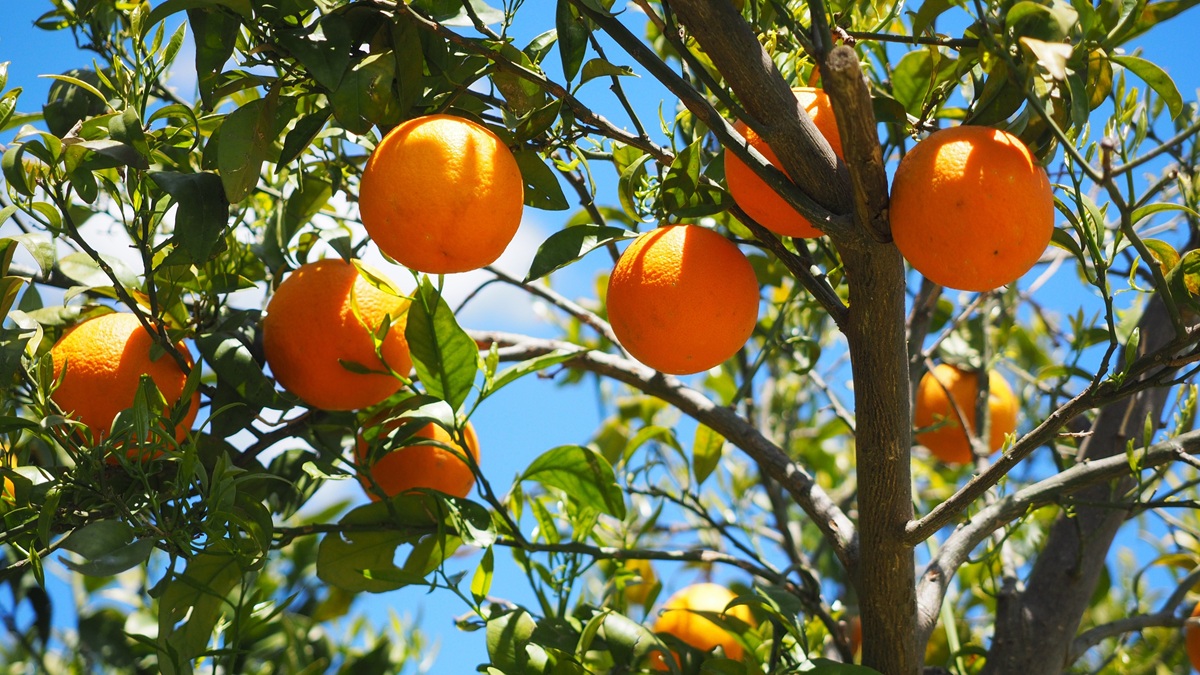
Preharvest environmental conditions may have a greater impact than previously thought on how citrus fruit performs during cold storage. Factors such as low temperatures or low humidity levels in the orchard do not only affect the fruit while it is still on the tree, but also seem to influence how it later responds during postharvest storage.
This is one of the conclusions reached by a study carried out on Tango and Nadorcott mandarins, as well as Valencia oranges, grown in different areas with contrasting climatic conditions. Researchers found that fruit exposed to longer periods of cold or drier environments before harvest developed a higher sensitivity to chilling injury after several weeks of storage at 2 °C.
This physiological disorder remains one of the main challenges in citrus postharvest conservation. Symptoms usually appear on the peel as dark spots, pitting or browning, ultimately affecting both visual appearance and commercial quality.
The fruit’s response to cold begins before storage
In addition to evaluating the appearance of chilling injury, the study also examined several processes related to fatty acid metabolism in the fruit peel. According to the results, the citrus fruit most sensitive to cold showed higher activation of genes involved in lipid desaturation and degradation, particularly FAD2.1 and LOX2, both associated with stress response and oxidative processes.
Researchers also observed that higher levels of fatty acid unsaturation were linked to a greater incidence of chilling injury during storage.
All of this suggests that part of the fruit’s physiological response to cold may begin in the orchard, even before harvest takes place. In other words, environmental conditions during cultivation could alter the metabolic state of the fruit and later influence its behavior during cold storage.
According to the authors, gaining a better understanding of how factors such as temperature and relative humidity affect these mechanisms could help develop new agronomic and postharvest strategies aimed at reducing losses and improving the commercial storage performance of citrus fruit.
Source
Aurora Lozano-Omeñaca, María-Jesús Rodrigo, Lorenzo Zacarías, Preharvest environmental conditions influence fatty acid metabolism and chilling-injury during postharvest cold storage of citrus fruits, Plant Physiology and Biochemistry, Volume 234, 2026, 111347, ISSN 0981-9428, https://doi.org/10.1016/j.plaphy.2026.111347