Phytosanitaries
Antagonistic yeasts reduce strawberry rots and reshape the fruit microbiome
The study evaluates antagonistic yeasts as a sustainable alternative to control postharvest diseases in strawberries demonstrating that they reduce gray mold without affecting fruit quality while promoting a beneficial microbiome
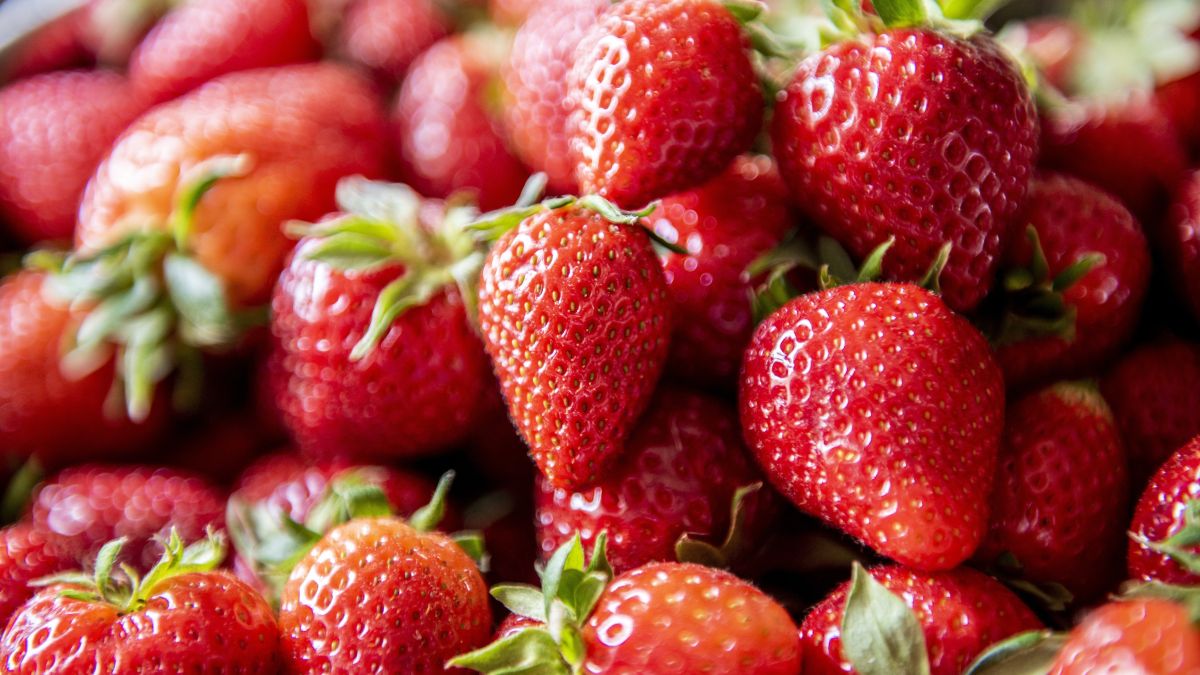
Strawberries are highly perishable fruits, and controlling postharvest decay remains one of the main challenges for the industry. In this context, biological control agents have attracted increasing attention as sustainable alternatives to synthetic fungicides. However, limited information is available regarding how these treatments affect fruit-associated microbial communities and quality parameters.
The study investigated the use of antagonistic yeasts as a sustainable strategy to control postharvest decay in strawberries, focusing both on the selection of effective strains and on evaluating their impact on fruit quality and microbiome composition. Epiphytic and endophytic yeasts were isolated and screened for their biocontrol activity on naturally infected fruits.
The most effective strains were identified as Aureobasidium pullulans and Metschnikowia pulcherrima, which were subsequently tested for efficacy. Treatments with these yeasts significantly reduced gray mold incidence and severity compared with untreated fruits after ten days of cold storage followed by two days of shelf life. The results obtained were comparable to those achieved with a commercial M. fructicola-based biofungicide.
Despite the positive disease-control effects, none of the treatments significantly affected key fruit quality parameters such as firmness, total soluble solids, or titratable acidity.
Metabarcoding analysis revealed that yeast application significantly modified the fruit microbiome, reshaping both fungal and bacterial communities. The antagonistic strains successfully colonized the fruit surface and reduced Botrytis abundance.
In addition, the treatments promoted the development of beneficial microorganisms, particularly bacterial taxa belonging to the genus Achromobacter. The authors emphasized that the mechanisms of action of these yeast biocontrol agents extend beyond direct pathogen inhibition, as they also foster beneficial interactions with resident microbial communities and contribute to establishing a protective fruit microbiome capable of preventing disease development.
Source
Remolif, G., Garello, M., Prencipe, S., Ferrocino, I., Guarnaccia, V., Droby, S., Romanazzi, G., & Spadaro, D. (s.f.). Postharvest yeast treatments control strawberry rots and shift the fruit microbiome.
https://www.sciencedirect.com/science/article/pii/S0925521426002632