Phytosanitaries
Fungi linked to durian postharvest rot in China and their fungicide response
The study identifies Lasiodiplodia species responsible for postharvest rot in durian in Hainan while evaluating fungicide sensitivity and the potential risk for other stored tropical fruits
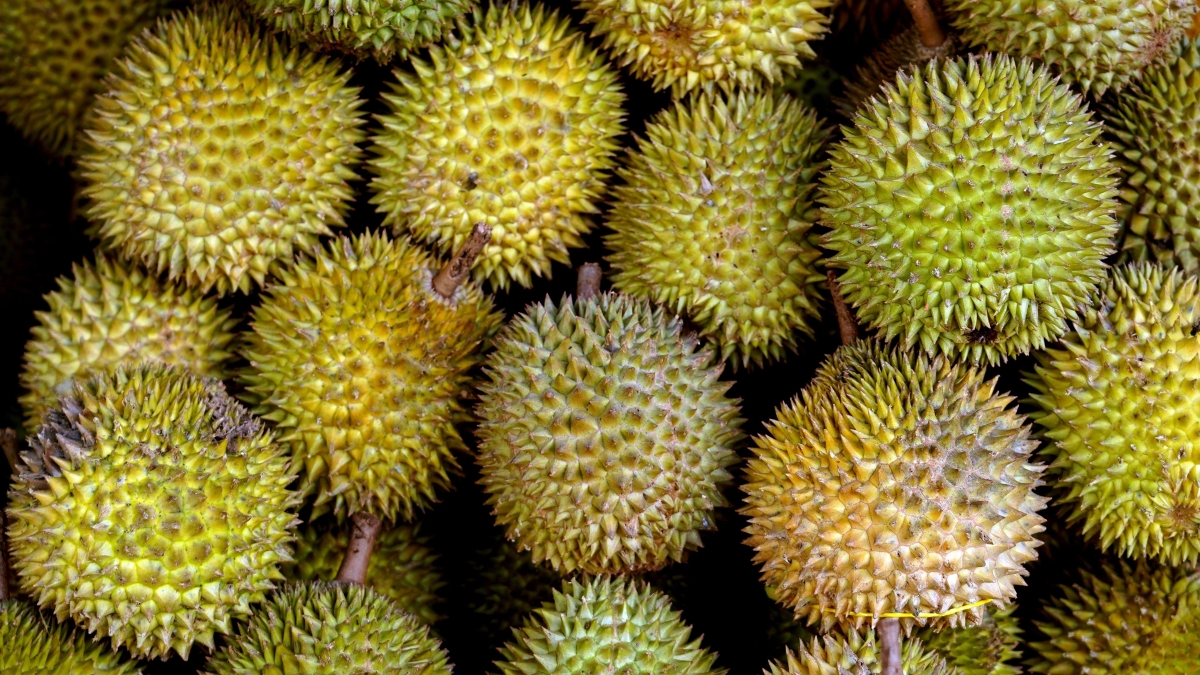
Durian (Durio zibethinus Murr.) is a highly valued tropical fruit crop whose cultivation has been expanding rapidly in Hainan Province, China. In June 2025, symptoms of postharvest fruit rot were detected in durian fruits from a commercial orchard located in Sanya City, Hainan, where disease incidence reached approximately 5.2%.
Three fungal isolates were obtained from infected fruits and identified as Lasiodiplodia pseudotheobromae and Lasiodiplodia lignicola through morphological characterization and multilocus phylogenetic analysis using ITS, TUB2, and EF1-α gene sequences.
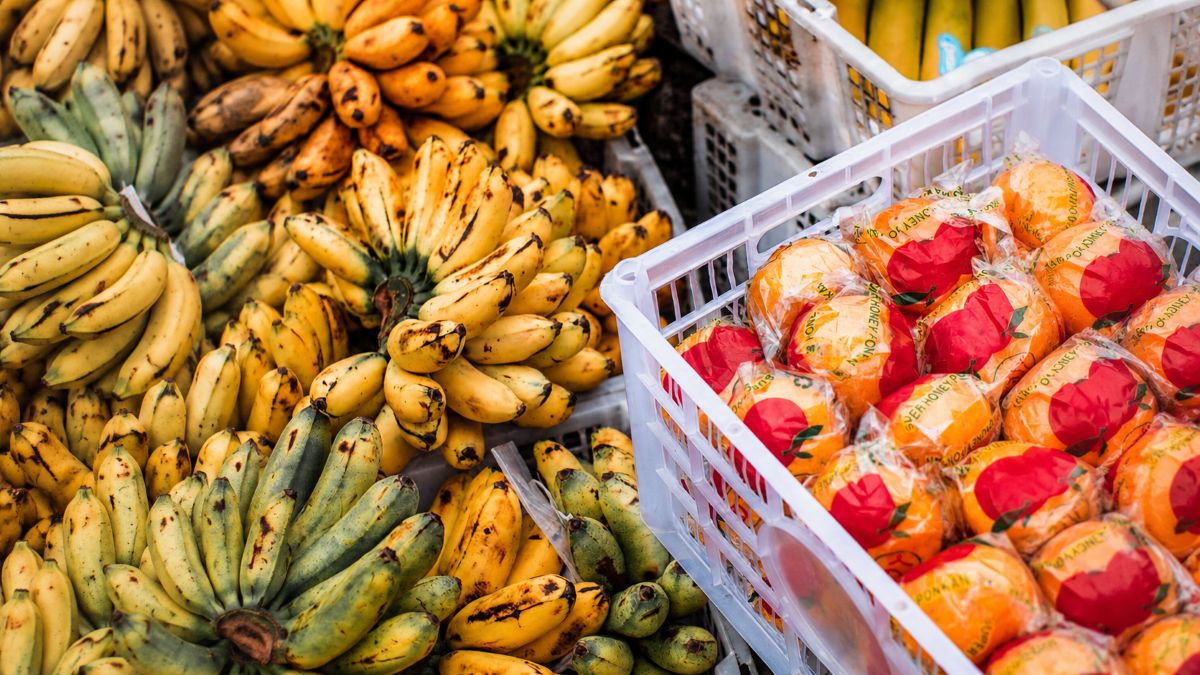
Pathogenicity tests confirmed that both fungal species are causal agents of postharvest durian rot, with lesions expanding rapidly after infection. In addition, the pathogens demonstrated the ability to infect eight additional tropical fruit hosts, including banana and mango, representing a significant threat to postharvest storage of several tropical fruits.
Fungicide sensitivity assays showed that imazalil and imazalil sulfate were the most effective compounds, with average EC50 values of 0.07 µg/mL and 0.08 µg/mL, respectively. Prochloraz, iprodione, and prochloraz-Mn also showed strong antifungal activity.
The study further revealed that Lasiodiplodia lignicola was more sensitive to most tested fungicides than L. pseudotheobromae. According to the authors, these findings highlight the importance of developing species-specific fungicide management strategies.
This research represents the first report of L. pseudotheobromae and L. lignicola causing postharvest rot in durian fruits in Hainan. As Hainan continues to emerge as a major durian production region, further research is considered essential to establish effective control strategies against this economically important disease.
Source
Hu, M., Gao, Z., Chen, G., Ran, Y., Pu, J., Gong, D., Luo, H., Zhang, Y., Sun, J., & Li, M. (2026). Identification and Fungicide Sensitivity of Lasiodiplodia Species Causing Postharvest Fruit Rot of Durian in Hainan, China. MDPI.