News
Factors and solutions to prevent lettuce discoloration during processing and storage
The study reviews factors causing discoloration in wounded lettuce. It analyzes biochemical mechanisms and associated quality changes. It also outlines prevention strategies and future research directions.
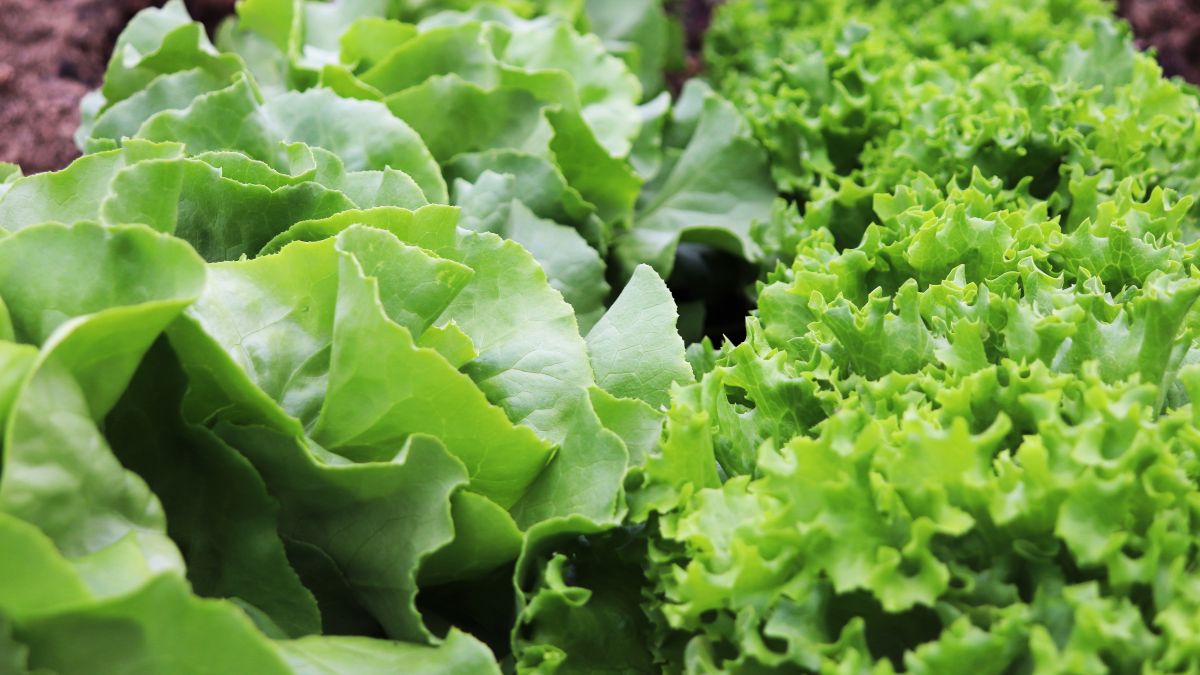
Lettuce is widely valued for its nutritional content and health benefits. However, unwanted discoloration, such as pinking and browning in damaged tissues, is a major source of economic loss in the industry.
Previous reviews have mainly focused on preharvest factors and the influence of packaging and storage conditions. However, they have not provided a comprehensive view of discoloration across the entire supply chain.
This review addresses that gap by systematically examining both pre- and postharvest factors that trigger discoloration. It also explains the underlying mechanisms, highlighting the differences and connections between browning and pinking, and describes additional quality changes such as loss of firmness and the development of off-flavors.
The findings indicate that discoloration is linked to imbalances in redox signaling affecting enzymes and substrates. The phenylpropanoid pathway plays a central role, with caffeic acid identified as a key intermediate. Although strategies such as natural compounds, biological approaches, and combined treatments show potential, their practical implementation remains challenging.
Future progress may depend on identifying genetic markers and analyzing relevant genes, which could support the development of lettuce varieties with lower susceptibility to discoloration.
Source
Jiang, Q., Zhang, Z., Liu, T., Zhao, X., & Wang, D. (2025). Recent advances in wounded lettuce discoloration: A review of pre- and postharvest influencing factors, pathways, and prevention strategies.
https://ift.onlinelibrary.wiley.com/doi/abs/10.1111/1541-4337.70479
Related news