News
FAO strengthens post-harvest technology training in Dominica
The initiative aims to reduce losses, improve quality and enhance high-value vegetable production
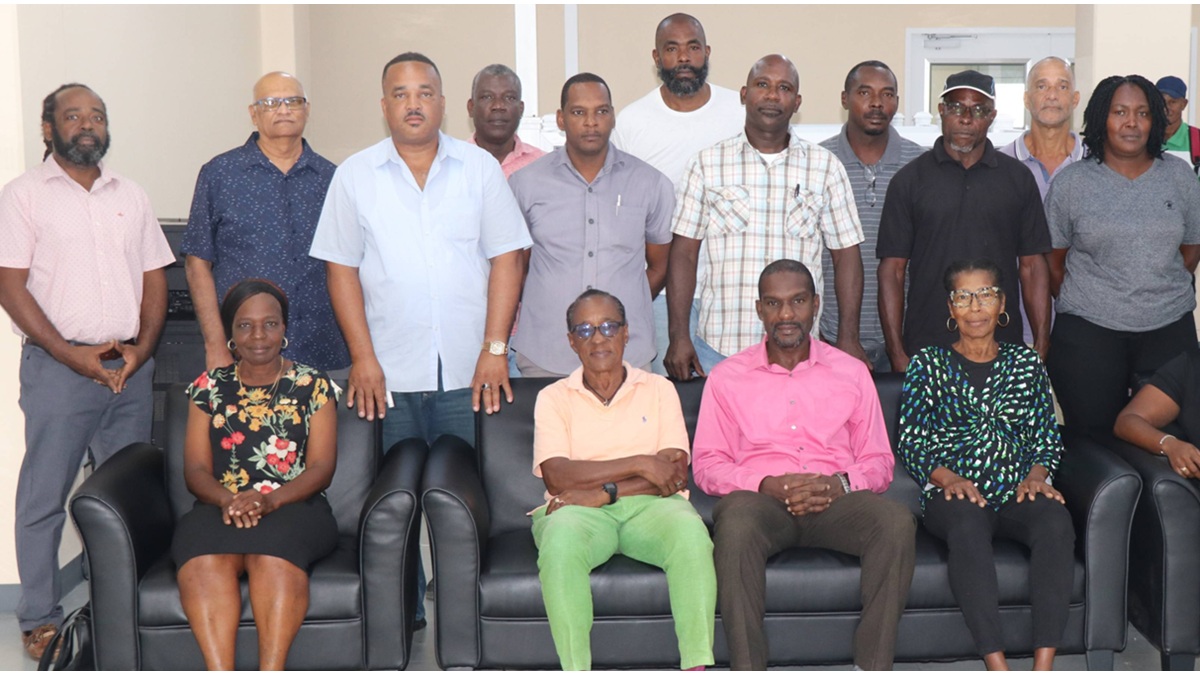
The Food and Agriculture Organization of the United Nations (FAO) held its first post-harvest technology training session of the year in collaboration with the Ministry of Agriculture, Fisheries, Blue and Green Economy of Dominica. The session, aimed at extension officers, processors and farmers, took place on 15 January at the Fisheries Complex in Roseau.
Over the course of the week-long training, 25 participants gained in-depth knowledge of post-harvest technologies and best practices designed to reduce product losses, improve value chain efficiency and enhance crop quality and safety. Dr Mohammed Majeed, FAO Post-Harvest Specialist, addressed key topics including post-harvest loss quantification, pre-harvest factors affecting shelf life, quality assessment procedures, packaging, cooling, temperature management and transportation.
The training placed particular emphasis on high-value vegetables such as tomatoes, sweet peppers, lettuce, broccoli, cauliflower, cabbage, carrots and cucumbers.
Agroclimatic assessment and production diversification
Prior to the customized training, in 2023 the Ministry of Agriculture requested FAO’s technical assistance to assess the feasibility of cultivating a range of vegetables, including imported temperate crops, across Dominica’s diverse agroclimatic zones.
The scoping study evaluated factors such as elevation, year-round water availability for irrigation and seed quality and variety. Findings identified specific agroclimatic zones suitable for specialty vegetable production, with the potential to reduce imports, increase farmers’ incomes and create export opportunities to neighboring countries.
Reducing losses and strengthening capacities
The training also considered Dominica’s high vulnerability to climate change and limited availability of arable land.
Anne Desrochers, FAO Plant Production and Protection Specialist, explained that improved harvest and post-harvest practices are essential to enhance quality, minimize food waste and ensure food safety. She added that the training will strengthen local capacities within the Ministry of Agriculture as part of the objectives of the current Technical Cooperation Programme project aimed at boosting high-value vegetable production.
Grand Fond farmer Marcus Cuffy, who attended the session, highlighted the value of the training, particularly regarding cold storage practices, and indicated his intention to apply the knowledge gained and share it with other farmers.
Keian Stephenson, Technical Extension Officer with the Ministry of Agriculture and FAO National Correspondent, stated that farmers showed strong interest in strategies to reduce harvest losses. He noted that participants learned practical methods to increase the volume of produce reaching the market, while exporters and handlers gained knowledge to improve packaging and reduce losses in their pack houses.
Impact on food security
According to FAO, applying the skills and insights gained from the training will help strengthen local food production, improve food security and contribute to a more resilient and sustainable agricultural sector in Dominica.
Source: FAO
Related news

.jpg)