
Fresh Produce Instruments
Measurements
3 Ways to Make Fresh Produce Operations More Cost-Effective . Make ripening more flexible and cost-effective
Fresh Produce Instruments presents three solutions to reduce costs and improve efficiency in fresh produce operations, from flexible ripening to air purification and non-destructive quality control

For many ripening facilities, one of the most important advantages of Fresh Produce Instruments’ Catalytic Generators is the lower upfront investment compared to centralized gas distribution systems. Unlike centralized installations, which require extensive piping, fittings, and infrastructure, generators can be deployed without costly installation work.
As Jakub Slezák, Quality Manager at Titbit, puts it: "Ripening shouldn't be complicated. You just plug it in, and it works." That simplicity is one of the key reasons why many ripening facilities choose Easy-Ripe® Generators with Ethy-Gen® II.
Simon Goisser from Fruchtimport vanWylick GmbH points to another important benefit — operational reliability.
“There have been situations where a valve in the centralized gas supply system failed, and by the next morning the cylinders were practically empty. That resulted in both time and financial losses, as customers expect deliveries to arrive precisely on schedule. If something like that happened with Catalytic Generators, the worst-case scenario would be losing just no more than one or two litres of liquid.”
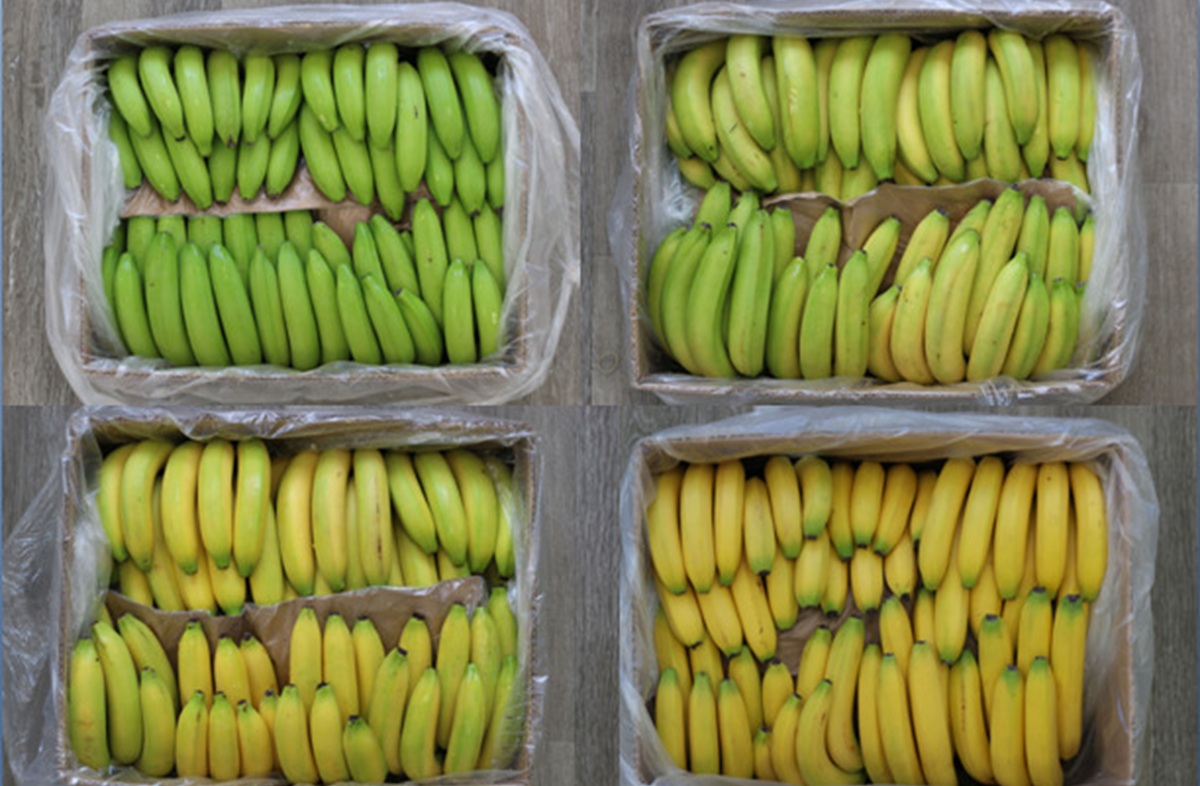
Building on more than 50 years of expertise in ethylene application, Catalytic Generators continues to innovate. By the end of this year, the company plans to introduce Smart-Ripe®, a new upgrade for Easy-Ripe® users that will enable remote monitoring and control of ethylene application via a smartphone or web interface without the need for ethylene sensors or analyzers. The system will also provide real-time alerts and help optimize the ripening process, giving operators even greater control and efficiency.
Reduce storage losses with air purification technologies validated in real-world applications
Fresh produce professionals know that temperature and humidity alone are not enough to protect product quality. Airborne mould spores, bacteria, excess ethylene, and volatile organic compounds (VOCs) can all accelerate ripening, promote decay, and shorten shelf life.
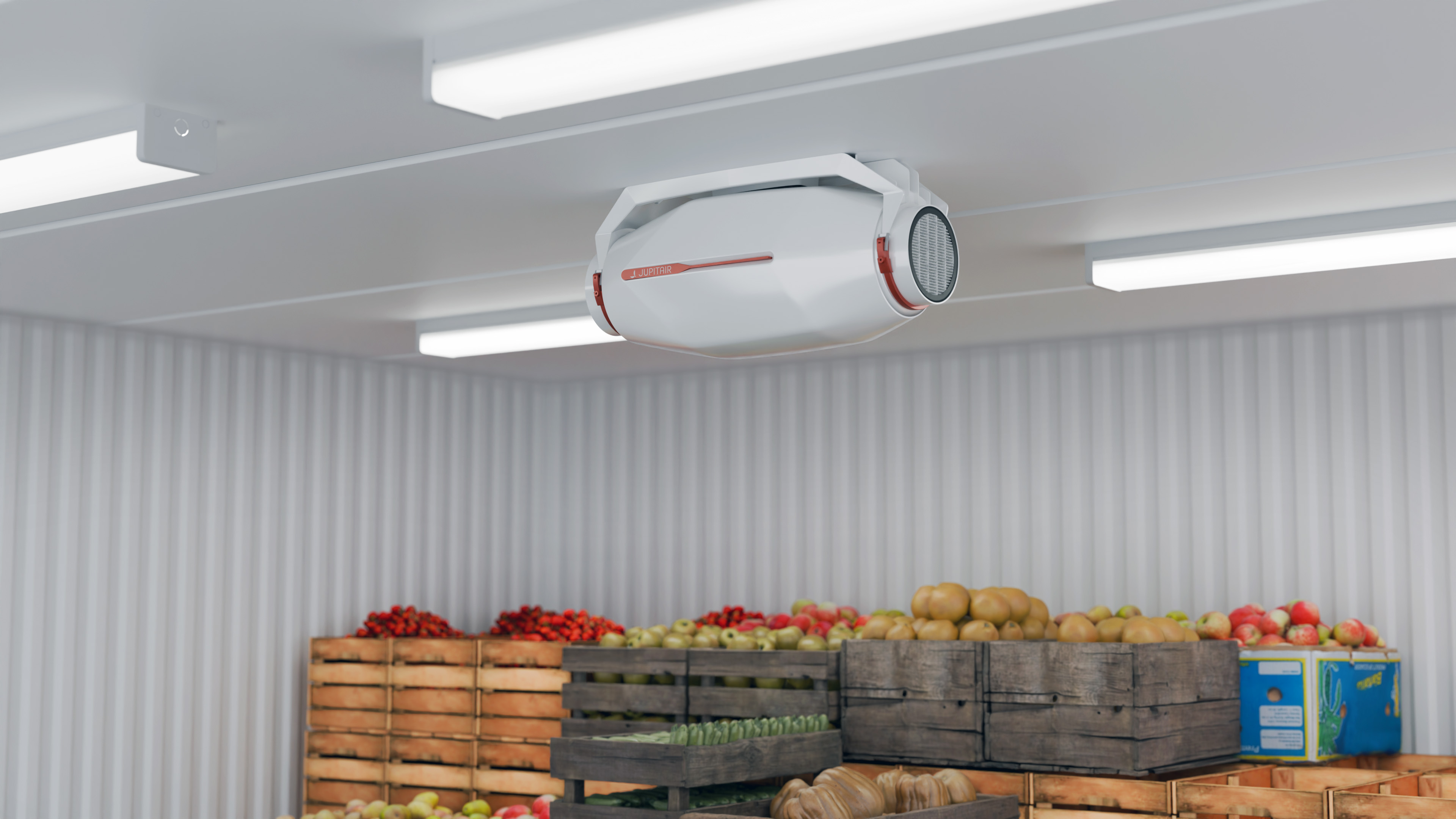
The benefits of advanced air purification are no longer just theoretical. Fresh produce companies are already seeing the difference in commercial storage environments. Customer case studies from Nemeskert Kft. and Ban Choon Marketing Pte Ltd. report improvements in product quality and shelf life, while commercial evaluations of Jupitair have demonstrated its effectiveness in reducing airborne contaminants and ethylene under warehouse conditions
At Fruit Attraction 2026, visitors can explore Jupitair, an advanced photocatalytic air purification system that operates continuously without generating ozone or requiring disposable HEPA filters, as well as Airocide®, the NASA-derived technology trusted by fresh produce businesses worldwide to help maintain product quality during storage and transportation.
"Two hours instead of 3.5 working days"
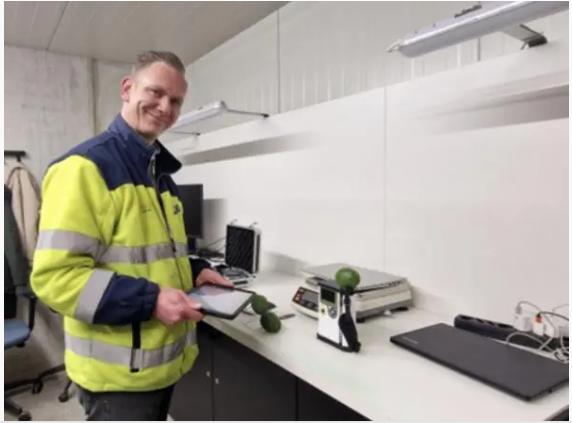
For quality control teams, faster decisions should not come at the expense of product losses. By introducing non-destructive dry matter measurements, Normec transformed its avocado quality control process, significantly reducing testing time while increasing sampling capacity. Instead of cutting fruit open to assess maturity, operators can measure key quality parameters in seconds, keeping every piece available for sale while collecting more reliable data across entire batches.
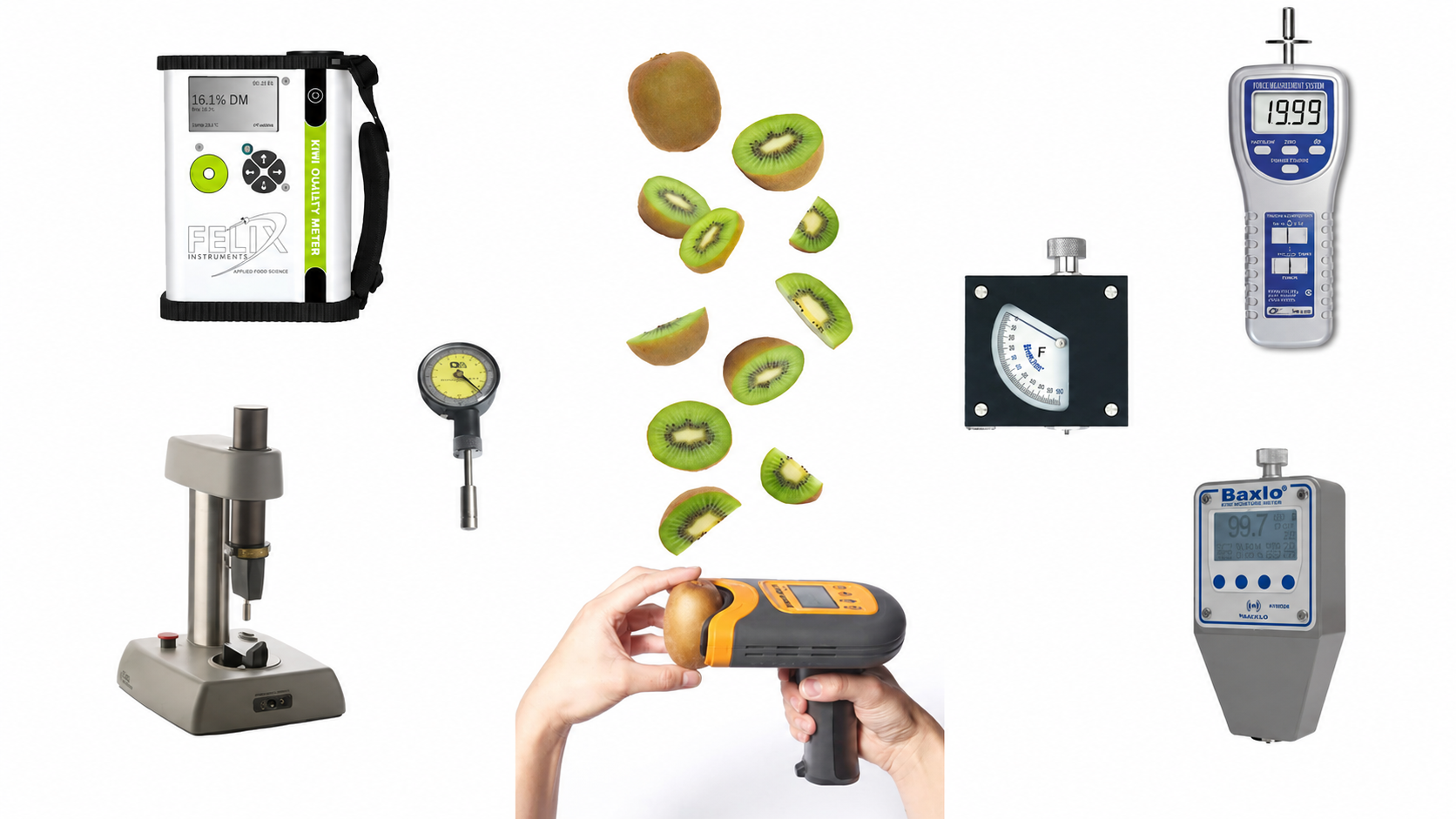
Fresh Produce Instruments offers a wide range of non-destructive quality meters from Felix Instruments, Sunforest, and Baxlo for measuring dry matter, firmness, Brix, colour, and other quality parameters in avocados, berries, mangoes, kiwifruit, apples, tomatoes, and many other commodities. For laboratories, packing houses, and quality control teams handling large volumes, we also provide advanced fruit testers and texture analysers with automatic data transfer and storage, making it easy to analyse large datasets, monitor quality trends, and maintain complete records for traceability and quality assurance.
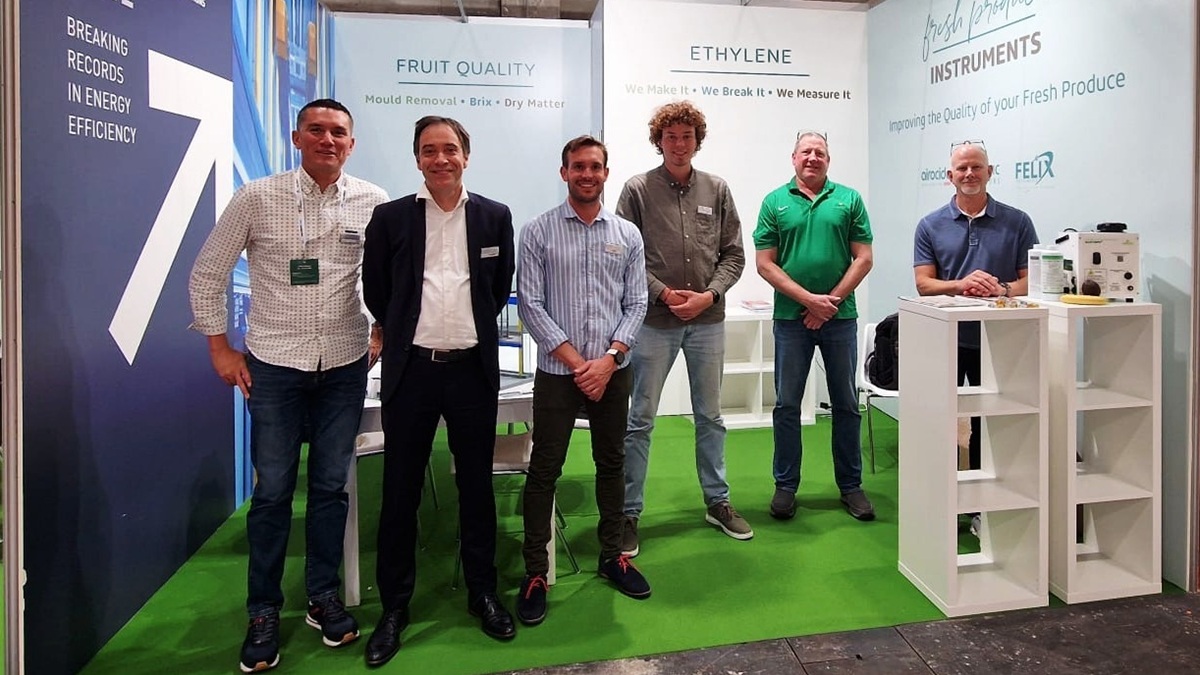
Fresh Produce Instruments is pleased to announce our participation in Fruit Attraction 2026, taking place in Madrid from 6 to 8 October 2026. We look forward to welcoming visitors to Hall 6, Stand E04, where our team will showcase innovative instruments designed to improve quality, reduce losses, and optimize fresh produce operations.
News of Fresh Produce Instruments