News
Glycine betaine and reduction of chilling injury in postharvest fruits and vegetables
This meta-analysis evaluates the effectiveness of glycine betaine in reducing chilling injury in postharvest fruits and vegetables. It confirms its ability to enhance stress resistance and product quality. Optimal application conditions for standardized use are identified.
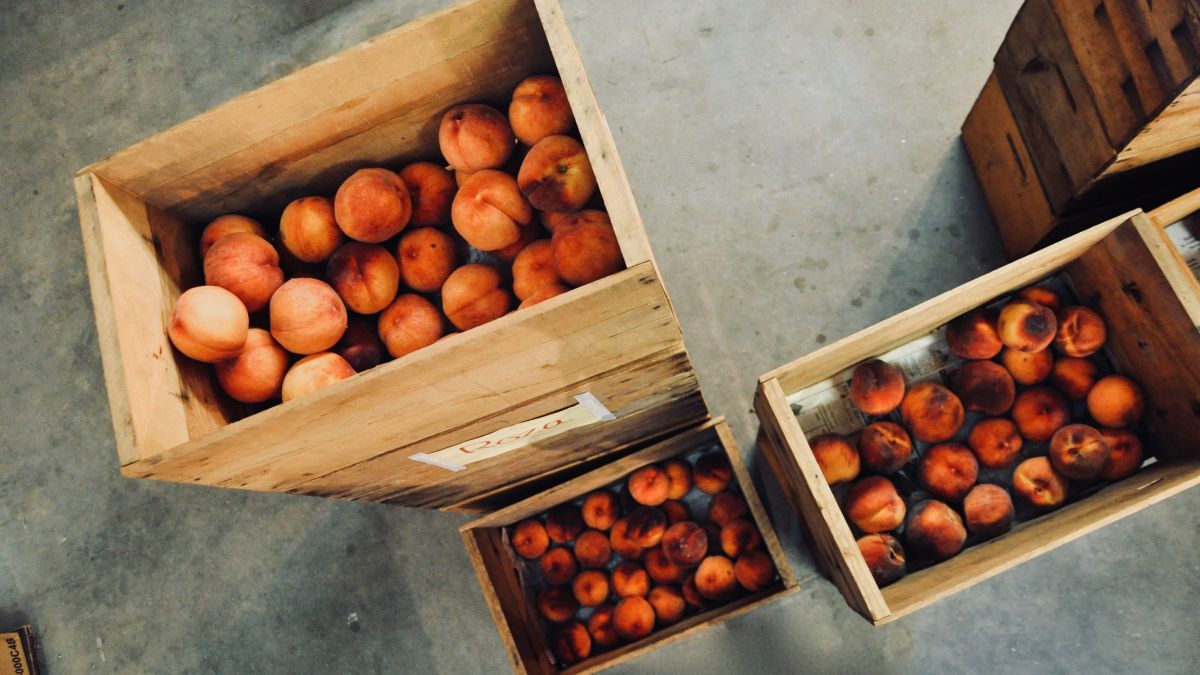
Cold storage is the main technique used to preserve the quality and economic value of postharvest fruits and vegetables. However, prolonged or improper storage often leads to chilling injury, which appears as uneven ripening, peel pitting, tissue softening, and increased susceptibility to pathogens.
Glycine betaine (GB) is a natural compound with osmoprotective and redox homeostasis functions that shows strong potential to reduce cold stress in horticultural products. This study conducts a meta-analysis of 22 independent studies (2020–2025) to evaluate its effectiveness, mechanisms, and optimal application conditions.
Results indicate that GB treatment significantly reduces chilling injury index, electrolyte leakage, and malondialdehyde levels, confirming its protective role. It enhances cold tolerance by regulating metabolic pathways such as the ascorbate-glutathione cycle, antioxidant enzymes, sugar metabolism, energy balance, phenylpropanoid pathway, and polyamine/proline biosynthesis.
The most effective protocol identified is 10 mM GB, 10-minute immersion, and storage at 0–4 °C. These findings support standardized GB application in postharvest preservation systems.
Source
Fu, X., Li, F., Li, Y., Li, X., & Zhang, X. (2025). The efficacy of glycine betaine treatment in alleviating chilling injury in postharvest fruit and vegetables: A systematic review and meta-analysis of recent advances. Food Chemistry / Postharvest Biology and Technology.
https://www.sciencedirect.com/science/article/abs/pii/S0925521426002097
Related news