News
Homeopathy as an aid for strawberry postharvest preservation
Strawberries rapidly deteriorate between commercialization and consumption. Homeopathic preparations (20CH and 200CH) were tested to extend shelf life. Treatments reduced mass loss compared to controls. They also showed lower visible microbial growth
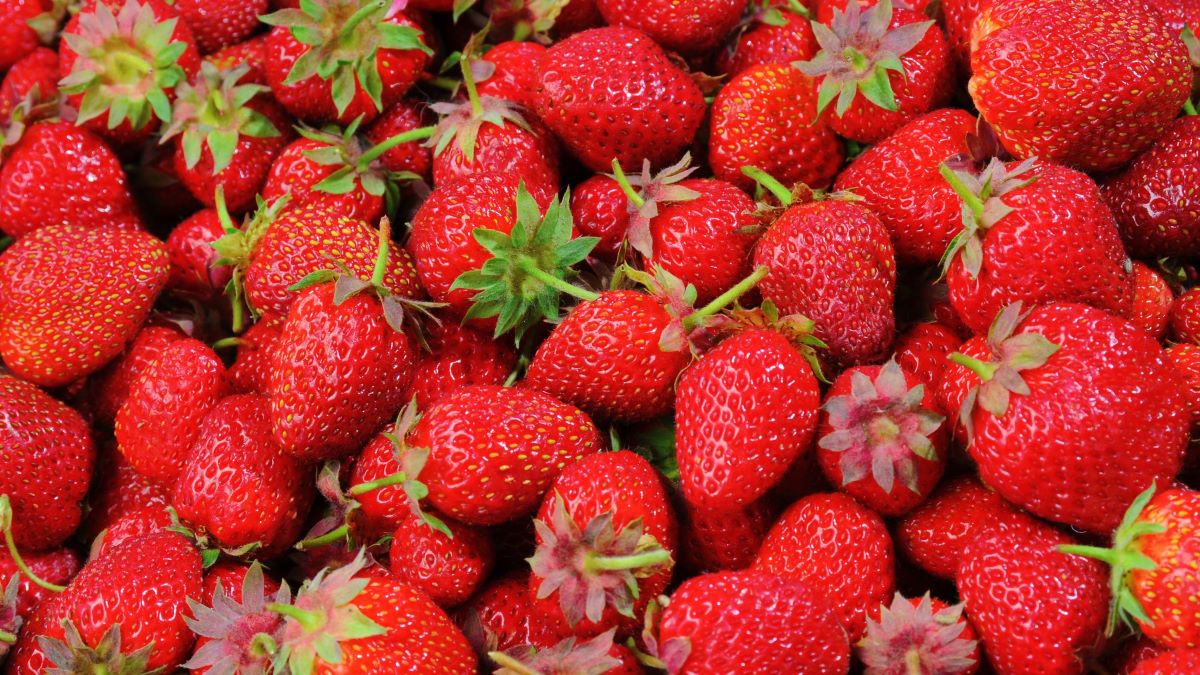
Beyond its medical use, homeopathy has potential applications in the food sector, emerging as a promising alternative. Fresh strawberries are highly perishable and tend to deteriorate rapidly between commercialization and consumption.
This study aimed to evaluate the effectiveness of homeopathic preparations in controlling the deterioration of marketable strawberries, with a focus on extending their shelf life.
A quantitative, exploratory, and experimental approach was adopted, with homeopathic matrices selected through a literature review. The preparations were produced in a homeopathic pharmacy at 20CH and 200CH dilutions. Several control vehicles were included: dynamized homeopathic vehicle, non-dynamized vehicle, sodium hypochlorite solution, and distilled water. Strawberries, in triplicate, were treated with each solution (25 drops per 500 mL of distilled water), immersed for 1 minute, dried on sieves, and stored in sterilized containers for 12 days. Mass loss was assessed using descriptive statistical methods. Five homeopathic preparations were tested (Calendula officinalis, Staphysagria, Thuya occidentalis, Arsenicum album, and Kalium iodatum).
The results indicated that treatments at 20CH and 200CH led to lower total mass loss compared to the controls, suggesting greater effectiveness. Additionally, these treatments showed reduced visible microbial growth.
Source
Soares, L. de S., & Passamani, F. (2026). Homeopathy as aid in the post-harvest conservation of strawberries. UniSales.