News
Recent advances in postharvest technologies for preserving pineapple quality
Pineapple faces rapid deterioration, physical damage, and microbial spoilage after harvest. Techniques such as controlled atmosphere, modified packaging, coatings, and cold storage are reviewed. These methods reduce losses, delay senescence, and preserve quality. Combining strategies enhances postharvest performance
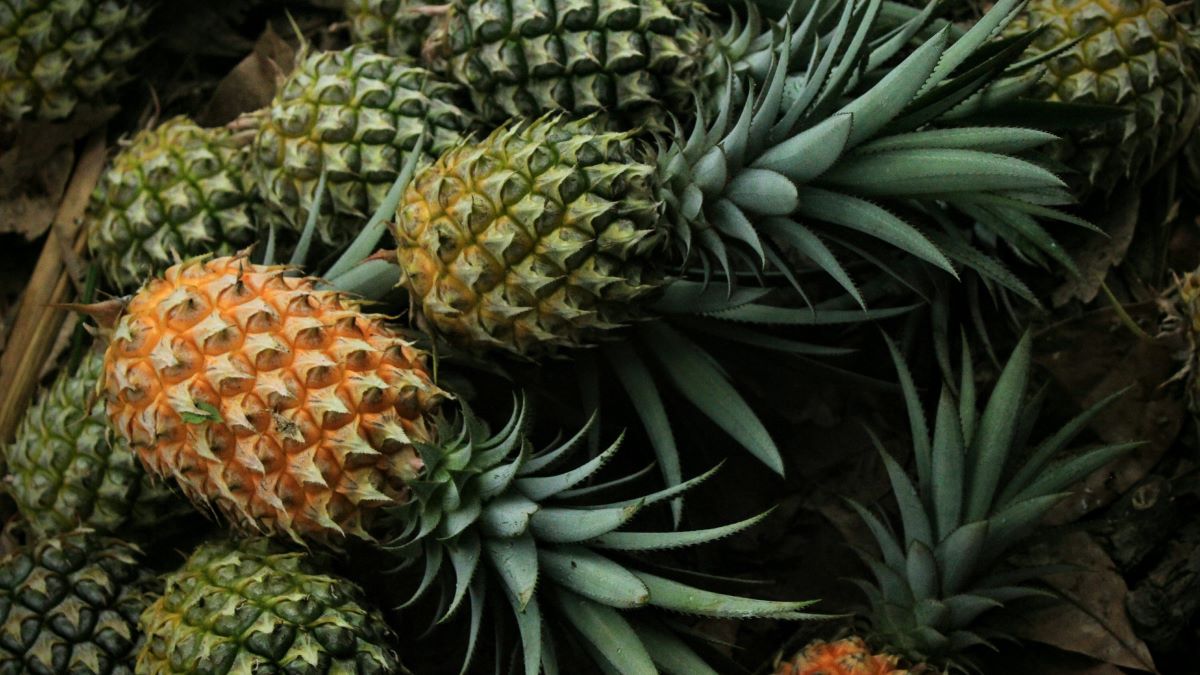
Pineapple (Ananas comosus) is a tropical fruit widely valued for its distinctive aroma, sweet taste, nutritional content, and health benefits, leading to strong global demand.
Despite its importance, it faces significant postharvest challenges, including rapid deterioration, vulnerability to physical damage, and microbial spoilage.
This review aims to provide a comprehensive overview of the techniques and technologies used to preserve pineapple quality after harvest, focusing on their applications, effectiveness, and relevance to the industry.
The study examines key research on preservation methods such as controlled atmosphere storage, modified atmosphere packaging, edible coatings, and cold storage, assessing their ability to extend shelf life and maintain fruit quality.
The findings indicate that these approaches effectively reduce deterioration, microbial growth, and moisture loss. Controlled and modified atmospheres help delay senescence, edible coatings act as protective barriers, and cold storage slows physiological degradation. Furthermore, combining these strategies often leads to improved postharvest outcomes.
Overall, the adoption of appropriate technologies is essential to maintain quality, minimize losses, and support sustainable production, while also highlighting the need for continued research to enhance postharvest practices and ensure a consistent supply of high-quality pineapples.
Source
Sanchez, P. D. C., Mapayo, C. T., Sanchez, J. J. J., Piculados, E. J. O., & Luzorata, J. G. (2024). Recent advances in postharvest techniques and technologies for preserving the fresh quality of pineapple (Ananas comosus): A review. Annals of Tropical Research.