
Maf Roda
Conditioning
AI drives a new generation of quality control in stone fruit
The launch of new, more visual, intuitive, and AI-powered sorting environments reflects shifting priorities in post-harvest packhouses, focusing on more precision, less operational complexity, and greater autonomy during the season
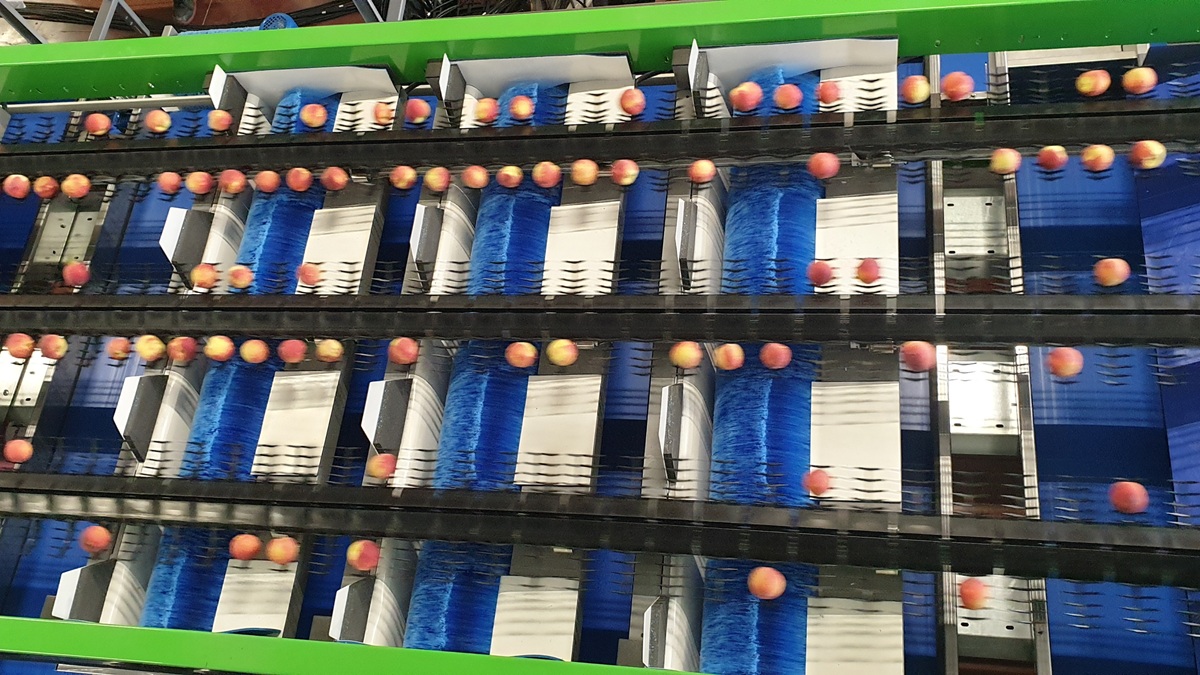
In stone fruit production, the success of a season is increasingly determined by a packhouse's ability to maintain consistent quality criteria at high speeds. Commercial pressure regarding color, presentation, uniformity, and the final condition of the fruit has raised the bar for quality control, to the point where post-harvest quality systems have become a major differentiating factor for market competitiveness.
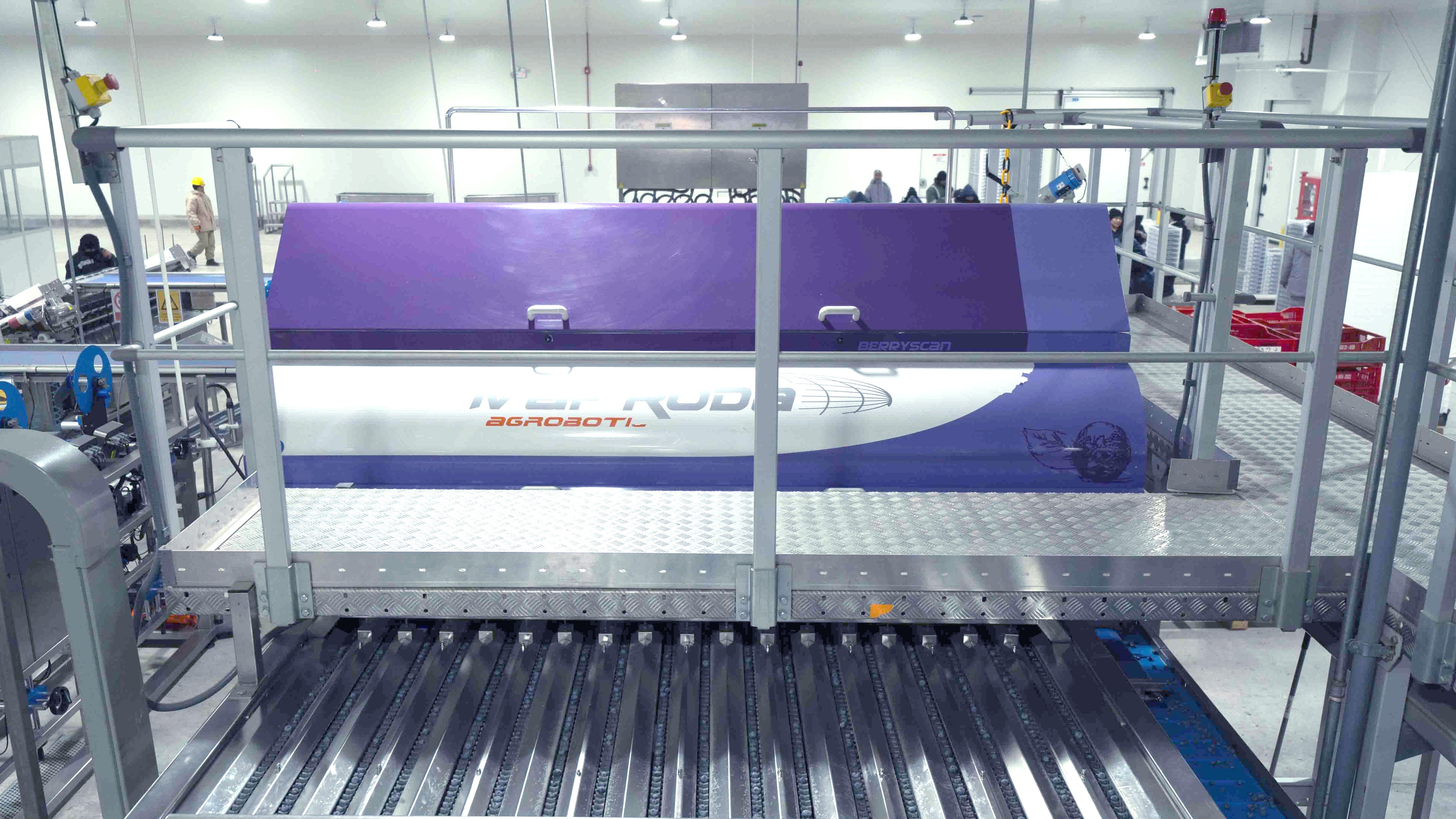
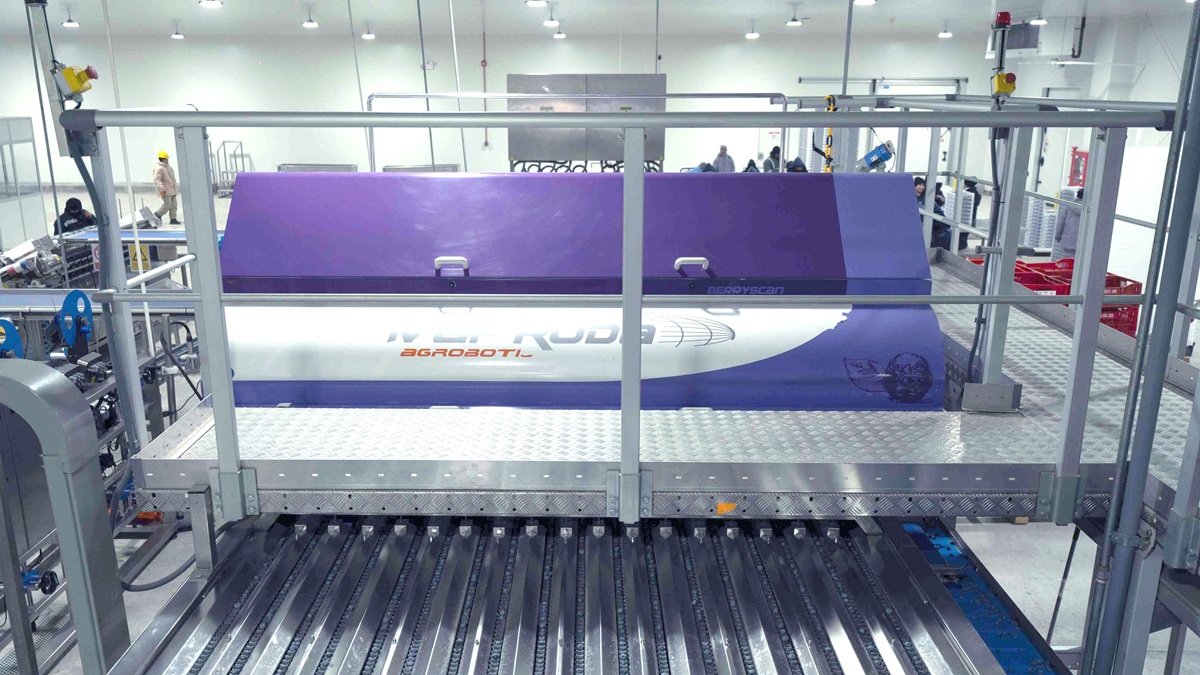
This is the context for StoneFruitsQS, the new software proposal from the MAF RODA Group for stone fruit, developed to work alongside GLOBALSCAN 7. The system relies on high-resolution images obtained through multispectral cameras with a 360º view. This combination increases accuracy in fruit analysis while significantly simplifying user interaction with the equipment. This move is significant as it points to an increasingly visible trend in the sector towards more powerful quality solutions that are also easier to manage on a day-to-day basis.
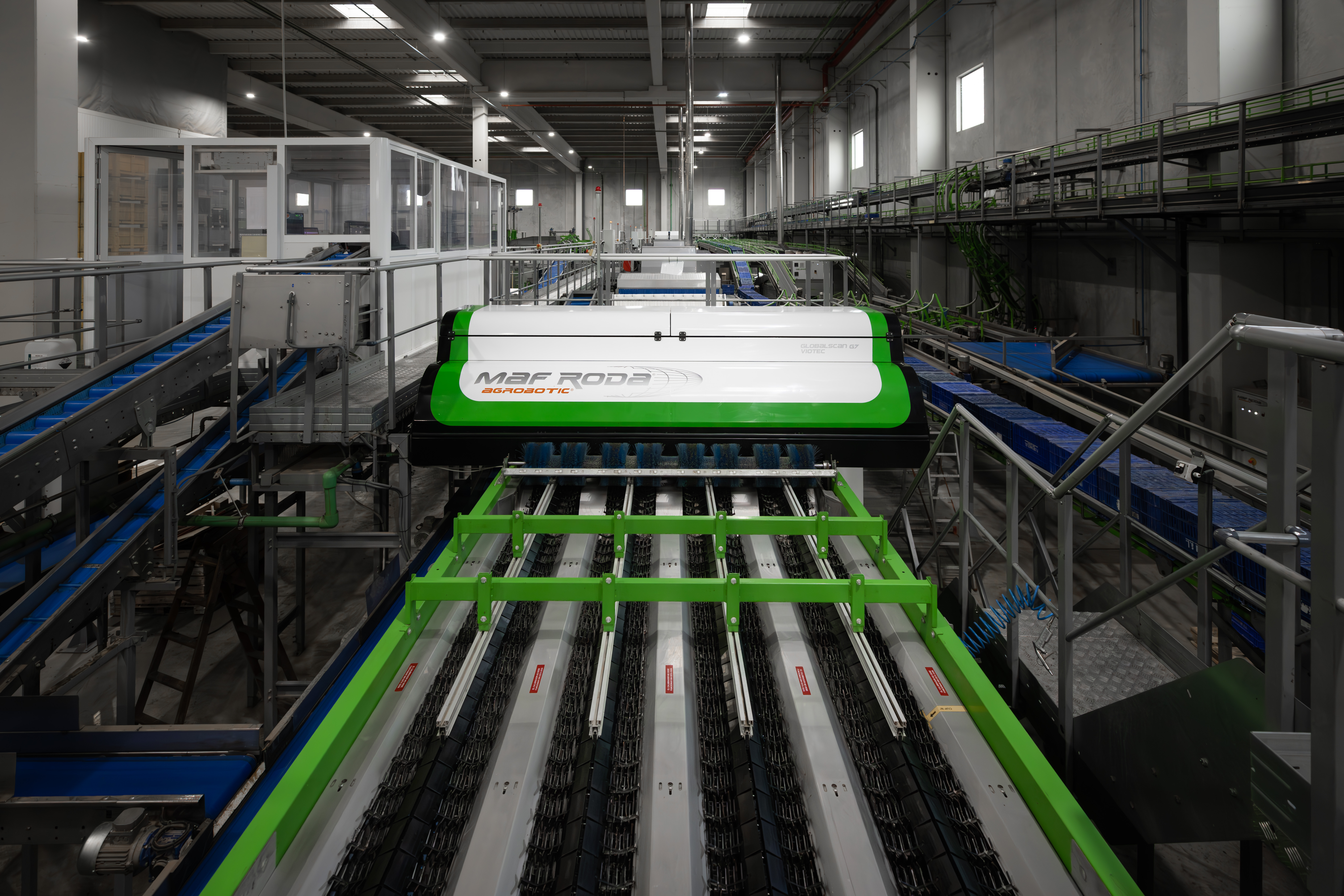 Globalscan 7: Next-generation electronic sorting system with AI
One of the keys to this new generation of software is usability. The more visual and intuitive interface concentrates access to critical functions, defect detection, and parameter configuration within a single environment. For packhouses, this translates into a concrete advantage: less reliance on highly specialized profiles for specific adjustments and a more agile response in the middle of the season, when volumes peak and the margin for error narrows.
Another relevant aspect is the ability to customize the analysis with greater clarity. The graphical representation of defects, combined with the option to activate or deactivate criteria, adjust quality limits, or modify correction factors, allows for more precise intervention in the system. Added to this is the option to preview the production impact of certain changes before applying them, a particularly useful feature for making more informed decisions with less trial and error.
The inclusion of user access levels, change histories, and features that streamline system fine-tuning also responds to a growing demand in fruit and vegetable packing plants for safer, traceable, and operationally agile tools. It is not just about increasing automation, but about doing so with a user logic that is understandable for plant personnel, providing the capacity to adapt quality control without compromising process stability.
Everything indicates that the next evolution of quality control in stone fruit will be less about adding complexity and more about combining technological precision, intelligent data analysis, and ease of use. Developments like StoneFruitsQS align with this direction, reflecting how AI is beginning to establish itself not just as an automation resource, but as a practical tool to simplify decisions and gain consistency in post-harvest operations.
News of Maf Roda