
Marvil Engineering
Cooling and CA
Controlled ripening solutions for tropical fruits: gas control, uniformity and remote management
At Macfrut, Marvil Engineering showcased systems for managing the ripening of bananas, mangoes, papayas, avocados, and other fruits, featuring technologies aimed at parameter control and loss reduction
The controlled ripening of tropical fruits is a key stage to ensure that products such as bananas, mangoes, papayas, or avocados reach the market with a homogeneous quality, good appearance, and a suitable readiness for consumption. In an increasingly demanding commercial chain, having rooms and systems capable of managing the process with precision allows for improved planning, reduced shrinkage, and greater flexibility in responding to distribution needs.
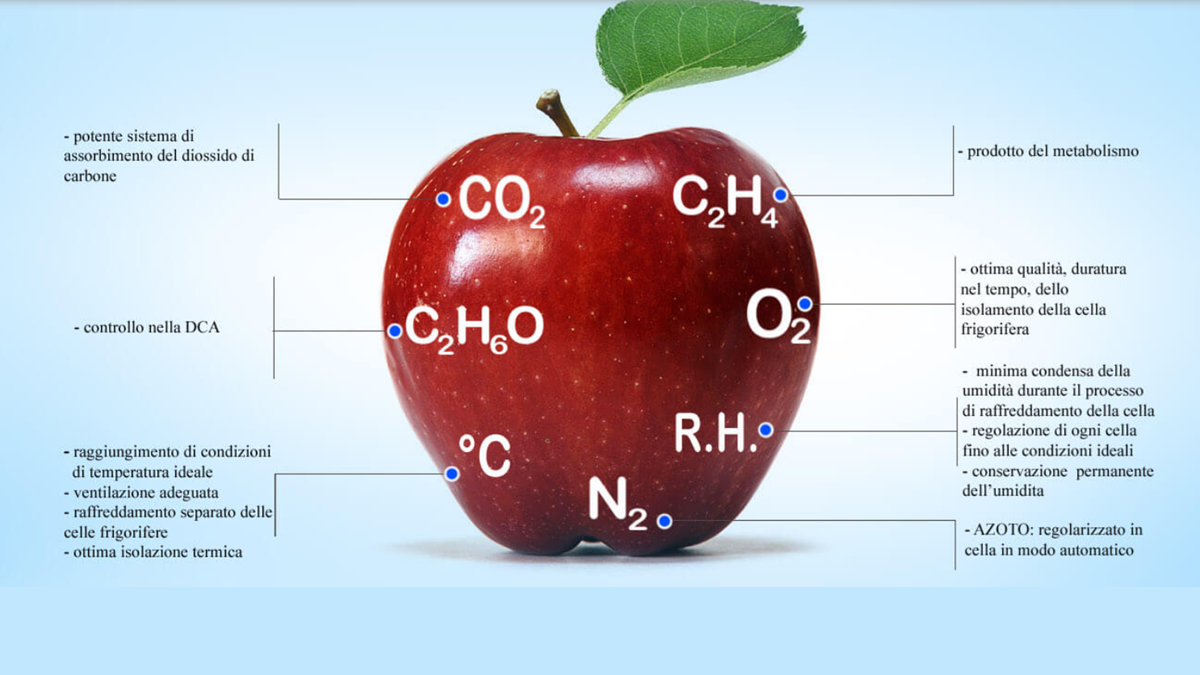
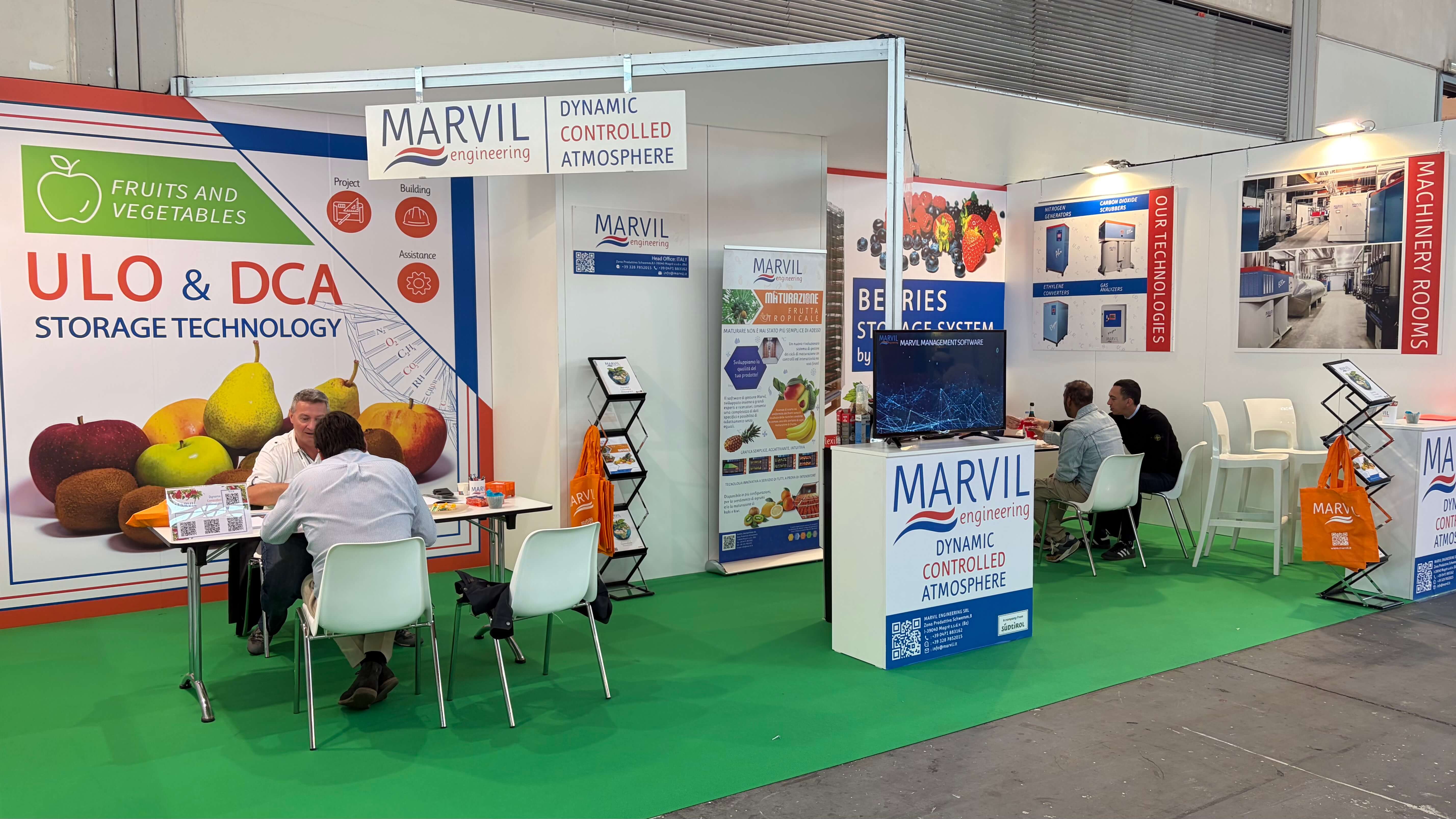
During Macfrut, Marvil Engineering presented its solutions for the ripening and storage of fruits and vegetables, with a special focus on gas control systems, automation, and remote management. The company develops technologies applied to horticultural products that allow controlling parameters such as oxygen, carbon dioxide, nitrogen, ethylene, temperature, and relative humidity in cold rooms and sealed environments.
Uniform ripening for ready-to-eat fruit
In climacteric and tropical fruits, ripening does not depend solely on the passage of time. Temperature, humidity, ventilation, and the composition of the atmosphere directly influence the evolution of the product, its color, firmness, aroma, and commercial life. Therefore, controlled ripening systems seek to automate and uniform these parameters to obtain a more homogeneous result between batches and within the same room.
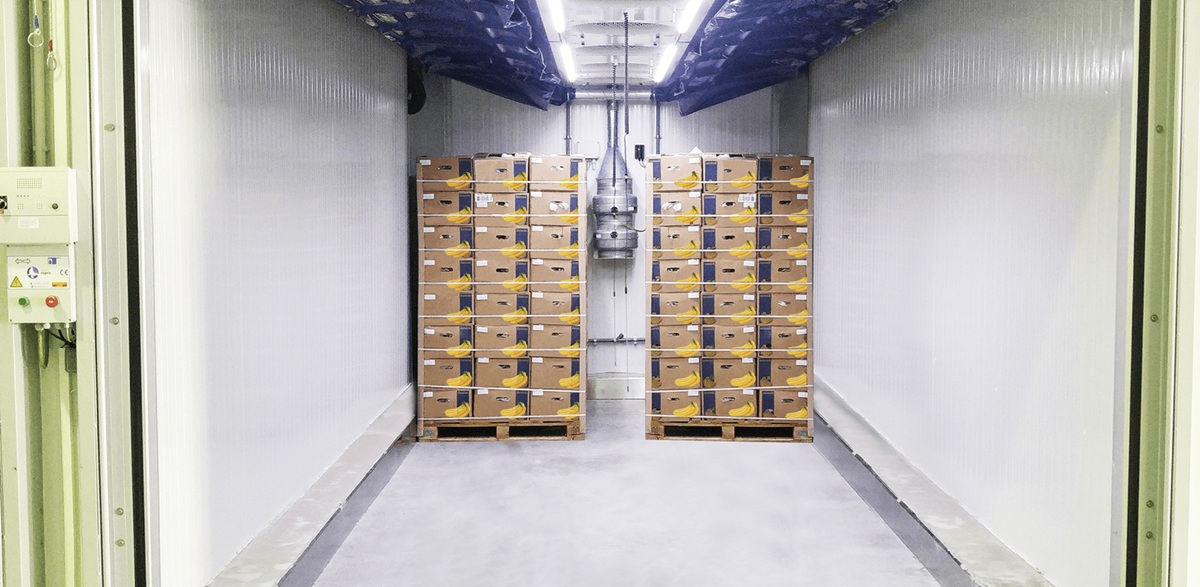
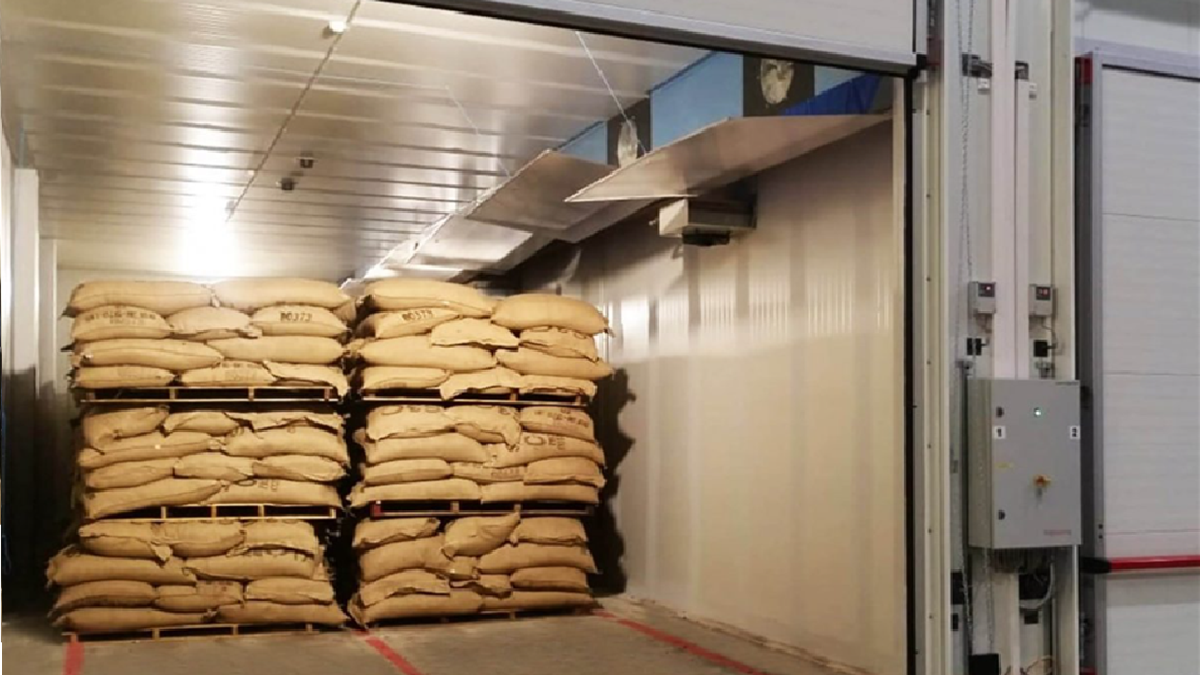
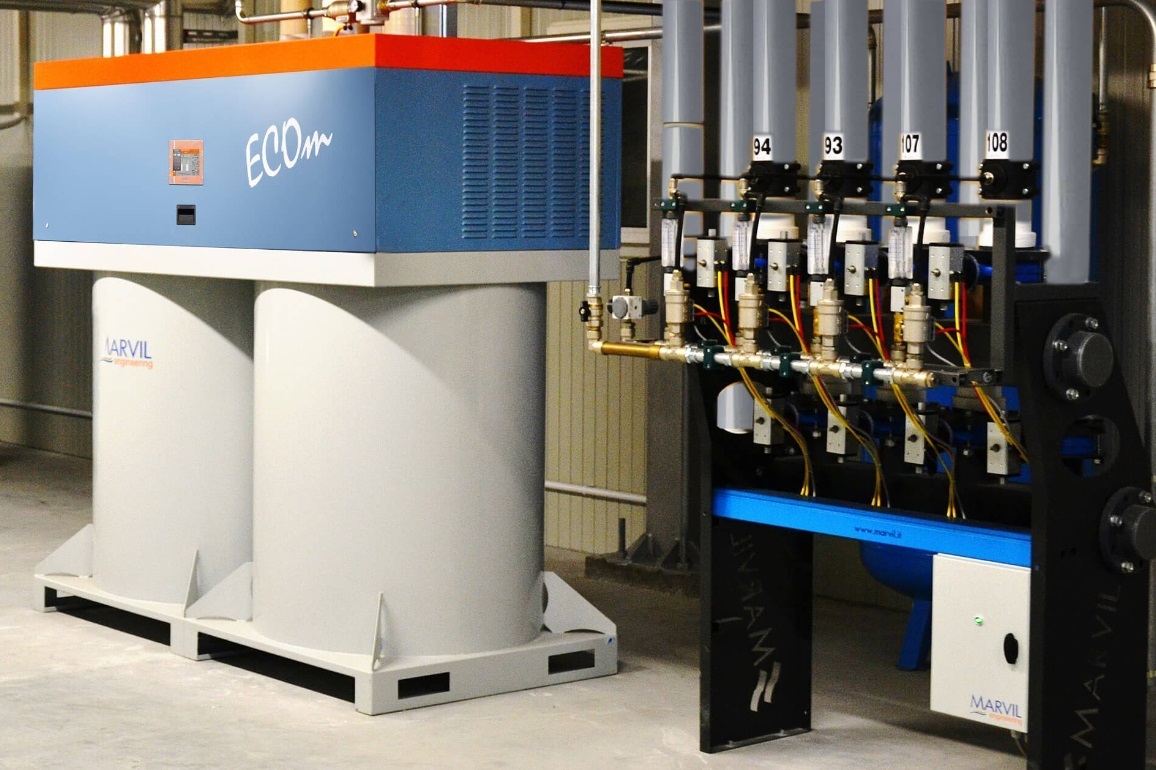
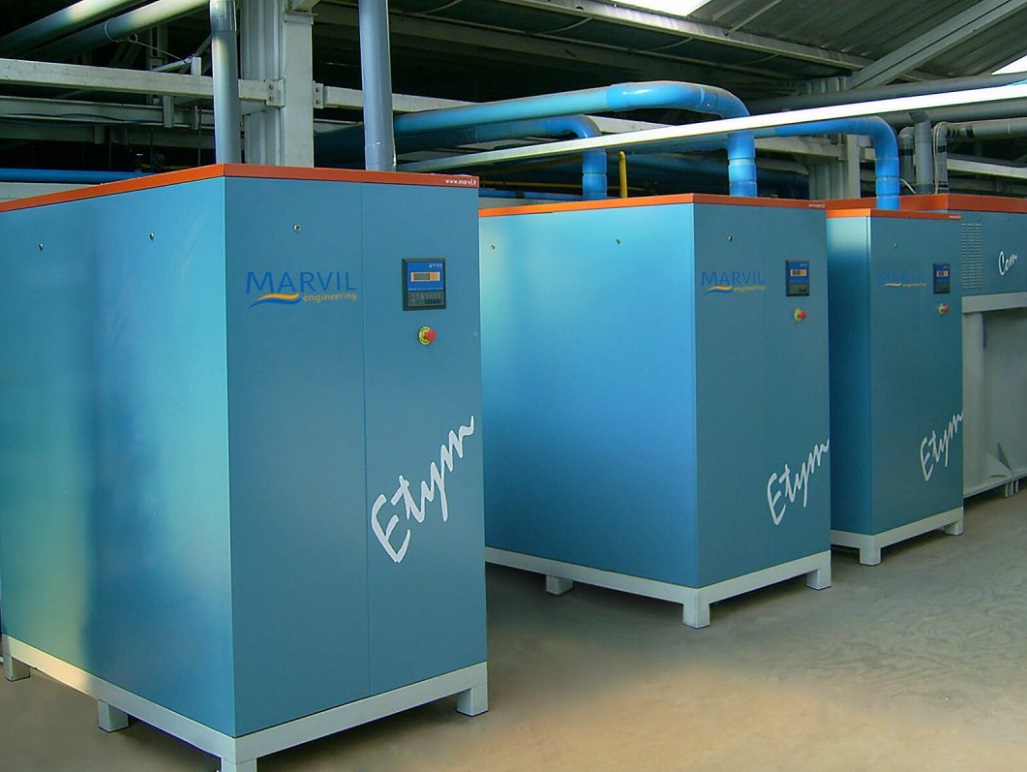
Marvil Engineering ripening chamber for bananas, designed to control process conditions and support uniform fruit ripening
Marvil points out that its control systems are aimed at automating and uniforming temperature, humidity, CO₂, and ethylene, both for ripening and degreening processes. The company applies these solutions from classic banana rooms to facilities for exotic fruit such as mango, papaya, or avocado, as well as systems for citrus degreening and specific treatments for persimmon.
The need for uniformity is especially important in products intended for immediate consumption or in commercial programs with tight schedules. A poorly controlled process can generate differences in ripeness within the same batch, loss of commercial value, or an increase in waste. Faced with this, precise management of the ripening cycle allows working with more complete information and greater intervention capacity.
Real-time control and adaptation to each facility
Among the solutions shown by Marvil stands out the Ripe-Ban System, a system aimed at managing the ripening cycle with real-time controls, intuitive interfaces, and the possibility of remote management. According to company information, the system allows the process to be adapted to different configurations and products, facilitating the monitoring of parameters during each phase of the cycle.
Automation is one of the central elements in this type of facility. Marvil highlights the importance of simple management, parameter recording, data visualization, and plant supervision via smartphone or app, in addition to data transmission systems open to third-party management programs.
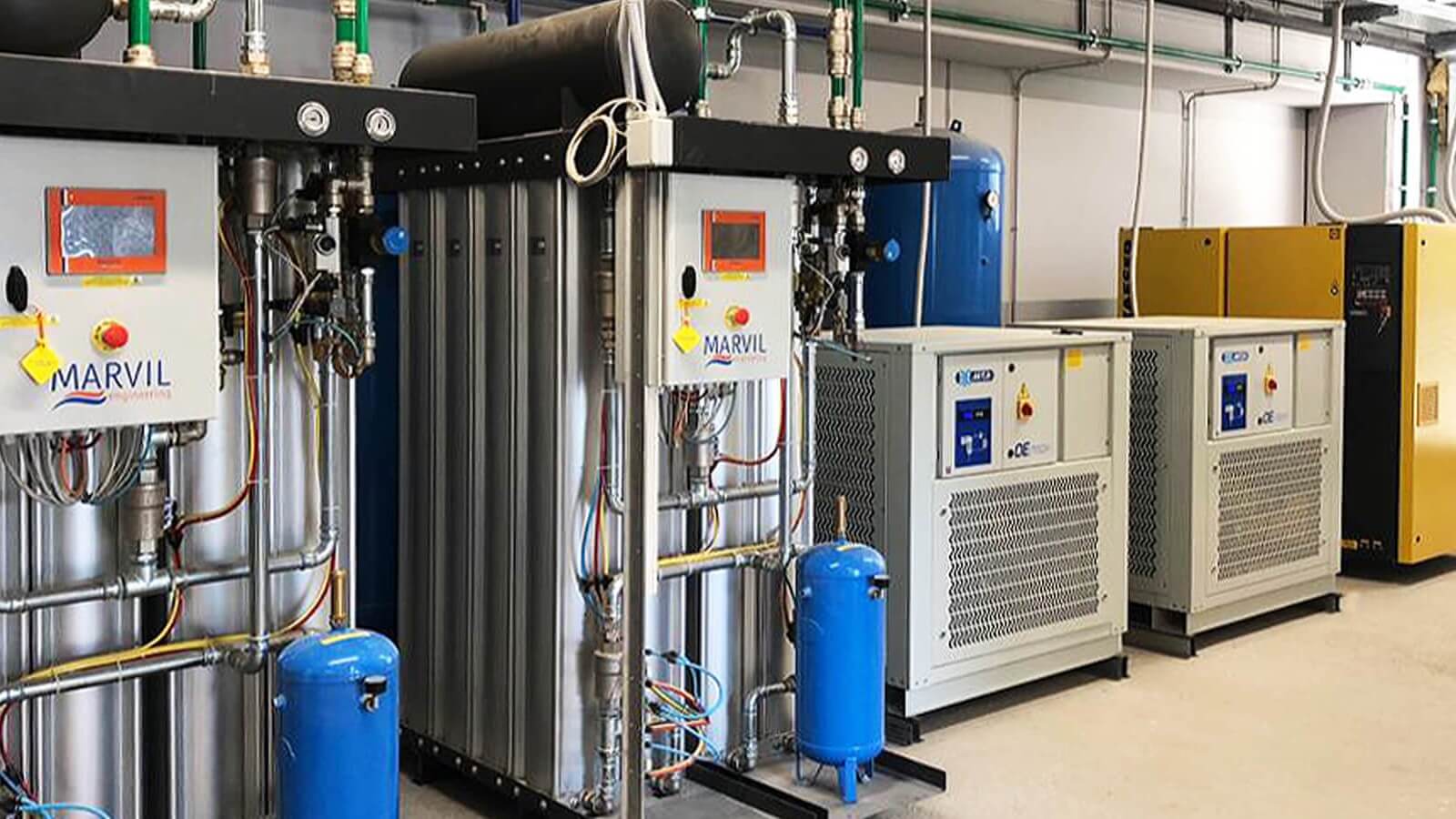
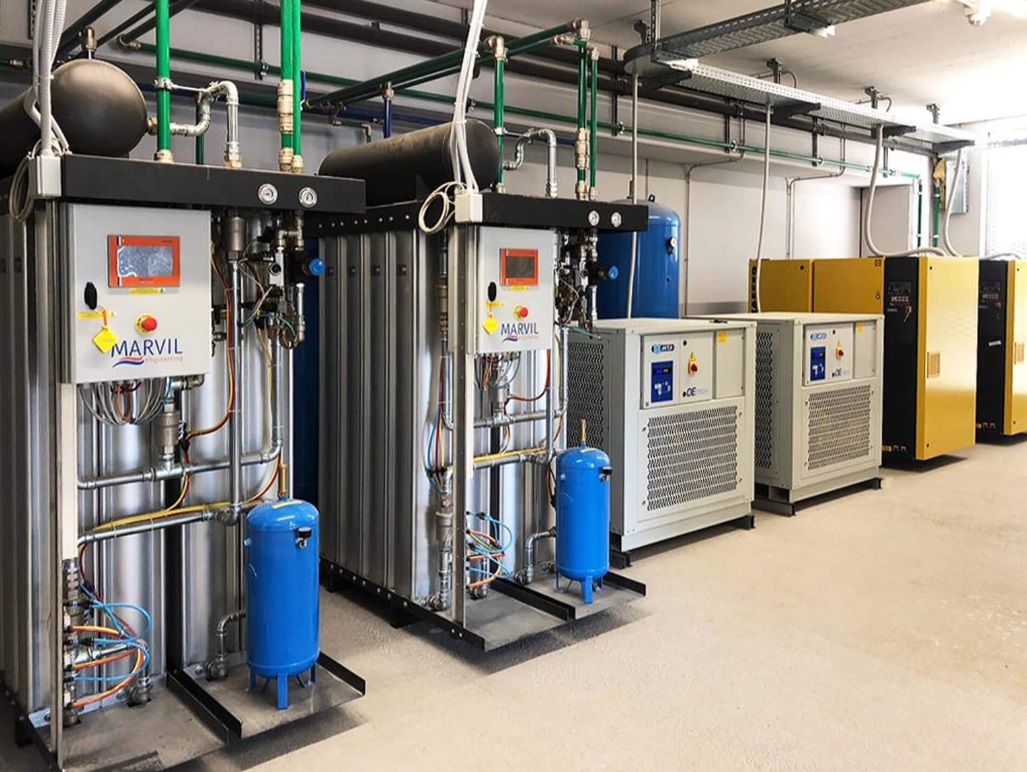
In addition to ripening rooms, the company works with complementary technologies for fruit and vegetable storage, such as nitrogen generators, CO₂ absorbers, ethylene converters, gas analyzers, automation systems, and dynamic controlled atmosphere solutions. These tools allow the working atmosphere to be adjusted to the needs of each product and commercial objective.
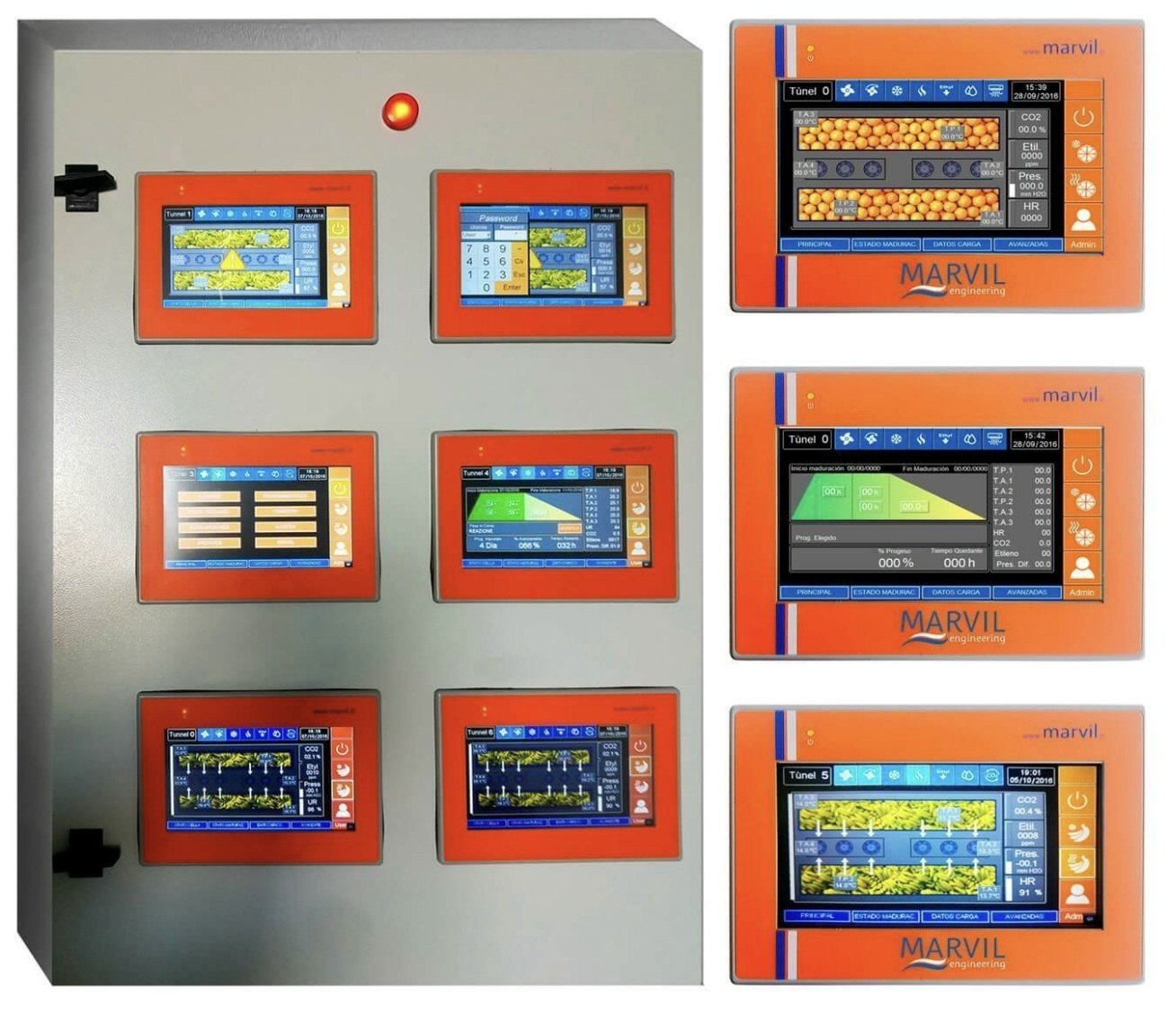
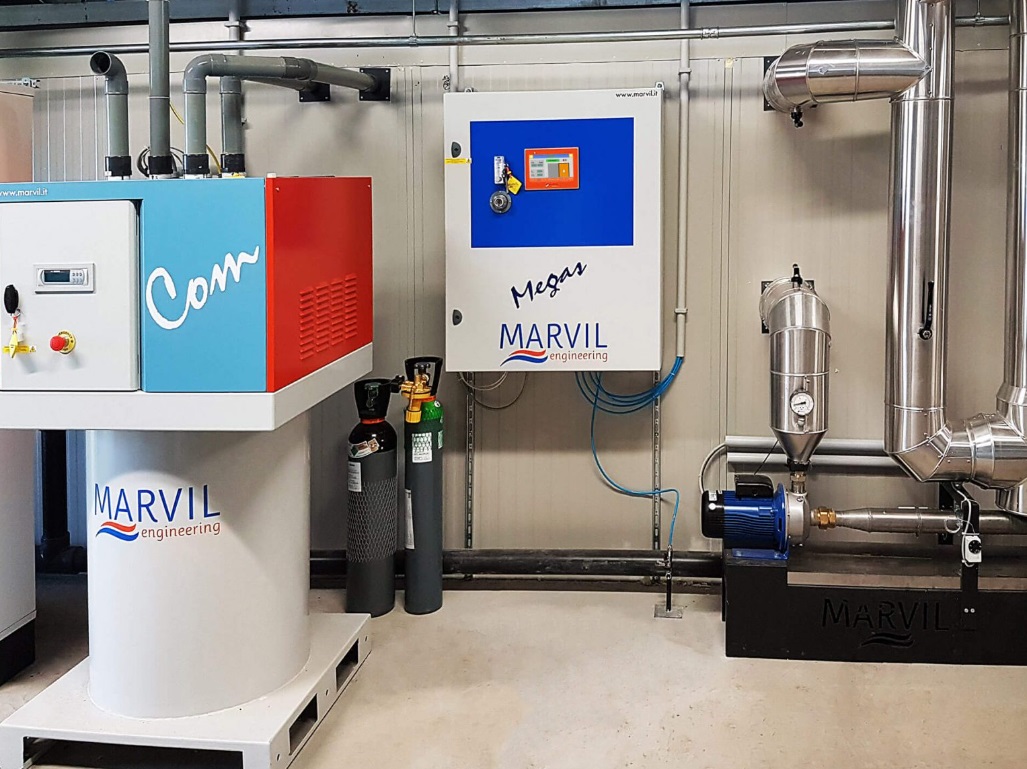
Marvil Engineering control interface for ripening chambers, with real-time monitoring of process parameters and chamber status.
Technology to reduce losses and improve planning
Controlled ripening responds not only to quality criteria but also to efficiency. A well-managed room allows product output to be scheduled, differences between batches to be reduced, and fruit to be offered with a more uniform condition to the commercial channel. In the case of tropical fruits, where ripeness for consumption is decisive for consumer acceptance, process control can make the difference between a properly valued product and a batch with quality problems.
The development of these technologies is also supported by research and testing activities. Marvil indicates that it dedicates resources to R&D in the preservation of perishable goods, especially fruit and vegetables, and has developed modular systems for experimentation with automatic computerized adjustment of storage conditions.
With this approach, the ripening of tropical fruits is moving towards more automated, traceable, and adaptable models, capable of combining gas control, remote management, and knowledge of the product's physiological behavior. For operators, ripeners, importers, and distributors, these solutions provide a tool to improve supply consistency and reduce losses in a critical phase of the postharvest chain.
News of Marvil Engineering