Measurements
Sensors and machine learning detect postharvest damage in apples
An experimental system combined dielectric signals and gas measurements to classify impact injuries, achieving 88.96% accuracy in testing
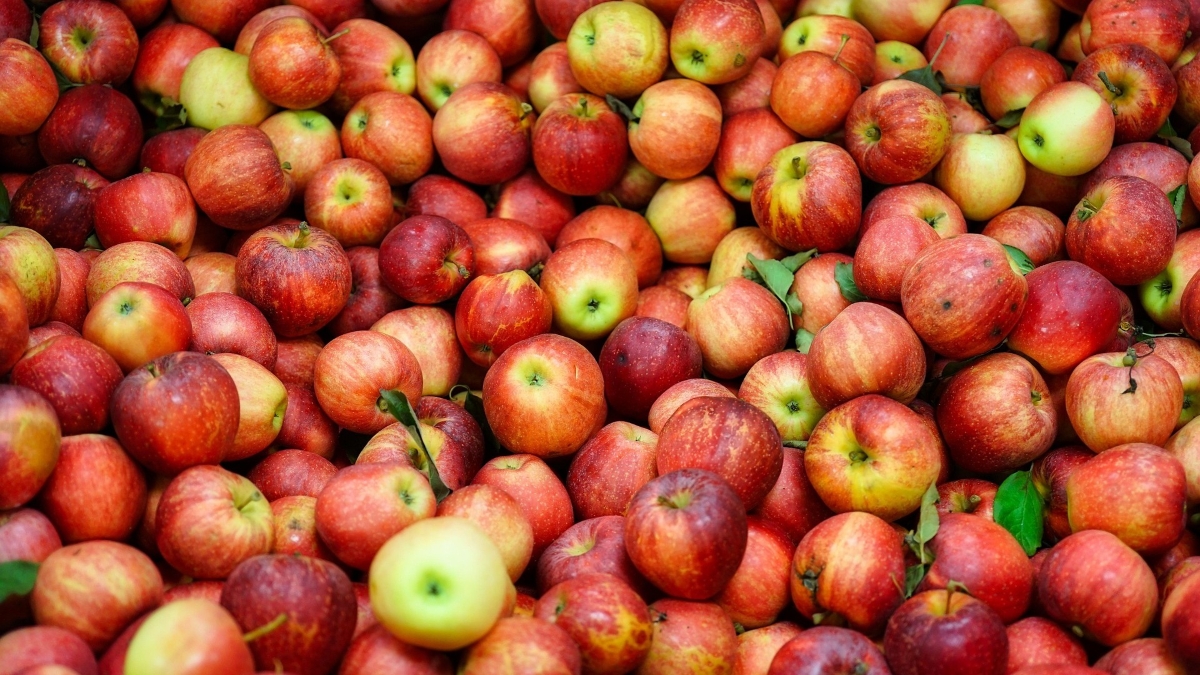
Impacts during harvesting, transport and handling can compromise apple quality and reduce commercial value. To improve damage detection, a study published in Food Control developed a nondestructive system combining data from multiple sensors with machine-learning models.
The research used Fuji apples to examine how different drop heights, ranging from 0 to 120 centimetres, affected fruit quality during seven days of storage. The researchers measured firmness, soluble solids, weight loss, colour, damaged area and sensory scores. They also recorded dielectric properties and storage-environment variables, including carbon dioxide (CO₂) and volatile organic compounds (VOCs).
Impacts reduce firmness and accelerate deterioration
The results showed that greater drop heights were associated with increased weight loss and reduced firmness. In fruit dropped from 120 centimetres, firmness decreased by 24.96% and weight loss reached 6.15%. The sensory score fell to 0.6, while the damaged area expanded sharply.
The sensors also detected changes associated with deterioration. At the maximum drop height, CO₂ concentration was 2.09 times that of the control group. Dielectric parameters also showed distinct responses according to damage severity, with particularly stable responses at a frequency of 100 kHz.
A model achieves nearly 89% accuracy
The team compared four machine-learning models: support vector machines (SVM), extreme learning machines (ELM), radial basis function (RBF) networks and a backpropagation neural network (BPNN). The BPNN delivered the best result, achieving 88.96% accuracy on the test set and a Kappa coefficient of 86.75%.
Combining physical signals with environmental data made it possible to classify impact damage without cutting or destroying the fruit. In addition, during a 48-day unattended operation test, the system achieved a 100% data-upload success rate.
The authors suggest that this approach could support the development of rapid, objective tools for damage assessment in postharvest operations. However, the reported accuracy reflects the experimental conditions of the study, and the system will need to be evaluated across other cultivars, environments and commercial operating speeds.
Source
Tang, T., Zhou, X., Li, Y., Wang, H., Gong, J., Wu, Y., He, Z., & Zhao, Y. (2026). Nondestructive perception of postharvest damage and storage deterioration analysis of apples based on multi-source sensing data and machine learning. Food Control. https://doi.org/10.1016/j.foodcont.2026.112671
.jpg)