News
MRI monitoring of ripening and fungal rot development in Hass avocados
MRI enables non-invasive monitoring of avocado maturity, ripening, and fungal decay. Lipid fraction accurately predicts maturity, while T2 detects early infection. Distinct fungal growth patterns were identified. MRI is a powerful tool for postharvest quality assessment
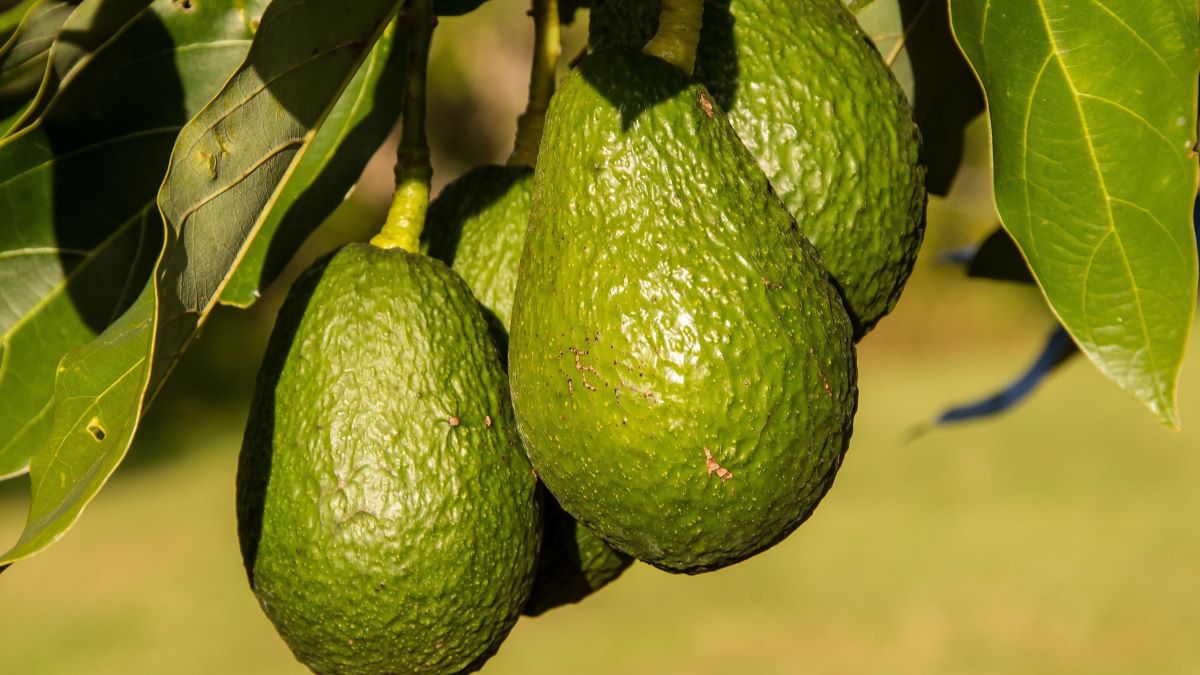
Maturity, ripening, and fungal decay are essential quality attributes in avocados, and their interaction strongly influences consumer acceptance, market value, and postharvest losses.
In this study, quantitative magnetic resonance imaging (MRI) was used as a non-invasive method to simultaneously evaluate these three internal characteristics. Healthy, artificially inoculated, and naturally infected “Hass” avocados were ripened under controlled conditions and scanned using a 1.5 T whole-body MRI system to obtain transverse relaxation time (T2) maps, lipid fraction maps, apparent micro-porosity maps, and vascular structure images. A linear relationship between lipid fraction and dry matter content showed a root mean squared error (RMSE) of 2.8%, demonstrating that MRI can accurately estimate fruit maturity.
However, parameters such as T2, micro-porosity, and lipid fraction were not effective in detecting changes in mesocarp firmness during ripening. In infected tissues, T2 values initially increased and later decreased, while apparent micro-porosity rose in advanced stages. Higher T2 values allowed the identification of lesion boundaries before visible pulp discoloration or structural damage occurred. Additionally, continuous MRI monitoring from unripe to overripe stages enabled tracking of fungal progression within individual fruits, revealing distinct patterns: stem-end rots progressed longitudinally along vascular tissues, whereas body rots expanded radially through the parenchyma.
These results highlight MRI as a powerful tool for postharvest quality assessment and for studying interactions between fruit and pathogens in avocados and other fleshy fruits.
Source
Matsui, T., Collewet, G., Koyama, K., & Musse, M. (2026). Spatio-temporal monitoring of maturation, ripening, and fungal rot development in “Hass” avocados using quantitative magnetic resonance imaging. Postharvest Biology and Technology