News
Packaging solutions to reduce postharvest losses in mango supply chains
Mango suffers high postharvest losses due to spoilage and handling damage. Conventional packaging is limited in preserving quality. Advanced technologies like antimicrobial and intelligent packaging improve shelf life. Sustainable solutions are key for future supply chains
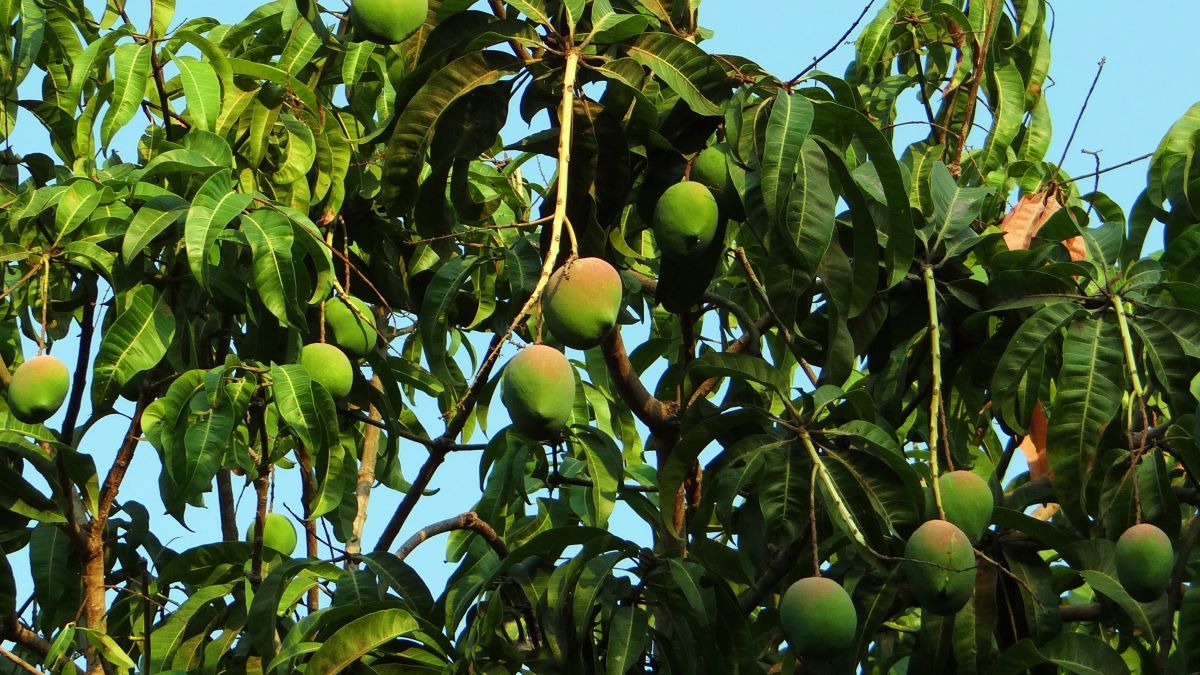
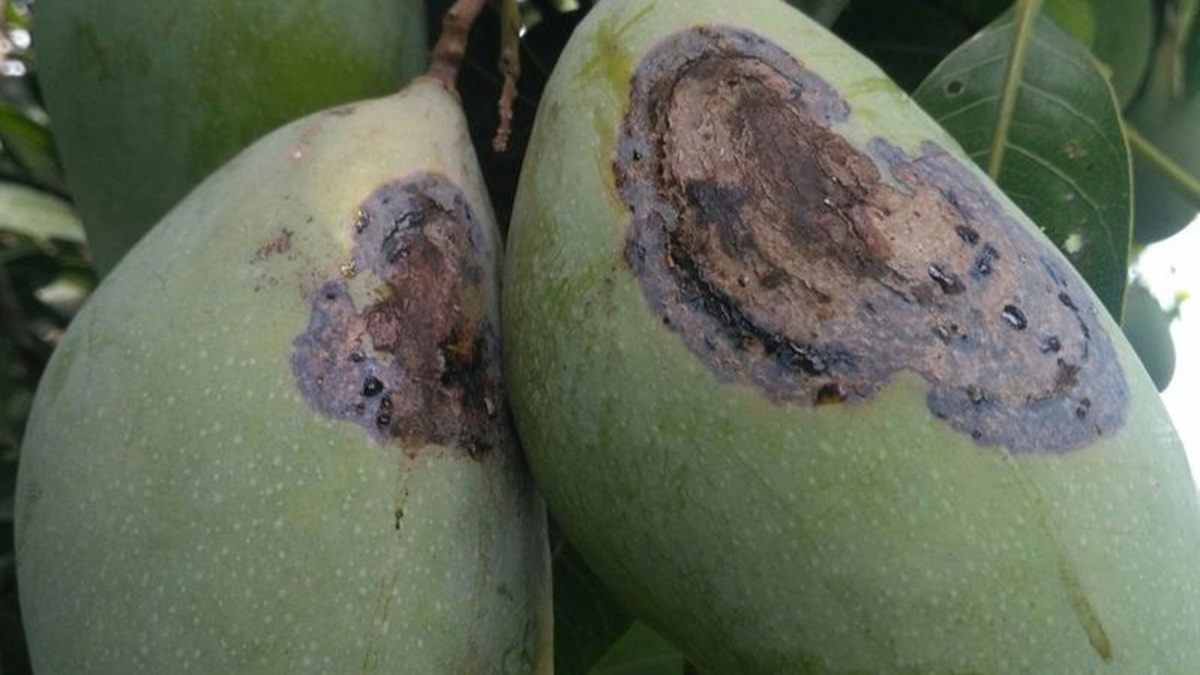
Mango (Mangifera indica L.) is one of the most economically important tropical fruits worldwide, yet it suffers from significant postharvest losses due to its highly perishable nature. These losses are mainly driven by high respiration rates, sensitivity to ethylene, microbial spoilage, and mechanical damage during handling and transportation.
This review examines the extent of postharvest losses in mango, their causes, and their economic impact across the supply chain. It highlights packaging as a key intervention point to reduce these losses. Conventional packaging methods show important limitations, particularly in controlling microbial growth and physical damage. In contrast, emerging packaging technologies, especially antimicrobial packaging, demonstrate strong potential to extend shelf life and preserve fruit quality.
Additional approaches such as modified atmosphere packaging, ethylene scavengers, and intelligent packaging systems are also evaluated as complementary strategies. The review further discusses the challenges associated with implementing advanced packaging solutions, including cost, regulatory requirements, and infrastructure limitations.
Finally, it outlines future directions focused on sustainable packaging, biodegradable materials, and the integration of digital monitoring systems to improve postharvest management and reduce losses in mango supply chains.
Source
Pawde, S. V., Kaewprachu, P., Kingwascharapong, P., Sai-Ut, S., Zhang, W., Jung, Y. H., & Rawdkuen, S. (2025). Addressing postharvest losses in mango: Current challenges and role of packaging-based solutions. Future Foods.