Packaging
Biodegradable active packaging pads help preserve strawberries and blackberries
The research evaluates packaging materials that release antioxidant and antifungal substances in vapour form, without coming into direct contact with the fruit. The tested formulations reduced weight and moisture loss and limited the development of Botrytis cinerea, particularly in blackberries
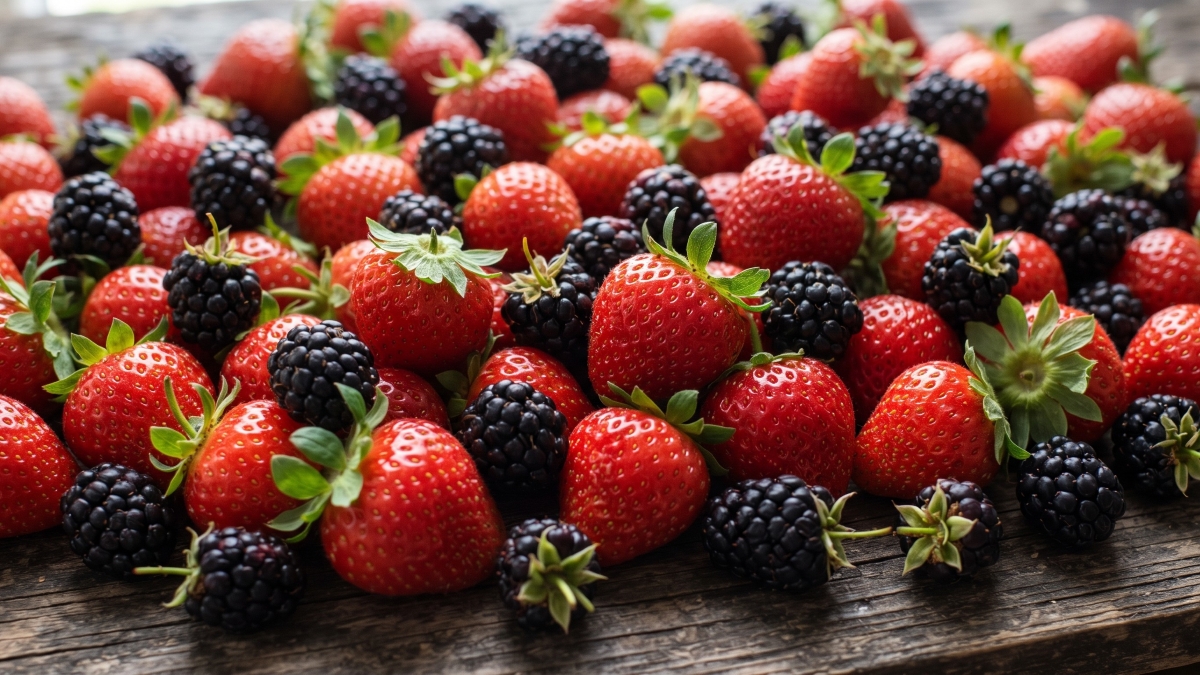
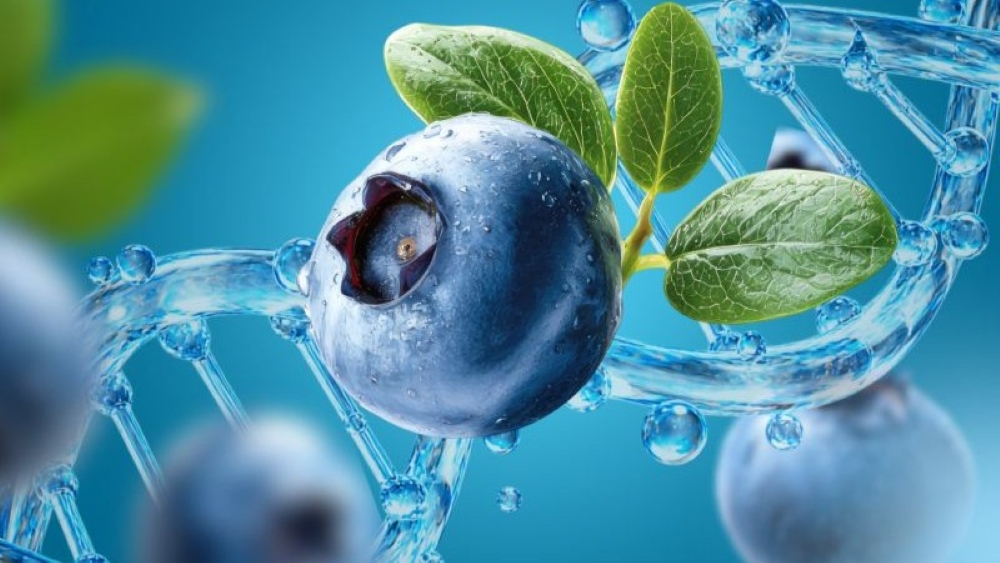
Biodegradable active packaging is emerging as an alternative for reducing postharvest losses in highly perishable fruits. A study published in Food Bioscience has developed starch-based pads containing Pluronic® F-127 nanoparticles loaded with Baccharis dracunculifolia essential oil or nerolidol. Both compounds were evaluated for their potential to protect fruit during storage.
The research tested these materials on strawberries and blackberries stored at 5 °C for ten days. The pads, designated PAD-EO —containing essential oil— and PAD-NE —containing nerolidol— were designed to release their active compounds in the vapour phase. This allows them to act inside the packaging without applying the substances directly to the fruit surface or causing mechanical damage through contact.
Both formulations showed significant antioxidant activity. In addition, tests using the model organism Caenorhabditis elegans detected no acute toxicity, while soil burial experiments confirmed that the materials underwent extensive biodegradation.
Reduced quality loss and protection against fungi
During refrigerated storage, the active pads helped reduce weight loss and preserve moisture content, texture, pH and colour stability in strawberries and blackberries compared with untreated samples.
One of the most notable findings was their effect against Botrytis cinerea, a fungus responsible for significant losses during the storage and marketing of red berries. The PAD-EO formulation completely prevented visible decay in blackberries and achieved the greatest reduction in disease severity in strawberries.
Although both formulations provided protective effects, the essential oil-based pad contained a higher amount of active compounds and delivered more consistent performance throughout the trials.
An alternative for postharvest packaging
The findings highlight the potential of these materials as active packaging systems that combine quality preservation, fungal spoilage control and biodegradability. Their vapour-phase release mechanism also avoids the need to apply substances directly to the fruit.
The authors point to the possibility of integrating these pads into packaging for red berries, although further research will be needed to assess their effectiveness under different storage conditions, across different varieties and at commercial scale. Their development represents a promising approach to reducing postharvest losses and moving towards packaging solutions with a lower environmental impact.
Source
Corrêa, A. N. R., D’avila, J. N., Augusti, P. R., & Brandelli, A. (2026). Biodegradable nanocomposite active pads for postharvest preservation of red berries. Food Bioscience. https://doi.org/10.1016/j.fbio.2026.110300