
Paclife
Packaging
Apple campaign 2026 focused on condition, destination and efficiency
The sector’s competitiveness relies on product quality, varietal planning, and packaging solutions that optimize performance in international markets
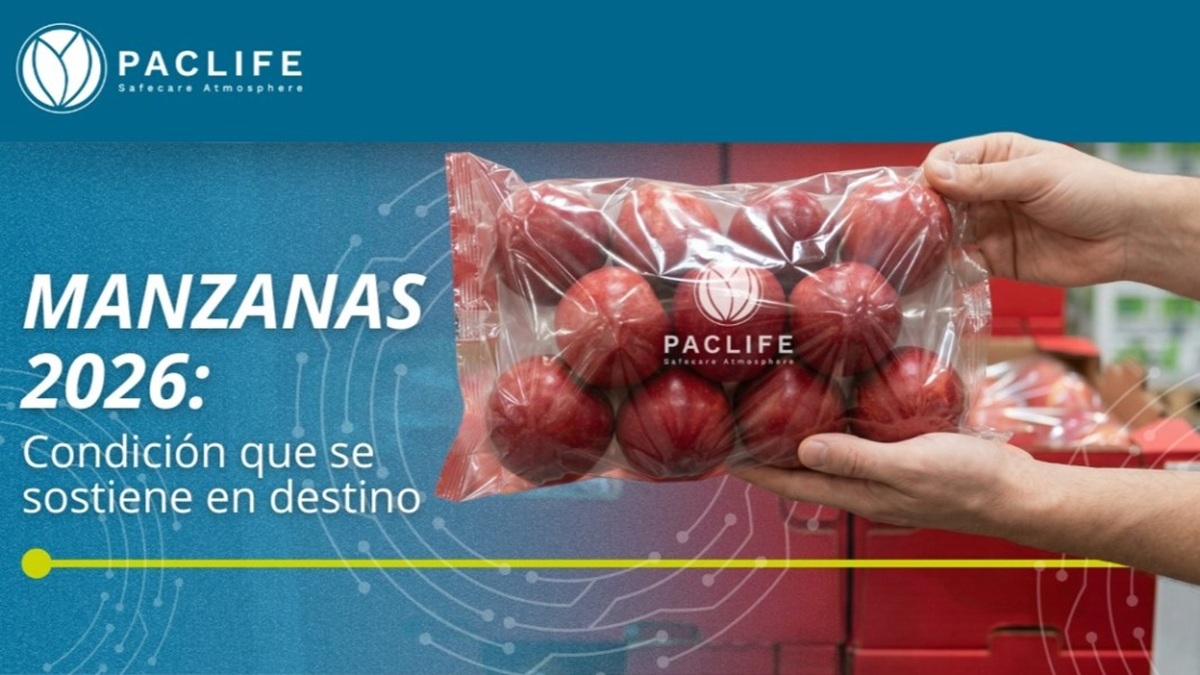
The 2026 apple campaign is expected to be defined by logistics efficiency, product quality, and performance at destination. In this context, Paclife, a company specialized in packaging solutions for fresh produce, highlights the key factors shaping the sector’s competitiveness.
The 2026 cycle of Chile’s main pome fruit is projected as a prolonged and diversified season, with a strong focus on quality and consistency for export markets. With an availability window extending from late January to November, national supply maintains its competitiveness across different global regions.
Apples remain one of the structural pillars of Chilean fruit production. In an increasingly demanding international market, where logistics efficiency and consistent quality are as important as volume, campaign performance depends not only on shipped tonnage but also on the ability to maintain condition, diversify destinations, and align supply precisely with commercial windows. This strategic requirement is closely linked to production origin and how supply is organized at orchard level.
Pome fruits are mainly grown in central and southern regions of Chile, where warm summers and cool nights favor fruit with good flavor, adequate coloration, and firmness. This production environment, combined with improved varietal planning and coordinated commercial management, allows for a continuous and competitive supply throughout the year.
Beyond harvest
From an operational perspective, the varietal calendar plays a decisive role in structuring the season. It is not only about harvest timing, but also about how this sequence impacts the entire supply chain. The campaign begins in February with early varieties such as Royal Gala and progresses with Granny Smith, Pink Lady, and Fuji. This structure prevents excessive harvest concentration and facilitates shipment planning according to market requirements.
At the same time, it enables more efficient use of cold storage and transport infrastructure, optimizing packing and dispatch processes.
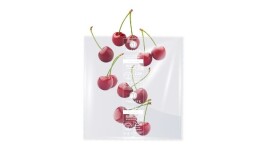
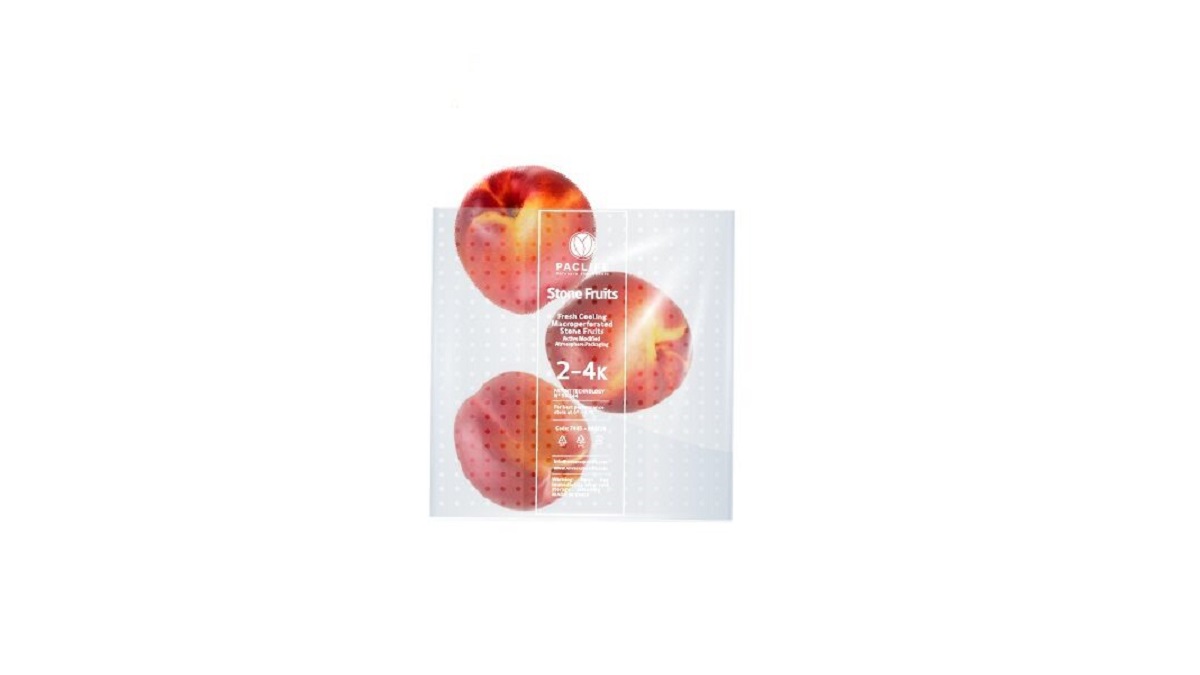
In this context, during 2026 specialized packaging solutions have strengthened their role within the value chain. Solutions developed by PacLife for fresh fruit exports help protect product integrity, improve traceability, and optimize handling, becoming a technical component in export performance.
These systems are designed to preserve firmness and mitigate impacts throughout the logistics chain, particularly during long-distance shipments where fruit remains in transit for several days. The choice of packaging format directly influences quality at destination, loss reduction, and the importer’s commercial perception.
In addition, the diversity of formats and materials allows packaging to be tailored to specific customer, destination, and distribution channel requirements. This adaptability, combined with technical knowledge of the product and commercial calendar, becomes a differentiating factor for Chilean exports.
Outlook and challenges
At the end of the previous season, exports showed moderate growth in volume and a reconfiguration of destination markets, with increases toward Europe and the Middle East, along with the consolidation of traditional markets in Latin America.
For the 2026 campaign, the strategy focuses on deepening this diversification, maintaining consistent standards, and leveraging logistics and packaging tools that add value.
However, key challenges remain. The industry continues to prioritize cold chain optimization, timely availability of packaging solutions during peak demand periods, and consistency in product condition and presentation.
Coordination between production, postharvest handling, and packaging technology will be essential to sustain the competitiveness of pome fruits in international markets.
Source: Paclife
Paclife