
Paclife
Packaging
Atmospheric stability and arrival condition in long-distance fruit shipments
Technical monitoring during transit allows validation of packaging performance under real conditions and helps optimize arrival quality

In fruit export operations, the journey does not begin when the fruit leaves the packing facility nor end when it reaches the destination market. Between those two points lies a critical stage for commercial results: transit. During this phase, atmospheric stability inside the packaging and the ability to maintain balanced physiological condition become a direct extension of the technical development carried out weeks or even months earlier.
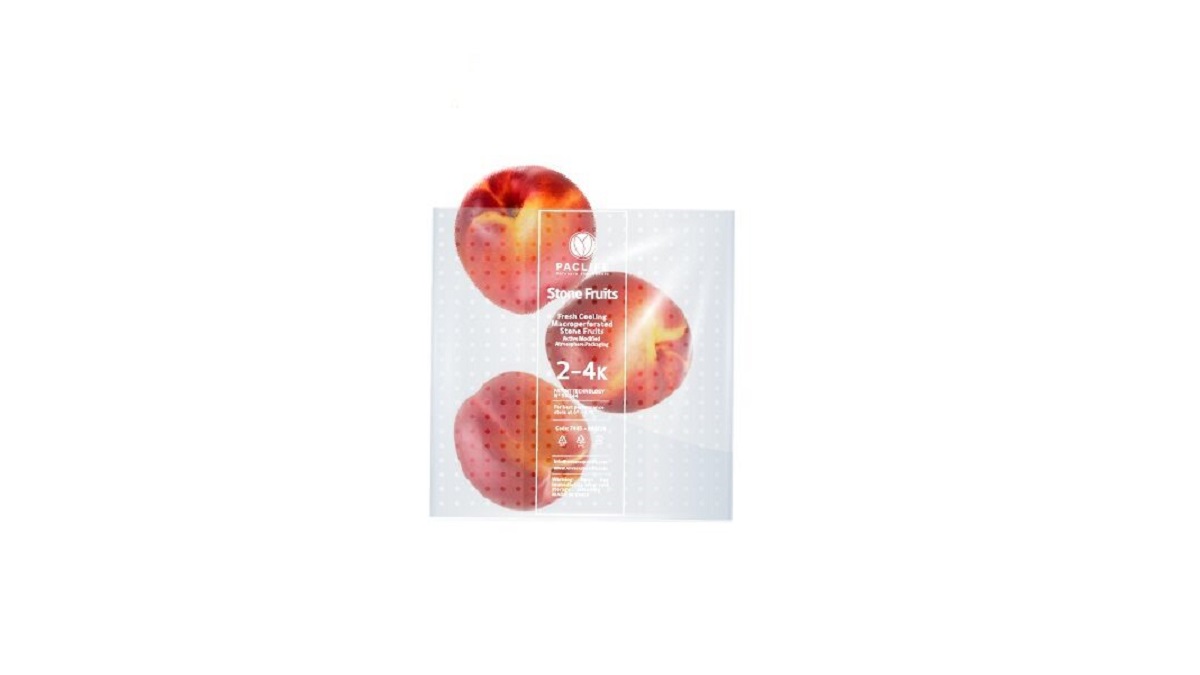
According to Paclife, packaging development does not end with material selection or final configuration. Technical parameters such as permeability, ventilation level, sealing type, thickness and behavior against water vapor and gases determine how fruit will respond to temperature fluctuations, extended transit periods and logistical deviations in export routes that may exceed 30 or even 45 days. In this context, in-transit monitoring makes it possible to validate whether that engineering performs as intended under real-world conditions rather than only in controlled scenarios.
Atmospheric stability during transit
During the journey, fruit continues to respire and regulate its water balance. Small fluctuations in temperature or atmospheric composition can alter respiration rates, accelerate reserve consumption or increase weight loss.
Variations in dehydration below 1% can already affect firmness and commercial appearance, while greater deviations increase the likelihood of physiological disorders and value loss at destination. When packaging fails to balance gas exchange and moisture retention, these physiological responses translate into visible deterioration. For this reason, internal atmospheric stability becomes as critical as the cold chain itself.
Technical monitoring during transit enables assessment of this behavior beyond final visual perception. Measurements of weight, firmness and external and internal condition at arrival provide data that feed back into the development of future solutions. The objective is not only to confirm that fruit arrived in acceptable condition, but to understand which variables influenced the outcome and how adjustments in ventilation, permeability or sealing can optimize future performance.
Data that becomes decisions
In long transit routes with narrow commercial windows, packaging plays an active role in preserving quality. Paclife indicates that materials with controlled water vapor permeability, such as polyethylene- or polypropylene-based structures, have shown weight losses below 1% in cherries and between 0.0% and 0.1% in blueberries in campaign evaluations, demonstrating their role in maintaining condition stability.
Maintaining high relative humidity without generating excessive condensation, together with gas exchange aligned with product physiology, helps preserve firmness, gloss and structure through to the point of sale. This performance is confirmed or adjusted through technical monitoring. Destination evaluation closes the cycle by transforming information into operational decisions. Comparing results across varieties, markets and logistical conditions generates cumulative learning that can be applied in the following season. Each shipment provides evidence on physiological behavior and material response, consolidating packaging as a dynamic tool for continuous improvement.
This process is strengthened through real-time reports available via the Paclife customer app, providing immediate access to performance data and enabling more agile decisions during transit and upon arrival. From a production perspective, maintaining arrival condition not only protects commercial value but also reduces losses, reprocessing and discards. In supply chains where margins depend on stability and consistency, properly designed packaging contributes to ensuring that the effort invested from orchard to logistics results in marketable fruit available for consumption.
In-transit monitoring is not an isolated stage, but the final validation of prior technical development. It is the point where material engineering, product physiology and logistical reality converge, confirming whether the quality built at packing can be sustained throughout the journey.
Source: Paclife


Paclife