
Paclife
Packaging
Destination delays reinforce the role of packaging in exported fruit preservation
Post-arrival delays can accelerate quality loss and are redefining the role of packaging in postharvest management

For years, the focus in fruit export logistics has been mainly placed on transportation and cold chain management. However, the industry is now paying increasing attention to a less visible but increasingly critical stage: the waiting time at destination after fruit arrival.
Once containers are opened, fruit may remain for hours or even days in distribution centers, intermediate cold rooms or storage areas where conditions are no longer as stable as during transit. Even when the product arrives in good condition, this period can accelerate physiological processes that directly affect its commercial quality.
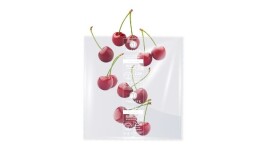
Fruit continues to respire and react to small changes in temperature, ventilation and humidity. As a result, water loss increases, CO₂ accumulates and dehydration symptoms begin to appear in highly sensitive structures such as cherry stems or grape rachis.
Packaging takes on a greater role in postharvest management
Industry specialists point out that deterioration is not always caused by failures at origin, but rather by the lack of stability during these waiting stages. Even small moisture losses can reduce firmness, freshness and shelf life.
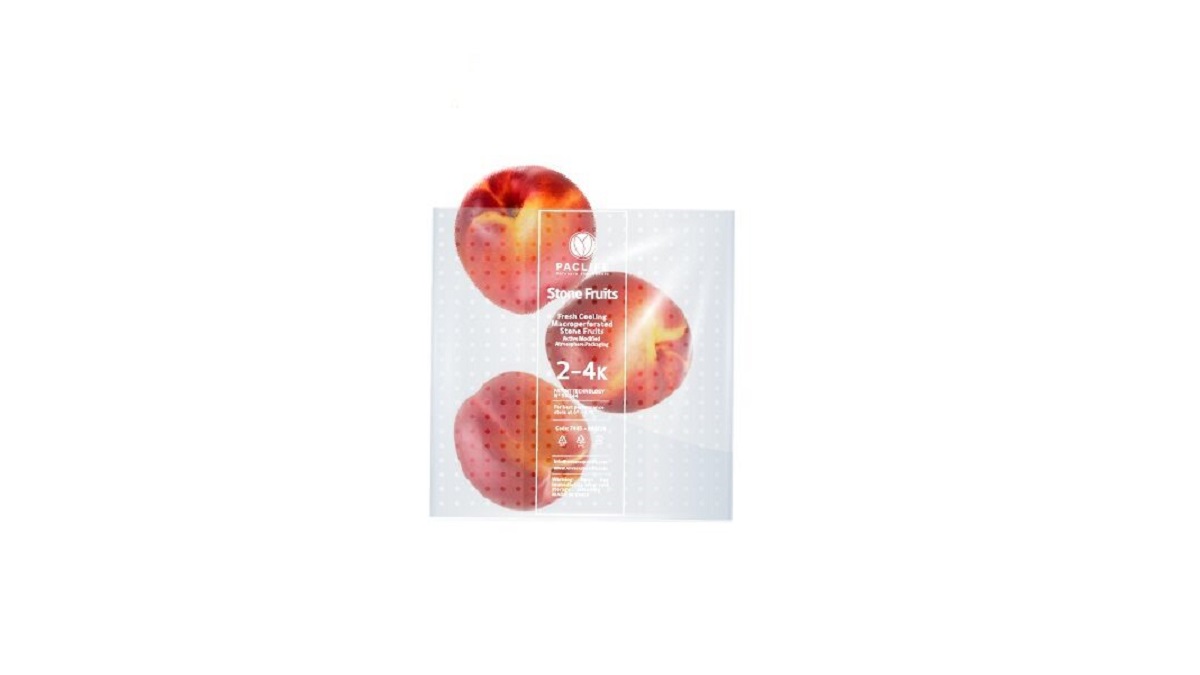
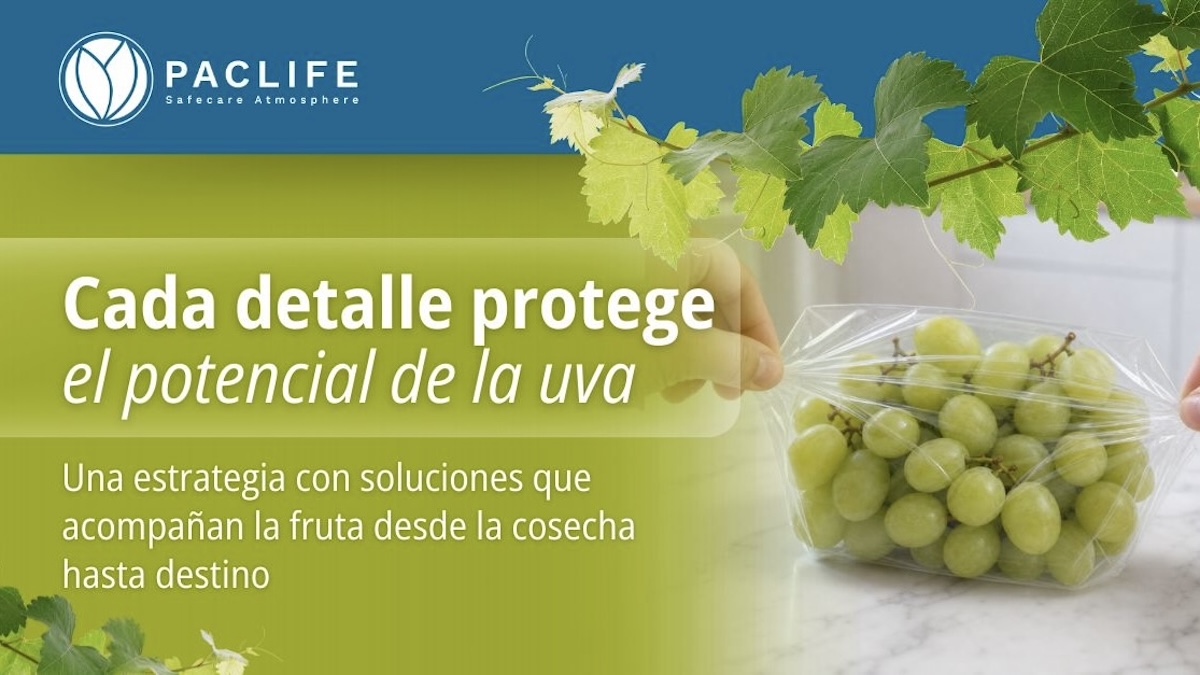
In this context, packaging is beginning to play a more active role in postharvest preservation. Some solutions incorporate selective permeability materials capable of regulating gas exchange and maintaining high levels of relative humidity inside the package.
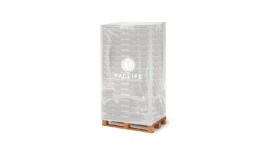
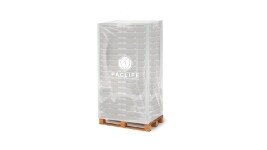
In addition, the use of harvest covers and systems designed to minimize dehydration helps maintain greater stability from the field to the final destination.
According to experts, the goal is no longer simply to protect fruit during transport, but to maintain a “continuity of condition” that reduces the impact of logistical interruptions and preserves commercial quality throughout the supply chain.
Source: Paclife

Paclife